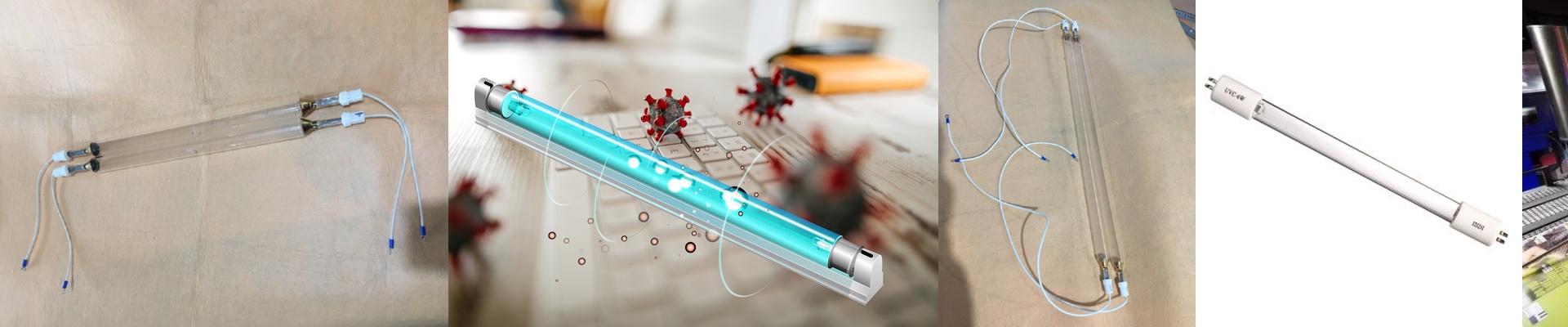


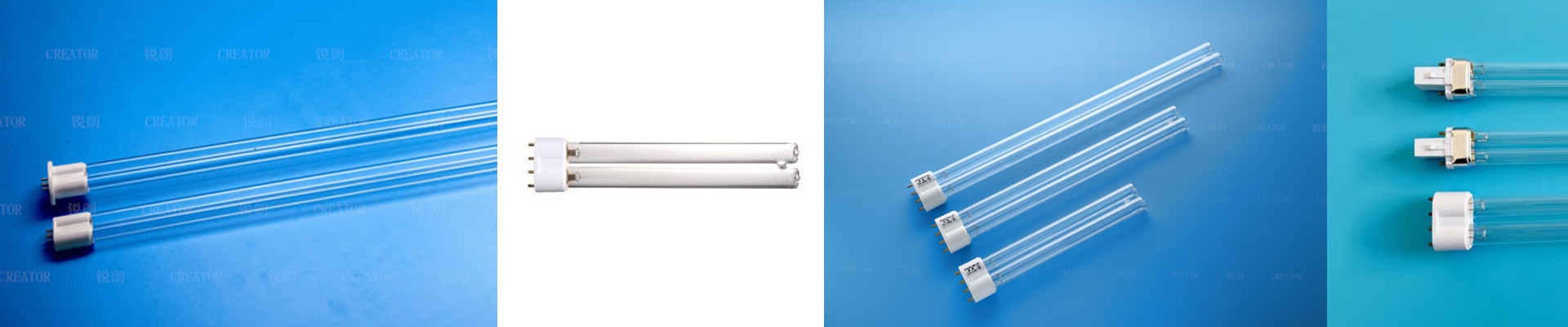
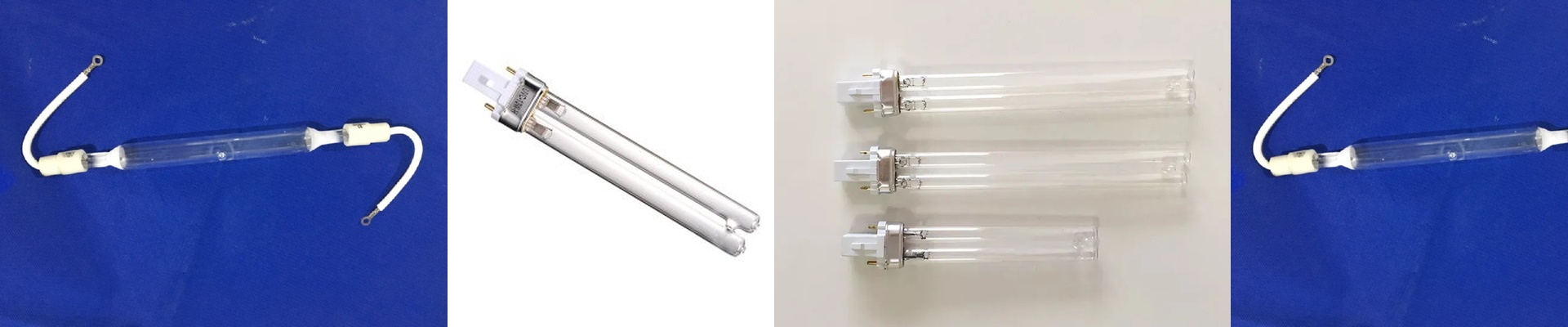
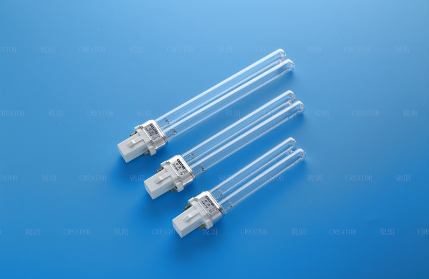
Getting Your UV Curing and Sterilization Right
UV tech basically does two things: it either rips apart molecular bonds to kill germs (UVC) or kicks off a chemical reaction to harden a coating (curing). When we build these lamps, it’s all about hitting a specific target. If your curing line is leaving you with a soft, tacky finish, or if your sterilization tunnel has “dead zones” where nothing is getting cleaned, you don’t have a mystery on your hands. It’s almost always down to the light spectrum or where the lamp is sitting. The power struggle It comes down to wattage per centimeter. If you want your line moving fast, you need intensity. We calibrate our tubes so the peak wavelength hits the photoinitiator exactly where it needs to. Here’s a common mistake: running a lamp at a lower voltage than it was built for. You’ll still feel the heat, but you won’t get the cure. You’re basically just wasting electricity to make a heater. Quartz and the heat problem We use high-purity fused quartz because standard glass is basically a wall that blocks UV rays. Quartz lets the light through. Sometimes we even “dope” the quartz to shift the spectrum. This is a lifesaver when you need the base layer to bond tight without scorching the surface. But let’s be real—these things get hot. Like, really hot. If you don’t get your cooling fans or water-jackets right, the electrodes will degrade. Once that happens, your tubes burn out way faster than they should. Making it actually work in your shop We make our connectors “drop-in.” Whether you’re using R7s or specialized pins, the fit has to be snug. A loose connection creates an arc, and an arc is a great way to kill your ballast. At the end of the day, we’re focusing on the raw physics: stable current, the right wavelength, and pure quartz. Our gear holds its own against the big global brands. If the results don’t match the top-market benchmarks at the same price point, we’ll give you your money back. Simple as that. We trust the hardware.