

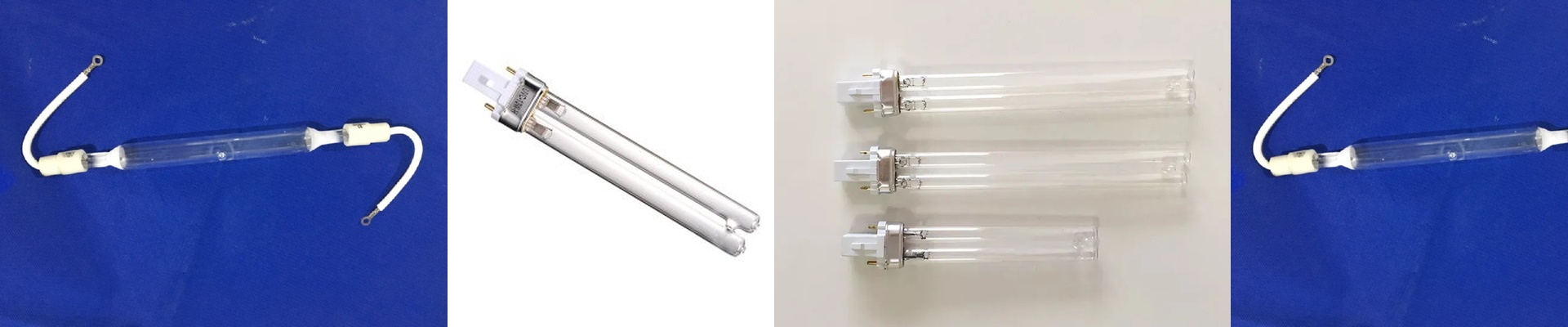
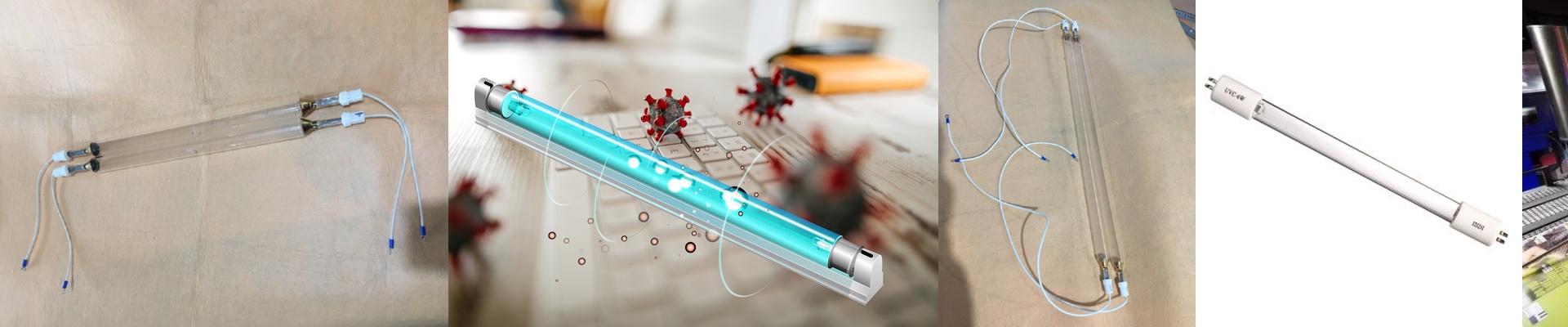
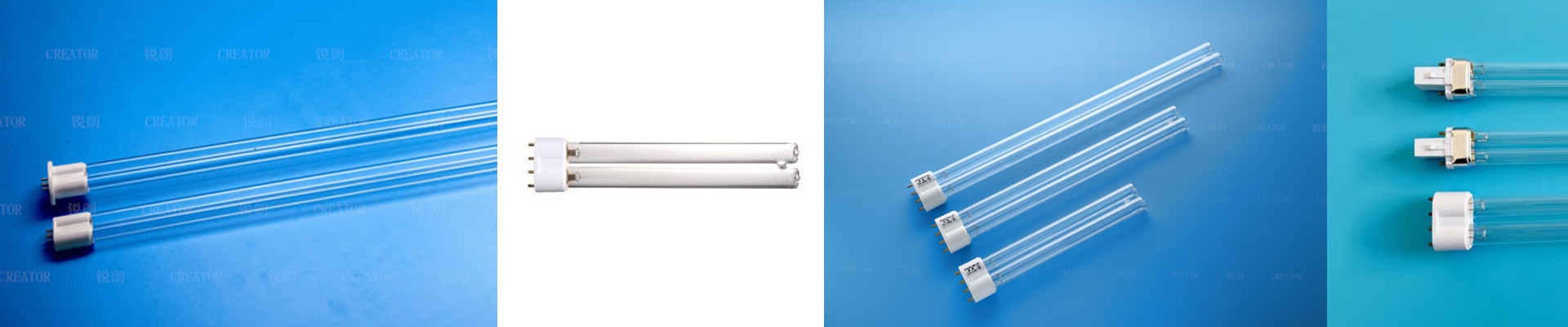
On the floor, heat alone doesn’t cut it. You can’t hit microbial load without risking warp, shrink, or coating issues, especially on thin films and heat-sensitive substrates. The real question is control: delivering the right photon energy where it matters. That’s why we built the 254nm UV sterilization lamp—tight, repeatable spectral control, focused on germicidal action instead of broad-spectrum overkill. What matters under the hood This lamp runs a monochromatic peak at 254nm, right where DNA and RNA absorb. Microbes go down via photodimerization, not thermal stress. The build uses ozone-free quartz and a high-purity mercury vapor fill, so spectral output stays stable across duty cycles. The reflector stack has a dichroic coating to push forward irradiance and keep backside heating in check. Peak irradiance is specified at the work plane, so you can calculate dose in mJ/cm² and run it through validation. Why it fits printing and packaging lines In our world, mold, bacteria, and spores hang around on surfaces, survive ambient handling, and come back to haunt finished rolls. Drop this lamp into the line and you get in-line disinfection without throttling throughput. Spoilage drops, fewer lots get held for microbial testing, and you get consistent reduction that isn’t at the mercy of ambient temperature. Energy use is lower than broad-spectrum thermal systems, and the substrate stays cool—dimensions and coatings stay intact. Field notes to keep it running right You need a ballast matched to the lamp’s arc length and electrical profile, and the fixture has to move enough air to hold junction temperature steady. UVC means interlocks and shielding—never run it without proper safety enclosures. Verify output with a calibrated radiometer at the intended working distance; reflector alignment and lamp age both shift delivered dose. Replace lamps on a schedule so your dose stays inside validated limits.