
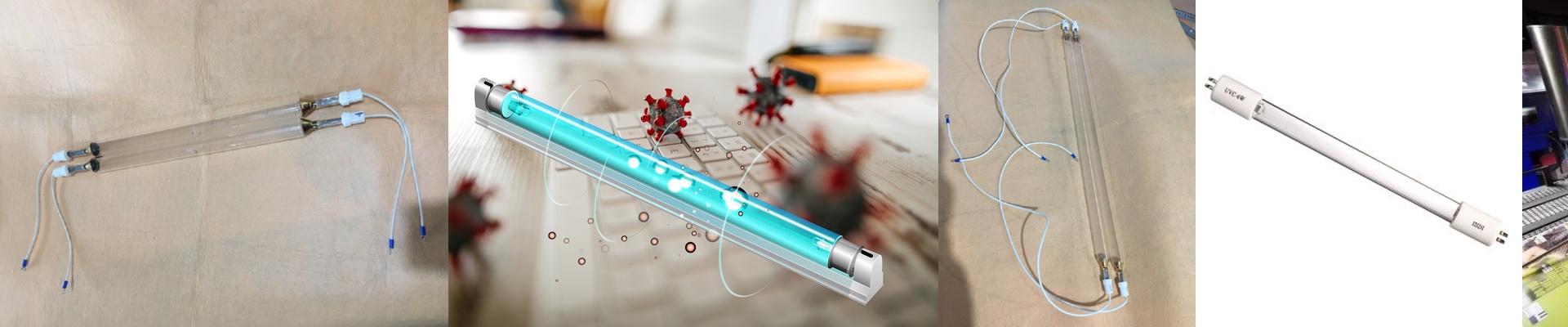
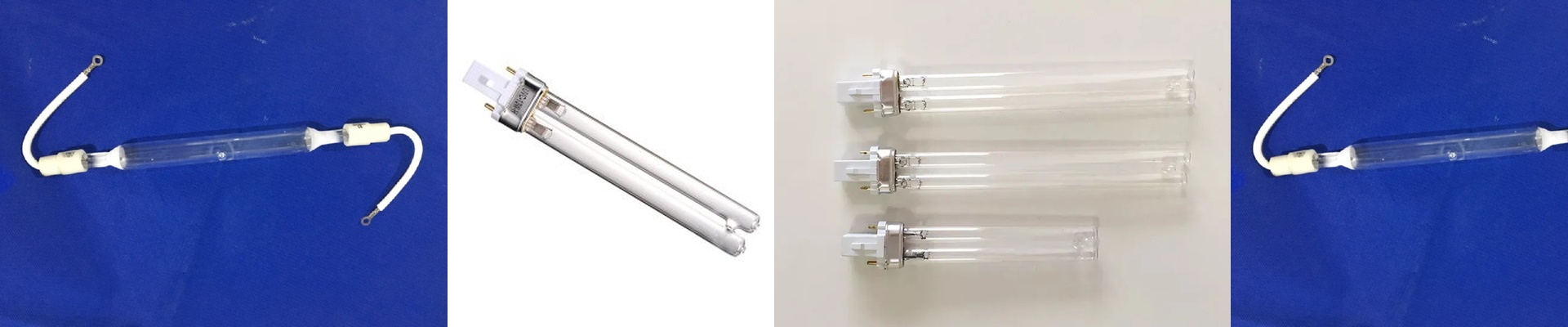
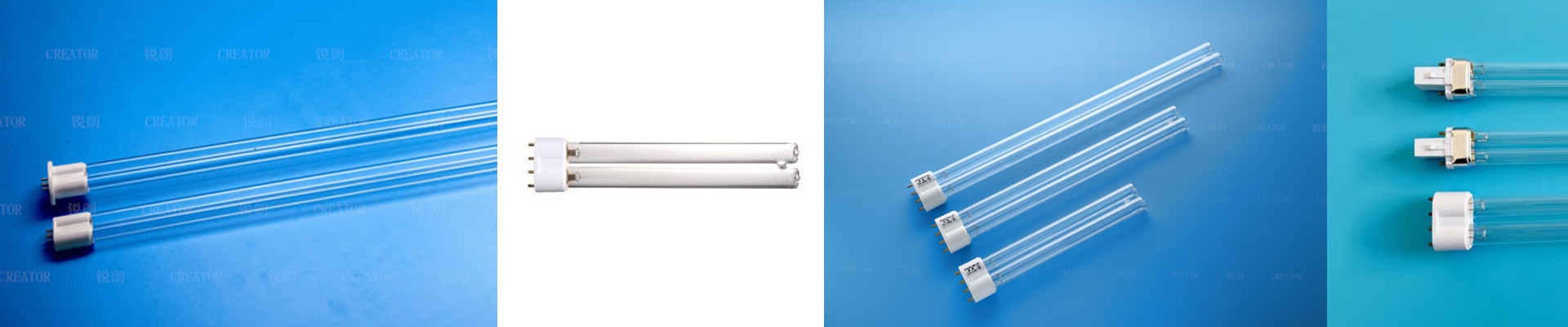

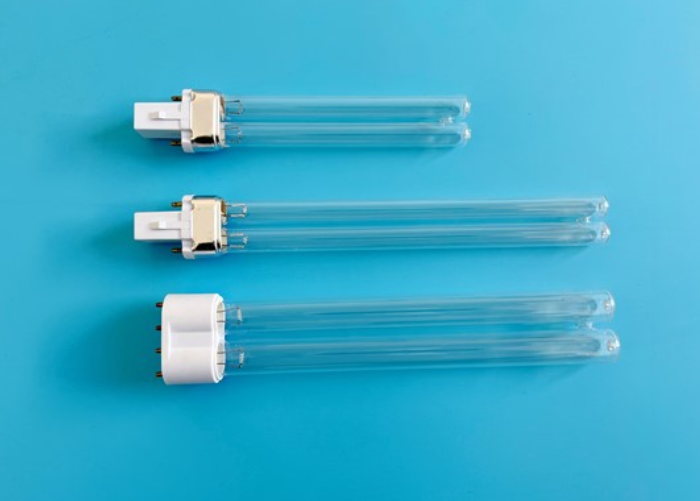
On the packaging line, cartons, labels, and protective coatings have to make it through cross-country shipping without delaminating, scuffing, or shifting. When UV curing falls short, you don’t find out until later—rejected pallets, reprints, and claims. We built our UV curing lamp for that reality: solid spectral output, repeatable energy delivery, and uptime that keeps the press moving.
What matters, technically
We run a high-pressure mercury vapor lamp with a stable 365nm peak, matched to the photoinitiators most packaging inks and coatings rely on. The reflector uses a dichroic coating to shape the spectral energy and keep peak irradiance high across the substrate. In practice, that translates to faster cross-linking and less residual tack. Arc stability is engineered to hold output within tight tolerance, so cure density doesn’t drift from job to job. Lamp life is rated to 5,000+ hours, and we control output degradation so you’re not chasing weak cures toward the end of a run.
Why it holds up in real production
Cross-border logistics demands repeatable adhesion and surface hardness. This lamp delivers the energy density needed to lock in print-to-substrate bonds and protective overcoats, which cuts down scuffing and edge chipping—the kinds of damage that trigger claims. Stable curing also means less rework and scrap, quicker changeovers, and lower per-unit energy use. Fewer lamp swaps translate to less downtime—especially when your schedule is built around just-in-time shipments.
The details that keep it honest
Match the lamp to your system: verify reflector geometry, aperture, and the cure window for your ink film thickness and line speed. Keep operating temperature and cooling within spec; overheating shortens lamp life and throws off spectral output. For ozone control, go ozone-free or use proper extraction—either way, plan airflow early so the lamp performs on your floor the way it’s rated on paper.