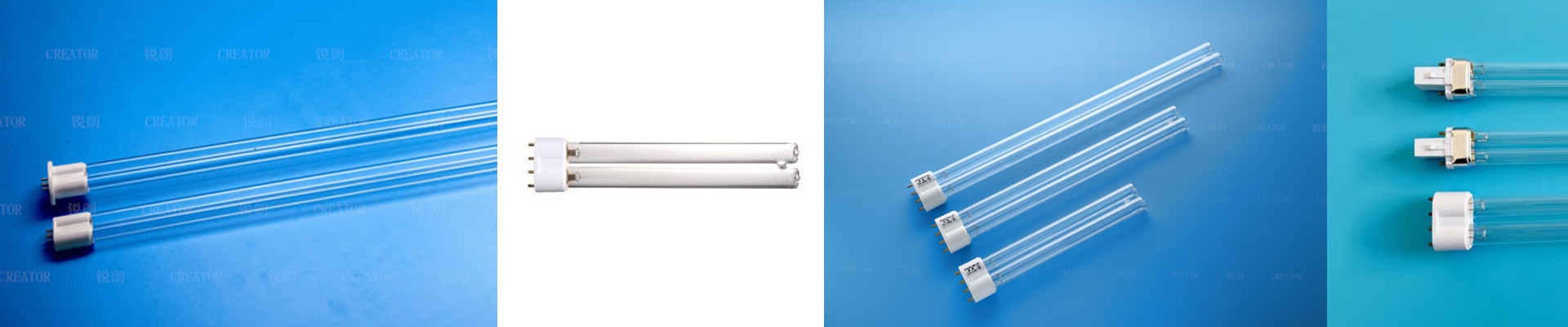

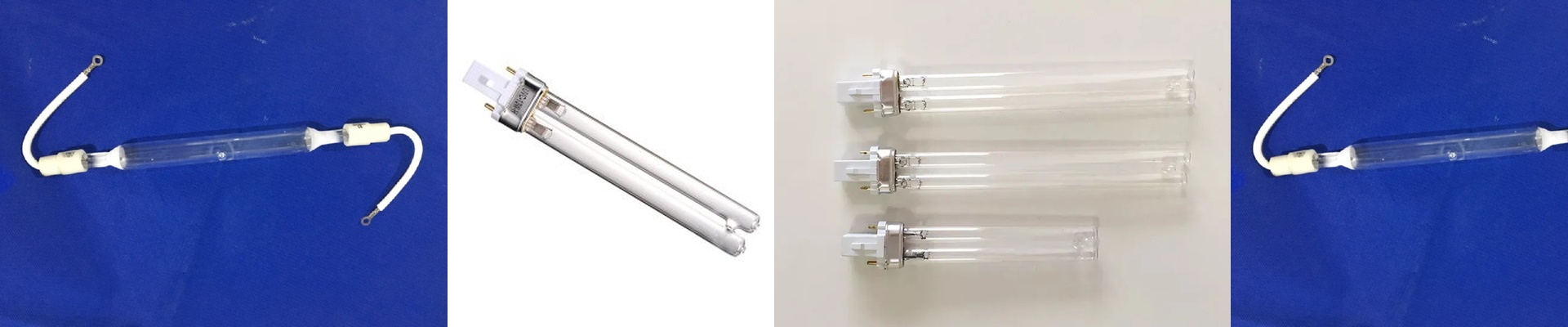

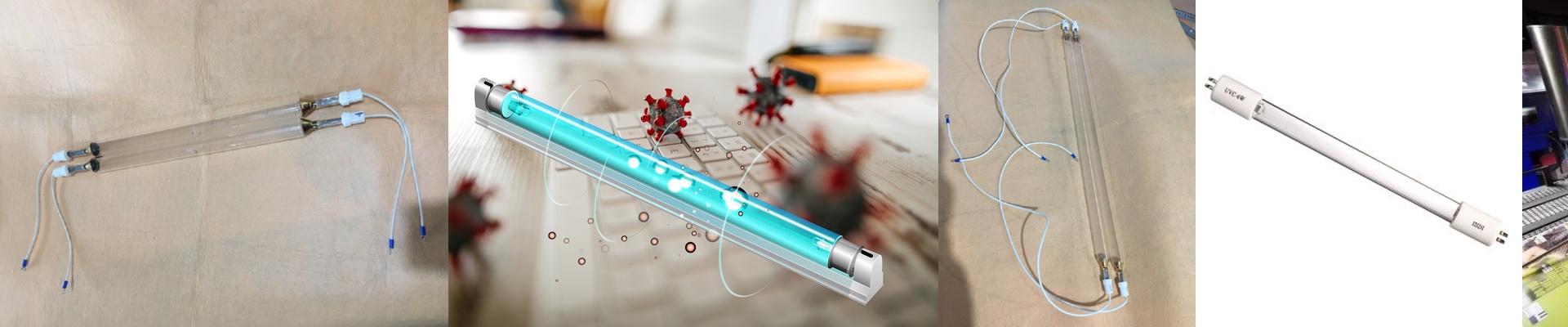
On a credit card line, every minute spent swapping lamps and every dip in UV output is scrap, rework, and labor you can’t afford. The fastest way to cut unit cost is a UV curing lamp built to run long and hold its spectrum. Here’s what matters under the hood. We start with a high-pressure mercury vapor source, tuned for stable output centered at 365 nm, with solid strength in the 385–405 nm range. That’s what the photoinitiators in UV offset, flexo, and screen inks are looking for. We keep peak irradiance at the substrate above 1.8 W/cm², so we hit 600–1000 mJ/cm² on thin layers without cooking the PVC/PET laminate. A dichroic-coated reflector and an ozone-free quartz envelope keep the heat in the UV band and steady the arc. The payoff is consistent cross-linking across the card, fine text and raised print included, with no residual tack. Why does this hold up on the floor? Long lamp life means fewer change-outs. We’ve seen units run 5,000+ hours with under 5% output drop, which keeps cure windows stable and kills the micro-fluctuations that bite you with adhesion loss or yellowing. Low decay means dose repeatability you can bank on. You hold tighter color and gloss without backing off the press speed. Fewer lamps bought, fewer spares on the shelf, less downtime. And yes, energy per card drops. The reflector system and stable output let you shorten dwell at the same line speed. A few practical notes. Get the lamp aligned to the specified focal distance, and match the printer’s shutter interface and power supply. Double-check arc length, end fittings, and whether you’re on water-cooling or forced air. Do that, and you avoid hot spots and premature aging. **Reflector maintenance matters more than most people think.**Dust and ink mist cut reflectance, and that shifts effective dose faster than the lamp itself. Schedule inspections and cleaning, and stick to them.