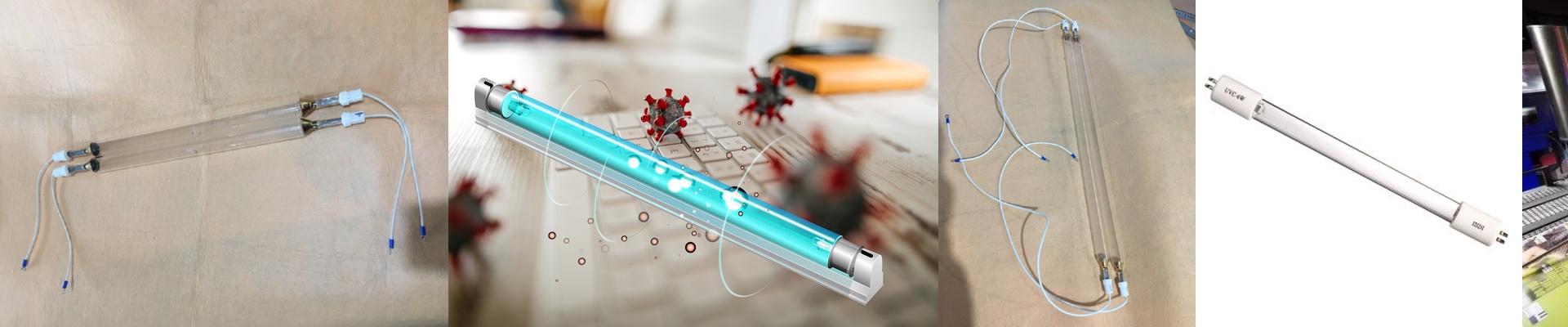
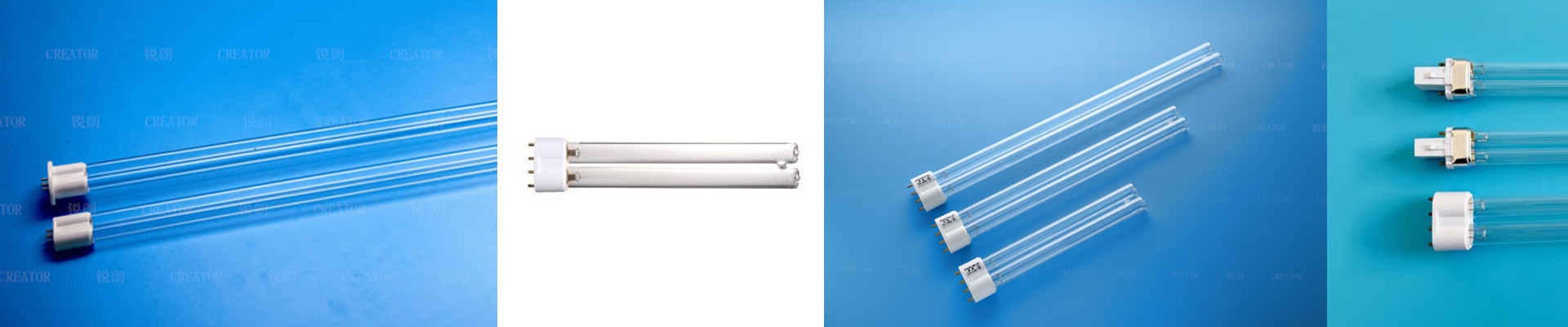
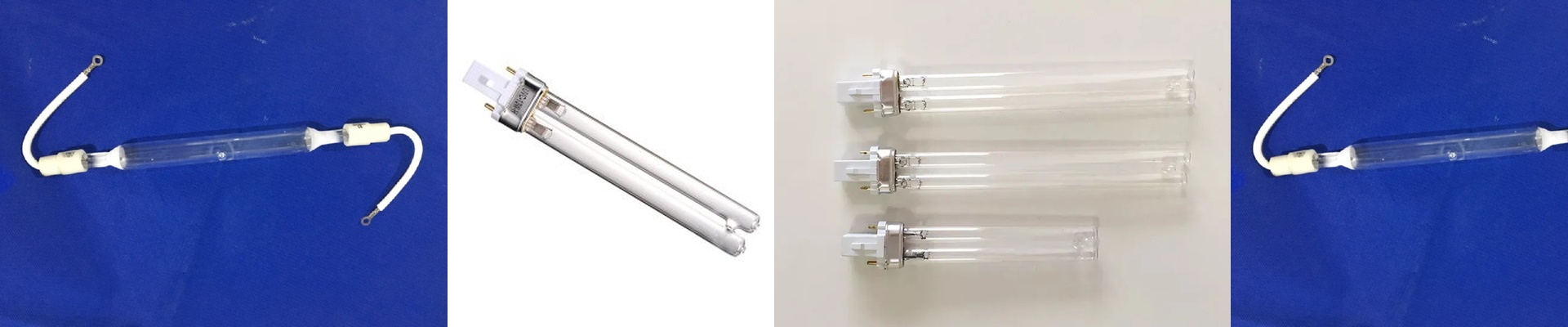


The press is running, the pile is climbing, and the energy meter is climbing with it. On a sheet-fed UV offset or narrow-web flexo line, that mercury UV curing unit is usually the biggest electrical load on the floor. Cure is not negotiable. You can run the press as fast as you want, but if the ink surface stays tacky, the job is scrap. Still, with disciplined mercury lamp maintenance and the right energy-optimized lamp system, you can cut electricity costs by around 20% without giving up cure. The trick isn’t to “power down.” It’s a repeatable, measurable approach: keep peak irradiance high, hold spectral output steady, and stop wasting joules on misaligned reflectors or a dirty quartz envelope.
What actually matters: spectrum, irradiance, and lamp condition
A mercury UV lamp is, plain and simple, a spectral engine. In industrial curing, the bands that really drive photoinitiator cross-linking are centered around 365 nm and 385–395 nm. You also get short-wave UVC that helps surface cure, but it accelerates quartz devitrification and ozone formation. Energy density at the substrate—measured in mJ/cm²—comes down to peak irradiance (mW/cm²) times exposure time. If irradiance falls off, you either slow the line or crank the lamp to make up for it. Either way, you pay for it. A well-kept mercury lamp holds output steady across most of its life. In the shop, we watch three practical indicators:
- **Spectral stability.**The key wavelengths need to stay within a tight window compared to the baseline. Drop 10% at 365 nm, and cure starts to drift unless you raise power or back off speed.
- Peak irradiance consistency.Reflector alignment, reflectivity, and lamp position shape the delivered intensity profile. A healthy arc is only half the story—misaligned reflectors throw energy away.
- **Lamp life and the degradation curve.**Mercury vapor pressure and electrode erosion dictate output over time. Run at the rated power density and within spec, and the curve stays flatter longer. Energy-optimized mercury lamp systems cut wasted joules by improving electrical-to-UV conversion efficiency and by balancing the spectrum. The goal is more output in the curing bands, and less lost to IR and visible light.
How you save 20% on electricity without sacrificing cure
You save energy when the curing system delivers the required mJ/cm² at the lowest practical input power—without rework, without constant lamp changes, and without slowing the press. Two savings compound on the floor: 1) Operational savings from stable irradiance. When the lamp and reflector package deliver consistent peak irradiance, you stop chasing cure by bumping power or dropping speed. That stability drops kWh per impression. On a 24/7 run, a few points of steady output—paired with reflector upkeep and the right lamp size—can clear that 20% energy target. 2) Maintenance-driven savings from longer, cleaner runs. A properly maintained lamp—run within its rated power density, kept clean, and matched to a reflector that holds reflectivity—delivers more curing joules per watt over time. Fewer lamp swaps mean less downtime and fewer start-up sheets, both of which carry hidden energy costs. A repeatable maintenance routine is the backbone:
- **Clean the quartz tube on schedule.**Ink mist, paper dust, and ozone by-products coat the envelope. Even a thin film drops transmission. Wipe it down with a lint-free cloth and isopropyl alcohol, and you restore throughput.
- **Verify reflector condition and geometry.**Reflectors lose reflectivity at UV wavelengths as they age. A dulled or oxidized reflector can cut delivered irradiance more than an aging lamp. Inspect for hazing, pitting, and discoloration, then re-align the focal line to the substrate.
- **Confirm lamp operating points.**Run the lamp at its rated power density. Under-driving can drop output and drag out warm-up; over-driving accelerates electrode wear and shortens life, pushing costs the wrong way.
- **Check shutter cycles.**Every open/close is thermal shock. Excessive cycling drives end-blackening and micro-cracks. Use the shutter only when you have to.
- **Use ozone-free configurations where it makes sense.**Ozone-free lamps and airflow designs cut ozone generation, which reduces lamp fouling and keeps the curing chamber cleaner. Less fouling means fewer cleanings and more stable output. The outcome is predictable: the same cure energy, lower power draw, and fewer unplanned stops.
What to compare: stability, life, and real cost
When you compare mercury UV lamp systems, wattage alone doesn’t tell the story. The meaningful metrics are delivered stability, service life, and cost per cured impression.
- **Output stability over life.**A maintained mercury lamp should hold output within a narrow band for most of its run. We track irradiance at the substrate plane with a spectral radiometer at 365 nm and 395 nm. Systems that keep the curve flatter deliver consistent cure without chasing power.
- **Lifetime under real cycling.**Electrode wear and thermal cycling dominate lamp life. Proper ignition voltage, controlled shutter use, and stable power extend life. In practice, disciplined maintenance can push lamps past 5,000 hours while keeping output degradation in check.
- **Total cost of ownership.**Energy is one line item. Lamp replacements, labor, downtime, and scrap are others. A stable, energy-efficient lamp cuts kWh, stretches replacement intervals, and reduces scrap from cure variability. Over a lot of press runs, the lowest-cost result is the system that wastes the least energy per cured sheet and keeps the lamp-and-reflector package in spec the longest.
The constraints that matter in the real world
Energy savings are real, but they come with constraints you have to plan around.
- **Machine compatibility matters.**The lamp has to match the curing module: length, arc gap, end fittings, reflector geometry, shutter interface, and power supply. A mismatch gives you poor focus, wasted energy, and premature failure.
- **Substrate and ink chemistry set the spectral needs.**Pigmented inks and thick laydowns often need deeper penetration and lean more on 365 nm output. Clear overprint varnishes can cure well with strong output in the 385–395 nm region. Match the spectrum to the photoinitiator profile, or cure becomes a gamble.
- **Power density has a ceiling.**Pushing a lamp beyond its rated power density increases electrode erosion, accelerates output decay, and can damage the reflector coating. Energy “savings” from overdriving don’t last.
- **Thermal management is non-negotiable.**Adequate airflow and proper heat extraction keep the lamp at the correct operating temperature. Overheating cuts efficiency and shortens life. Under-cooling can make the arc unstable. If you’re changing lamps or reflectors, treat it as a system change. Document the baseline spectral output and irradiance profile, log press speed and cure threshold, then re-measure after installation. The numbers will tell you whether the energy reduction is real, or just a line on a slide. On the floor, it comes down to the basics: keep the lamp clean, keep the reflector reflective, keep the power in spec, and keep everything aligned. Do that, and the energy meter comes down while the stack keeps coming out dry.