

Introduction
When you’re picking out a UV lamp for your industrial gear, you’re not just grabbing a bulb off the shelf. You’re adding a piece of a bigger system—one that has to get the job done, day after day. We build our lamps to take that kind of pressure. They keep cranking out consistent power for disinfection and curing, no matter what. And that reliability? It all comes down to the smart choices we make in the design.
Power and Physical Specs: The Real-World Details
Let’s get into the guts of it. The Specs tell you what the lamp can really do. Most setups run on 220V or 400V, with power ranging from 150W to a hefty 2500W. The length of the tube, anywhere from 300mm to 1500mm, is what determines your coverage area. Now, here’s the thing: a 2500W, 1500mm lamp throws off a serious amount of heat. You need to make sure your cooling system can handle that extra warmth. It’s a necessary trade-off for the intense UV-C output, but it’s something your equipment has to be ready for.
What’s Inside Matters
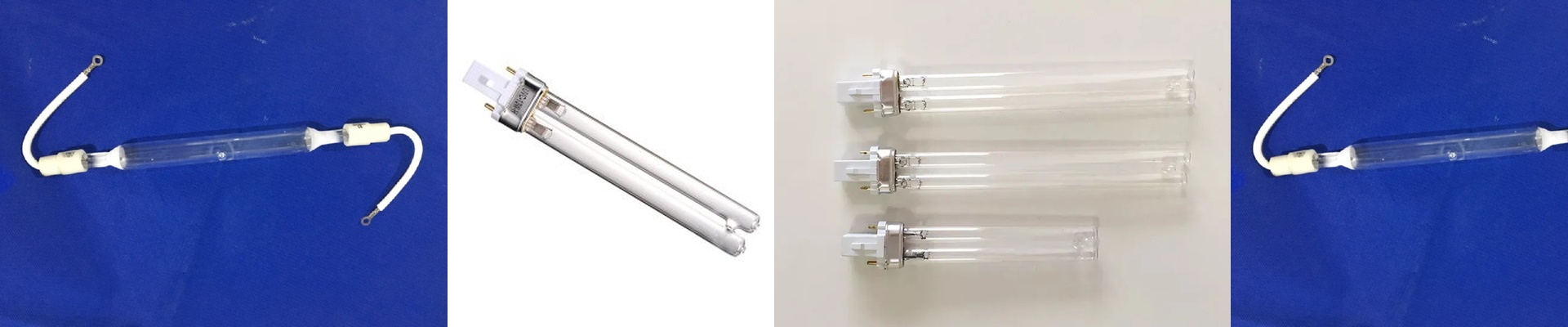
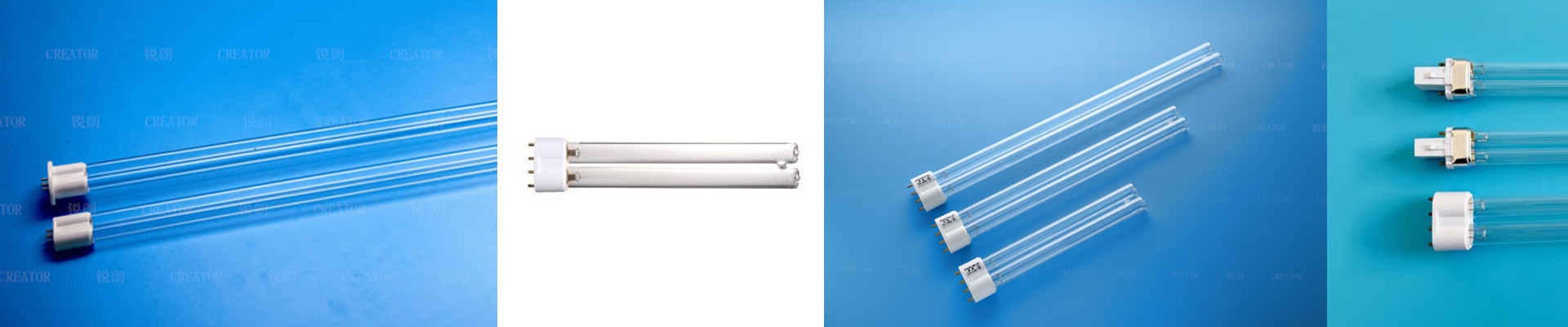
The difference between a lamp you can trust and one that just burns out is all in the engineering. We use high-purity quartz glass for the tube. It lets the UV light through like a champ and can handle the shock of being switched on and off quickly. The coating inside is designed to keep that UV-C output steady over the life of the lamp. And the connectors? We go with industrial-grade options like R7s or Sk15. They’re built to handle the high current without sparking, and they make installation a snap—no tools needed.
Built for the Plant Floor
In a place like a printing line, time is money. Downtime is the enemy. That’s why our lamps are designed to be simple drop-in replacements. You get back to work fast. The high-intensity output means you’re disinfecting or curing in a flash, which keeps your production moving. But there’s a trade-off. That powerful UV-C and the heat that comes with it mean the lamp housing and parts nearby have to be tough enough for high temps. We design for the reality of the plant floor—where things get rough, and the equipment has to keep on running.
How to Pick the Right One: A Practical Checklist
Choosing the right UV lamp isn’t a guessing game. It’s about knowing what you need. Here’s the checklist we use with our partners to get it right. ***Match the voltage.**Check your system’s voltage—220V or 400V. Get it wrong, and you’ll fry the lamp and risk the ballast. ***Size the power.**Figure out the wattage you need based on the area and your cycle time. For heavy-duty lines, a 2500W unit for a 1500mm span is standard. ***Check the fit.**Measure your socket and make sure the connector type (R7s, Sk15, etc.) is a match. It has to be a direct fit. ***Know your environment.**What’s the ambient temperature? How’s the airflow? High-power lamps get seriously hot, so your machine’s cooling has to be up for the challenge. ***Confirm the job.**Need to kill germs? That’s shortwave UV. Curing something? That’s longwave. The job itself decides the wavelength and coating. When you go through these steps, you end up with a lamp that’s a true fit for your process—not just for the socket.