

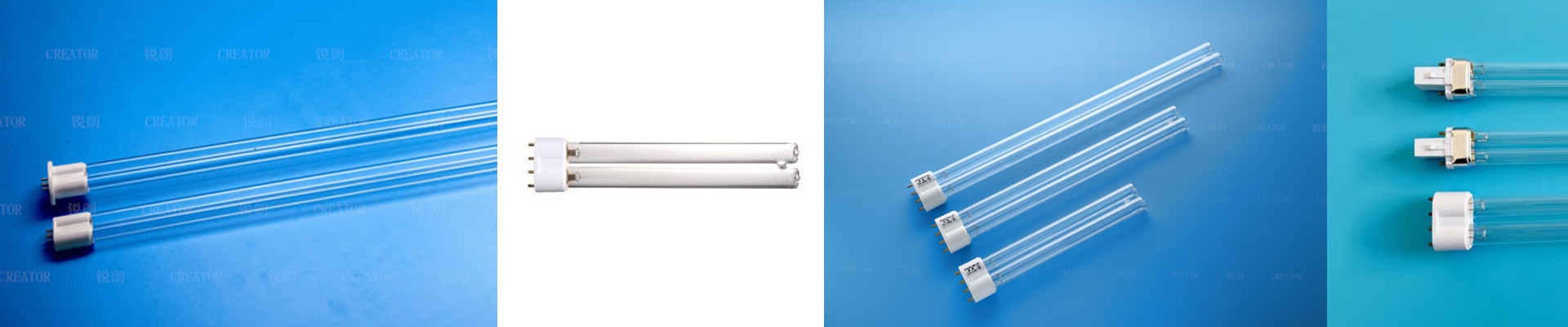
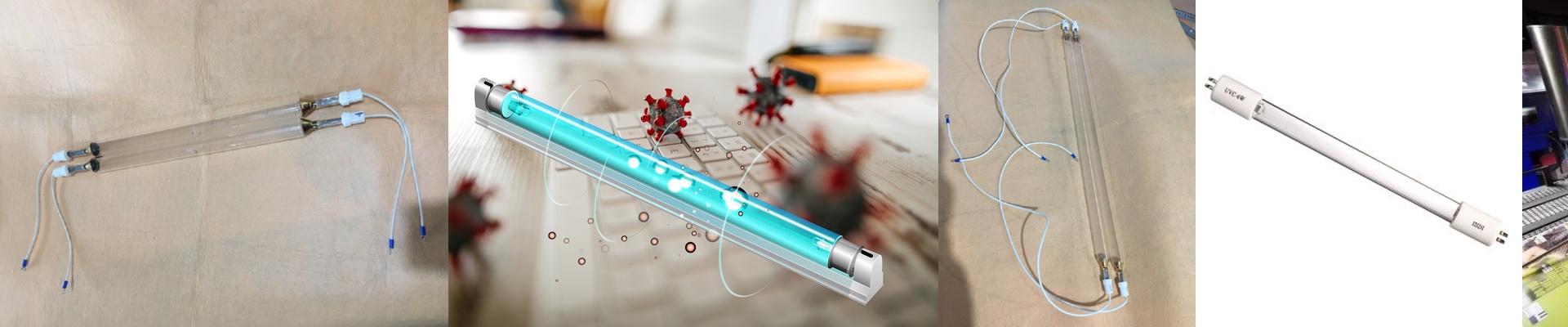
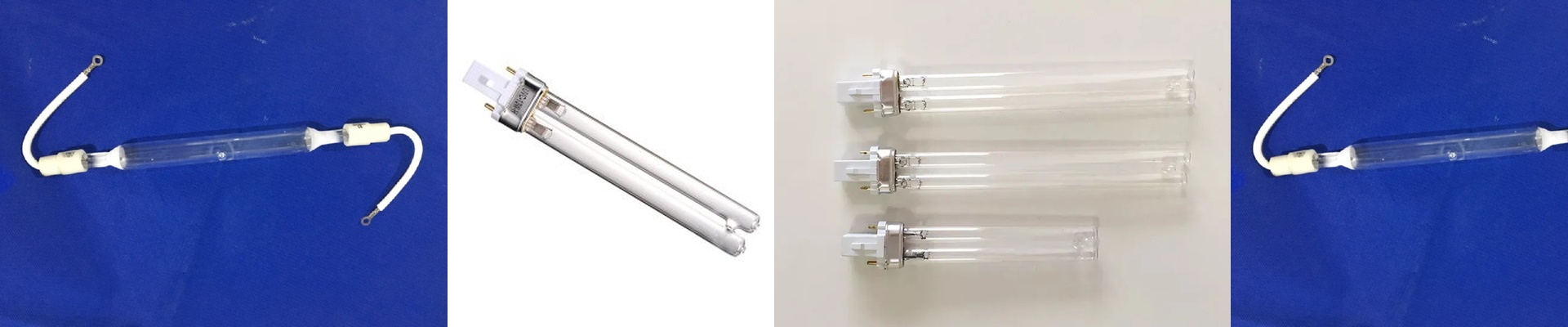
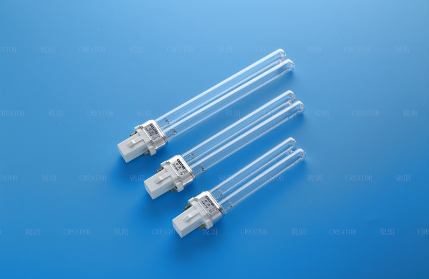
When you’re making pet products, the real promise is safety—and that promise is written right into the specs. This isn’t just about adding a component. The safety-grade UVC sterilization lamp is the backbone of a disinfection process you can actually prove. We build it to deliver a consistent kill rate, so your product can stand up to the hygiene expectations your customers deserve. Let’s get into what makes it work. Power, voltage, and size matter—plain and simple. UVC output comes down to power density, not fancy talk. To ignite and hold that shortwave UVC discharge, you need a 400V high-voltage circuit. That keeps the output steady, shift after shift. The 2500W rating isn’t a number on a page; it translates into the radiant flux needed to punch through microbial cell walls. The result? Fast disinfection that keeps your line moving. And the 300mm tube length? Totally intentional. It fits the geometry of many small-batch chambers and conveyor sections, giving you enough dwell time without forcing you to redesign the whole machine. Now, the materials. We use a halogen-filled UVC quartz tube because it stays stable, even when it’s heating up and cooling down over and over. Quartz handles high heat density and resists degradation, so you don’t get that drop-off in UVC intensity. A shortwave coating keeps the output focused in the 250–280nm band—the sweet spot for shutting down microbes. And the R7s connector? It’s just practical. It’s an industry-standard interface that makes wiring straightforward. When it’s time for maintenance, the lamp drops right in. Less downtime. Less headache on the shop floor. In the pet market, a verifiable sterilization step isn’t just a checkbox—it’s a real edge. With this lamp setup, you can run a validated disinfection process inside enclosures, feeders, and grooming tools. You can log the exposure details—power, time, distance—to back up quality audits and compliance claims. But here’s the trade-off: 2500W puts out a lot of heat. Your machine needs proper cooling and thermal management. If it doesn’t, you’ll see shorter component life and output that drifts. So, before you integrate the lamp, lock down your heat dissipation plan. Get that right, and the rest falls into place.