
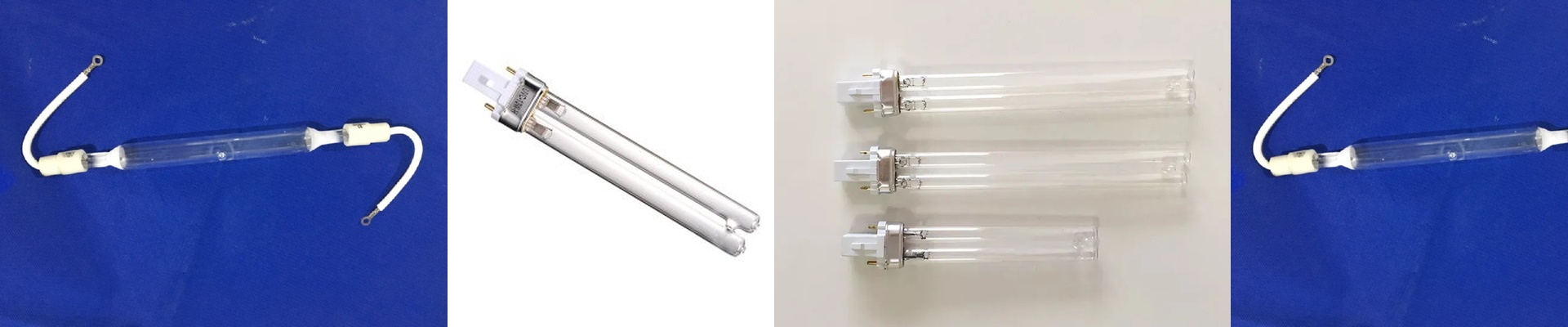

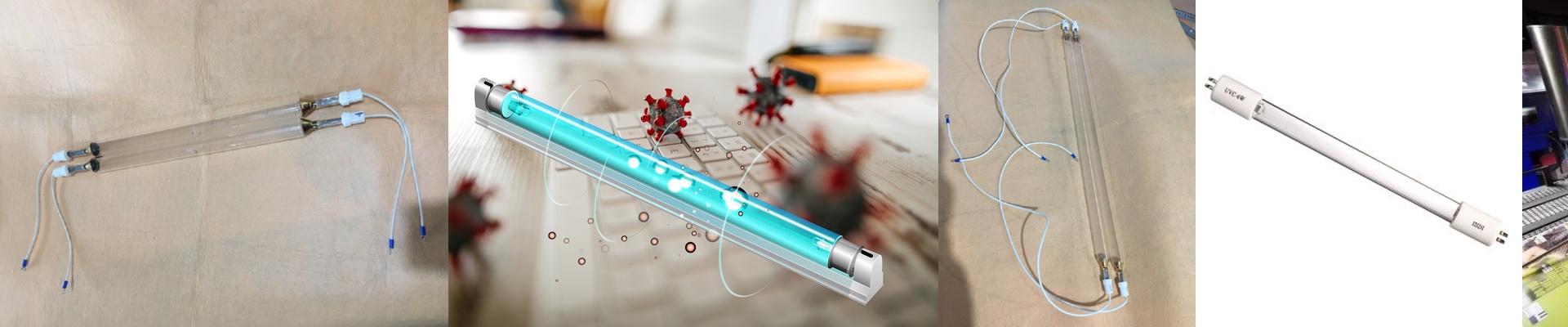
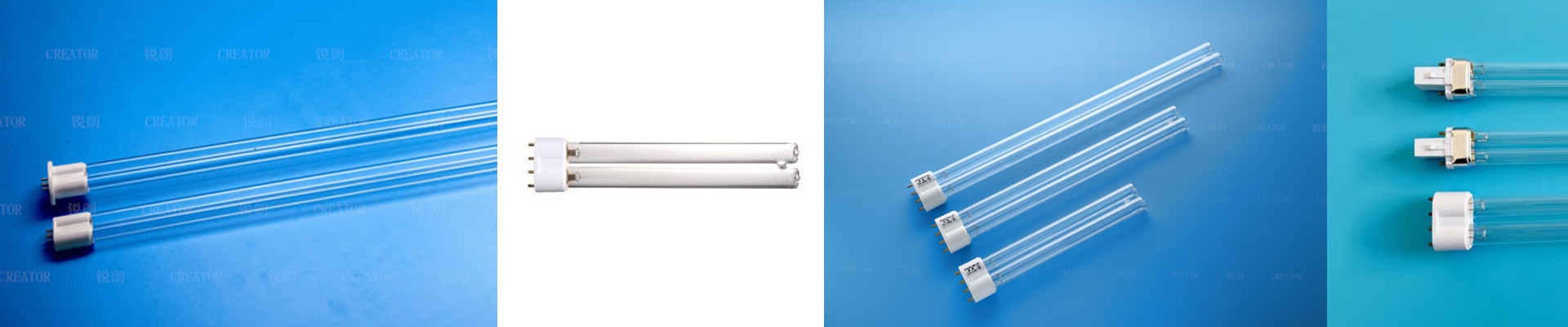
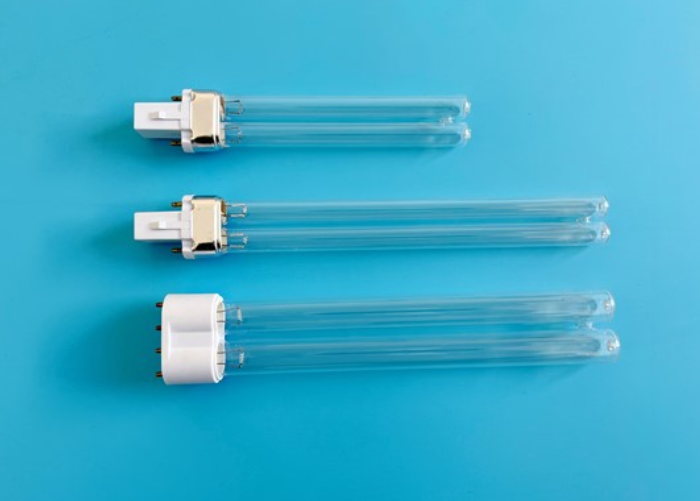
On the floor, the press doesn’t wait for the lamp to come up to temperature. It doesn’t care about the last lamp change date, the energy meter, or the stack of rejects piling up beside the dryer. It only cares about one thing: steady, instant UV energy—every single run. We built the Pondmaster UV lamp bulb over 15 years of tuning spectral output, toughening quartz envelopes, and proving designs on presses that run 12–24 hours a day. The goal was straightforward: make the curing performance repeatable, and make it hold up under real industrial UV offset, flexo, and screen printing conditions.
What actually matters, technically
In UV curing, the lamp isn’t just a heat source—it’s a photon engine. What counts is spectral match to the photoinitiators in your ink, stable output over time, and predictable behavior where the lamp meets the reflector. Pondmaster bulbs are engineered as high-pressure mercury vapor lamps, tuned around the dominant emission lines used for UV curing. The profile concentrates output where cross-linking needs it most: 365 nm for deep penetration and reliable through-cure, plus strong mercury lines in the UV-A band to support surface cure and pigmented systems. If your ink set leans on photoinitiators that absorb in the 385–405 nm window, you still get usable output across that range, but the core design leans hard on 365 nm intensity because that’s where most production failures start—uncured base layers and adhesion issues. Here are the performance drivers that show up on the job:
- Peak irradiance at the substrate: High peak irradiance (W/cm²) shortens the exposure window needed to hit the required energy density. UV ink cure isn’t just total dose (mJ/cm²); it’s about delivering enough photons fast enough to beat oxygen inhibition and migration in the ink film.
- Energy density control: With stable output, you can set a repeatable cure window—say, 800–1200 mJ/cm² depending on ink thickness and color—and get the same result shift after shift.
- Lamp life and degradation: Mercury lamps dim as electrodes erode and mercury consumption shifts. Pondmaster bulbs are built to flatten that degradation curve. We aim for long life with controlled end-of-life behavior—less sudden collapse, more predictable maintenance windows. In practice, you get stable curing over thousands of hours, with output drift managed so you can plan lamp changes around production, not the other way around.
- Reflector compatibility: The bulb is only half the system. Reflectors with dichroic coatings are designed to reflect UV while transmitting visible light, and their efficiency depends on the lamp’s spectrum and arc length stability. Pondmaster bulbs hold tight arc geometry and consistent envelope dimensions, so the reflector focal point stays stable. That means fewer hot/cold bands across the web and fewer curing non-uniformities.
- Ozone management: Many industrial lamps run hot enough to make ozone in air. Pondmaster bulbs are specified as ozone-free through envelope doping and operating temperature control. That cuts down on external ozone venting hardware and keeps the lamp head cleaner—less film build on the reflector, less maintenance. If you run mixed ink types—white base, opaque colors, high-pigment flexo inks—the lamp’s spectral balance helps you avoid the classic trap: a surface that feels dry, but insufficient through-cure for adhesion and solvent resistance.
Why this works in the real world
Fifteen years of development didn’t happen in a lab white paper. It happened on presses that won’t tolerate inconsistency. In UV offset, the lamp lives in the dryer tower and the web is moving fast. If lamp output dips even a little, you get incomplete cross-linking. That shows up as set-off, scuffing, and downstream finishing failures—lamination delamination, die-cut dusting, poor fold endurance. Pondmaster bulbs deliver repeatable peak irradiance, so the same cure window gives you the same molecular cross-link density, shift after shift. In UV flexo and screen, the challenge shifts, but the principle stays the same. Thicker films and heavier pigment loads demand deeper penetration. If the lamp underperforms, you end up chasing it with more speed, more power, or both—until you hit the limit of the ink’s photoinitiator system. Then you get surface cure without through-cure, and the job fails in testing. With a stable spectral profile and predictable output, you can run the press at the intended speed, set lamp power to match the ink, and get consistent results without overdriving the system. Over those 15 years, we refined the details that matter on the line:
- Quartz envelope purity and wall thickness to manage thermal stress and keep operating temperature stable.
- Electrode design to reduce end-of-life blackening and maintain arc stability.
- Mercury alloy formulation and fill pressure to control output drift.
- Physical tolerances for consistent mounting and reflector alignment. The gains are practical and measurable:
- Fewer lamp changes: Longer service life means less downtime and less maintenance labor.
- Less variability: Stable output reduces scrap and rework from inconsistent cure.
- Energy predictability: Consistent electrical behavior per unit length makes it easier to model energy costs and optimize dryer settings.
- Better compatibility: The bulb is designed to fit standard lamp housings and reflector assemblies used in industrial UV dryers. If you want UV curing to stop being a “hope it holds” utility and start being a controllable process variable, the lamp has to act like one. Pondmaster bulbs behave like a repeatable process input.
The practical details you need
No lamp is universal, and installation conditions matter. Here’s what you need to match the bulb to your line. Power and ignition: High-pressure mercury lamps need matched ballast and ignitor hardware. If the ignitor doesn’t deliver the right high-voltage pulse, the lamp can strike slowly—or not at all. If the ballast doesn’t regulate current properly, the lamp runs hot, life shortens, and the spectrum shifts. Always use the specified ballast class and ignitor type for the lamp wattage and arc length. Thermal management: UV lamps aren’t just light sources—they’re thermal systems. The bulb has to run within its designed envelope temperature. If airflow across the lamp and reflector is insufficient, the lamp overheats, output drifts, and the quartz envelope takes stress. If it runs too cool, mercury condensation behavior changes and output becomes unstable. Make sure the dryer airflow matches the lamp’s cooling requirements. Ozone-free operation limits: Ozone-free designs cut ozone generation, but you still need adequate ventilation around the lamp head. Don’t run the lamp in a sealed chamber without airflow. Keep the lamp housing exhaust path clear. Reflector maintenance: Even with stable lamp geometry, reflector cleanliness directly affects irradiance at the substrate. Pigment films, dust, and oil can build up on the reflector and knock down effective output. Put reflector inspection and cleaning on a fixed schedule. A clean reflector is the cheapest way to recover cure performance. Compatibility check: Pondmaster bulbs are engineered to fit standard industrial lamp housings, but not every machine uses the same connector, arc length, or mounting hardware. Confirm overall lamp length, base type, and terminal configuration before ordering. If your dryer uses a specific brand of lamp head, verify compatibility against the bulb’s dimensions and electrical interface. End-of-life behavior: As the lamp approaches end of life, output declines and ignition can become less reliable. Plan replacement based on accumulated hours and observed output trending, not a calendar date. Keep a spare on hand so you can swap during scheduled maintenance, not during a critical run. If you run UV offset, flexo, or screen and your dryer performance has been drifting—if cure is inconsistent across shifts, or lamp changes keep interrupting production—match the lamp to the process. After 15 years refining the Pondmaster UV lamp bulb, we built it to behave predictably under industrial conditions: stable spectral output, repeatable peak irradiance, and long life with controlled degradation. On the press, that means fewer variables. More uptime. Consistent curing.