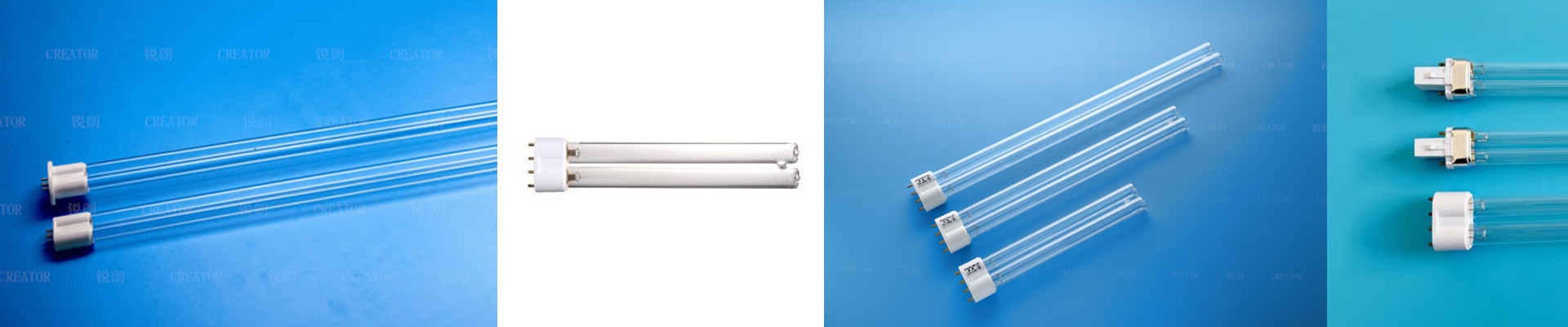
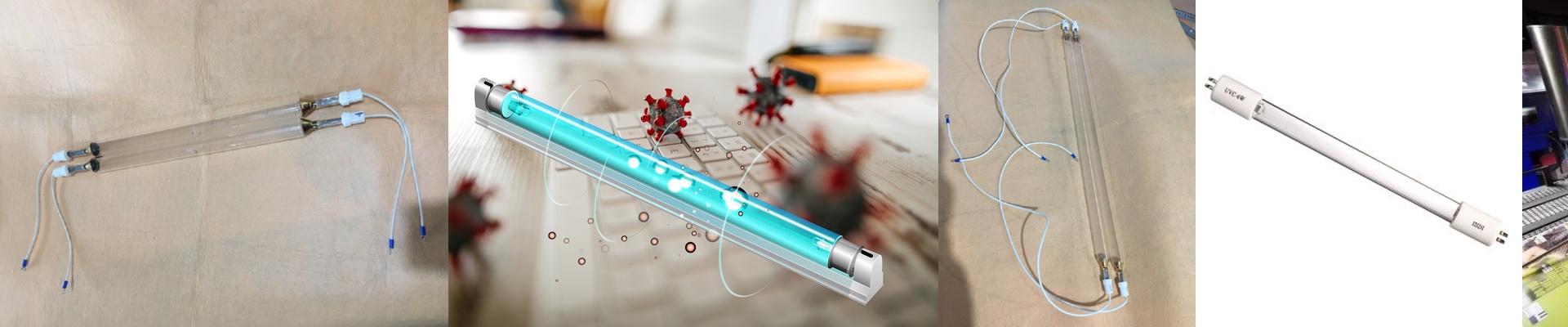
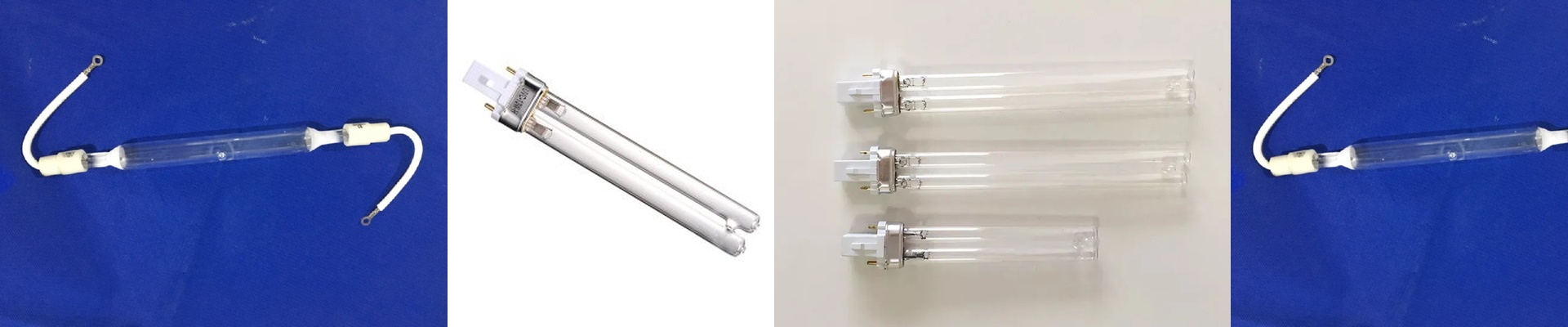


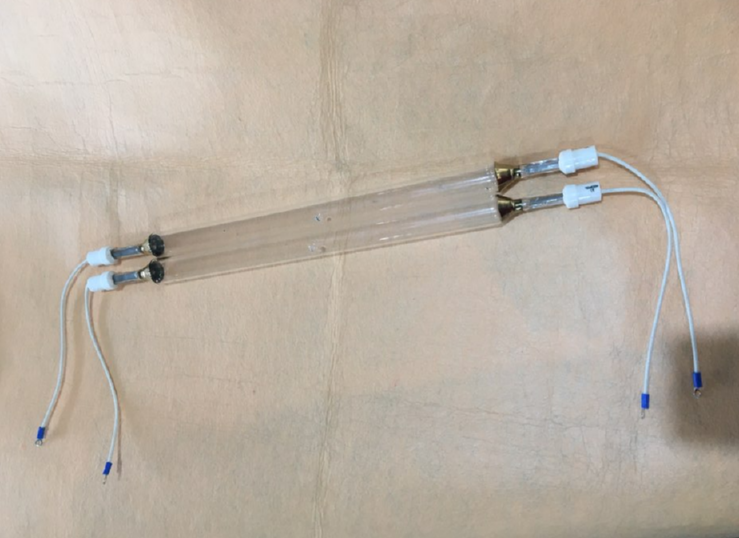
Old offset, flexo, or screen lines don’t have to feel like they’re running on fumes. The UV system on your press was spec’d around a different ink set and a different target speed than what you’re running now. That mismatch shows up the hard way—incomplete cross-linking, tailing, and too much make-ready. We build high-pressure mercury UV lamps to put the energy budget back where it belongs, so those older machines can run the speeds they were designed for. What actually matters in the curing equation is spectral output and delivered irradiance. Our high-pressure mercury vapor lamps put the bulk of their output at 365 nm, with strong shoulders at 313 nm and 385–405 nm. That profile tracks the photoinitiator absorption in both free-radical and cationic UV inks and coatings. Peak irradiance hits 12–15 W/cm² at the arc, and with a dichroic-coated elliptical reflector, we hold >80% reflectivity and keep focal uniformity tight across the substrate. Output stays stable from startup through end-of-life—less than 5% drop over 5,000 hours—so your cure window doesn’t drift in the middle of a long run. And here’s why it fits your aging press: it’s a direct energy replacement that drops into the original footprint. We match arc length, terminal geometry, and coolant connections so the lamp swaps cleanly into your existing UV module. You get faster cycles without trading off cure quality—less scumming, stronger adhesion, and fewer rejects. Power draw drops, too, because reflector efficiency is up and you’re not wasting energy on warm-up. One practical note before you swap in: older reflectors and shutters tend to show oxidation and get knocked out of alignment. To hit the expected dose, the reflector needs to stay within 0.5 mm of the arc axis and stay free of hazing. Plan a 30-minute inspection during the changeover to confirm focal distance and verify cooling flow.