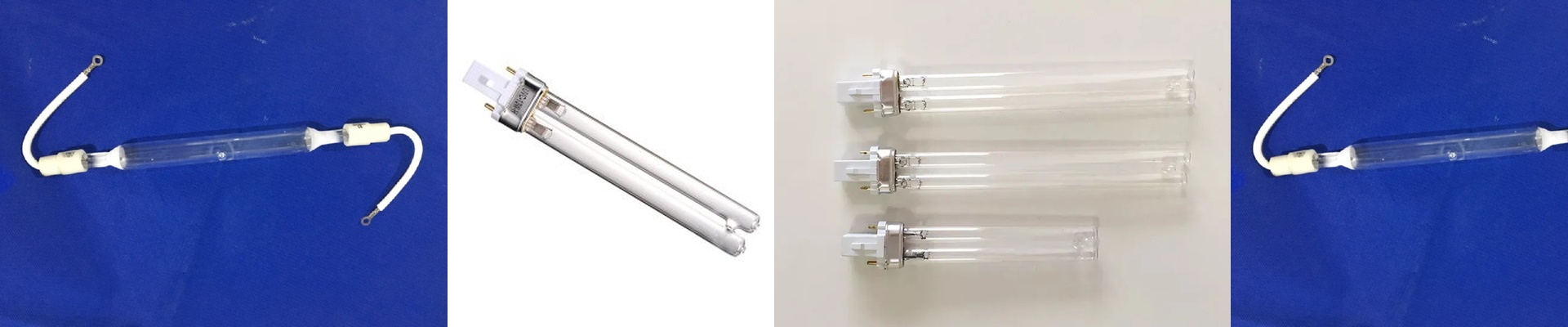

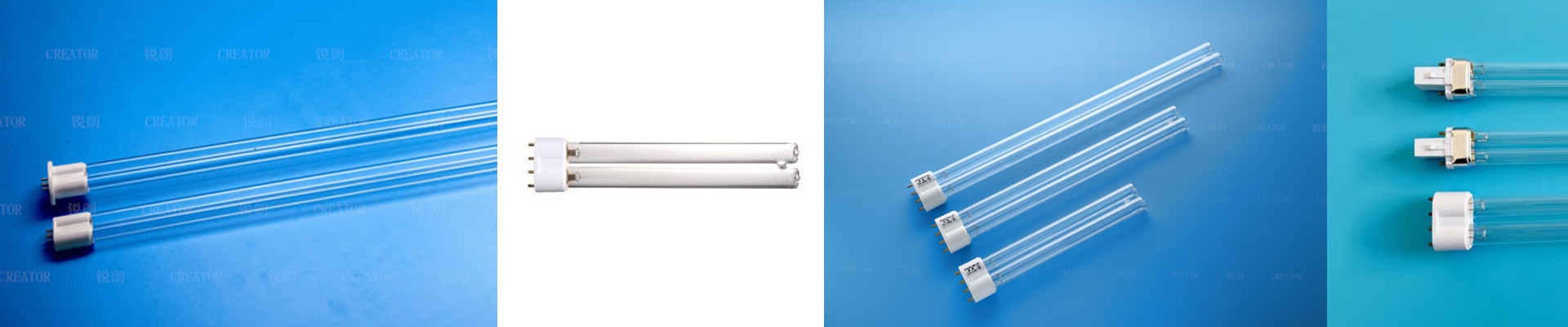

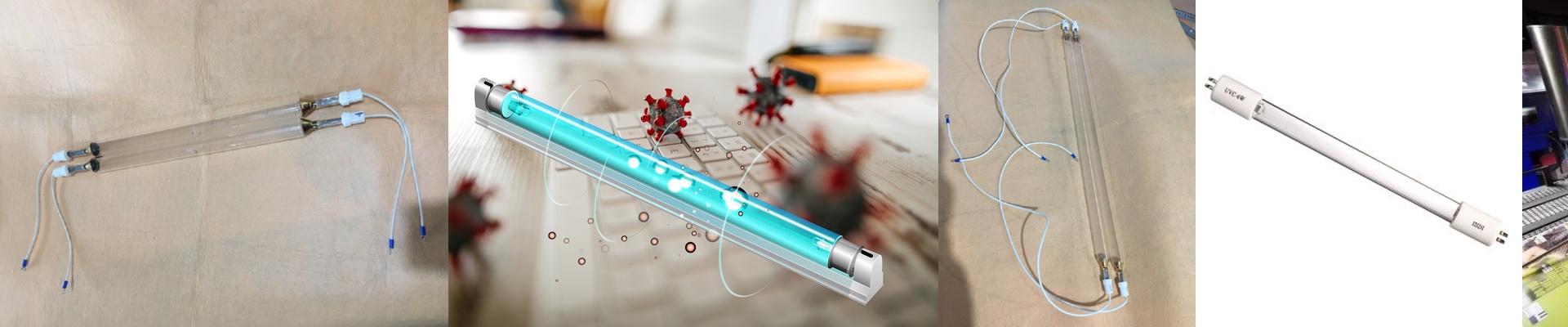
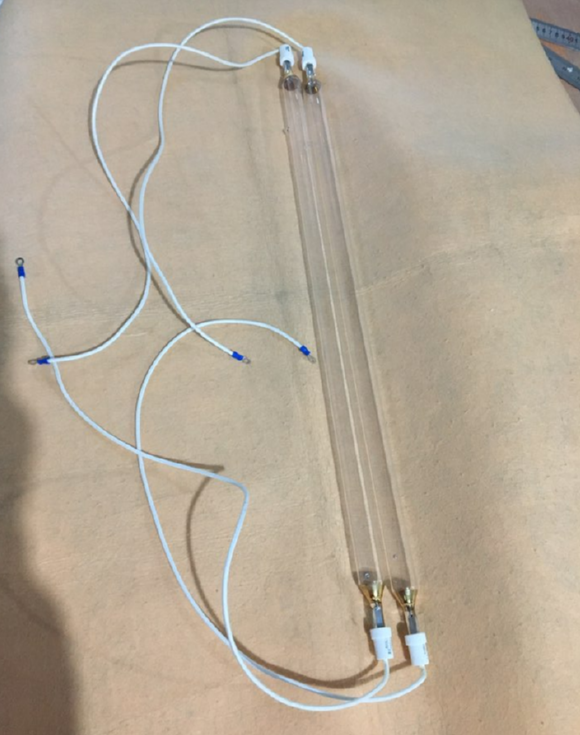
Trend brands don’t just want speed on the line. They want color that holds, and cure that doesn’t drift. In high-end furniture coating and premium textile work, an unstable UV spectrum shows up fast—color shifts and incomplete cross-linking. We set our lamps to deliver a stable, narrow-band output at 365nm and 385nm, matched tight to the photoinitiator absorption of today’s UV coatings and inks. What it comes down to is control. Our medium-pressure mercury vapor lamps hit a peak irradiance of 1200 mW/cm² at the substrate, with energy density in the 800–1200 mJ/cm² range depending on line speed. The reflector uses high-purity aluminum with a dichroic coating, so over 92% of usable UV energy lands on the target while IR heat stays suppressed. Ozone-free quartz envelopes keep the area cleaner and cut down on maintenance. You can plan on 5,000+ hours of stable output, with intensity dropping less than 5% over the life of the lamp. In furniture coating, the job is simple: cure deep enough that the surface isn’t tacky, and keep the color honest. Our lamps cure pigmented coatings evenly, so the printed color sits on a fully cross-linked base—saturation stays consistent and dot gain doesn’t creep in. That means Pantone matches you can count on, and cycle times that move. Line speeds run up to 120 m/min. Energy draw drops 18–25% compared to conventional reflectors, and lamp replacements become predictable instead of a scramble. Here are the things that matter in the real world. These lamps need matched ballasts and steady airflow across the arc zone. If you run below 80% of rated voltage, the spectrum gets shaky. And if dust or solvent vapors foul the reflector, output can tank fast. **Make sure the lamp housing dimensions and connector type line up.**A mismatched mount gives you uneven cure and hot spots. After startup, give the system a 30-minute thermal soak-in to stabilize output.