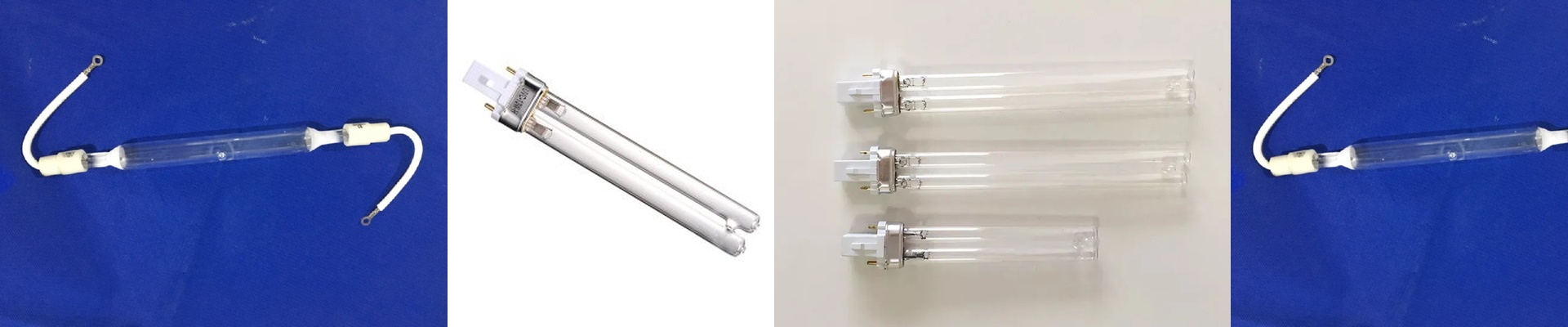

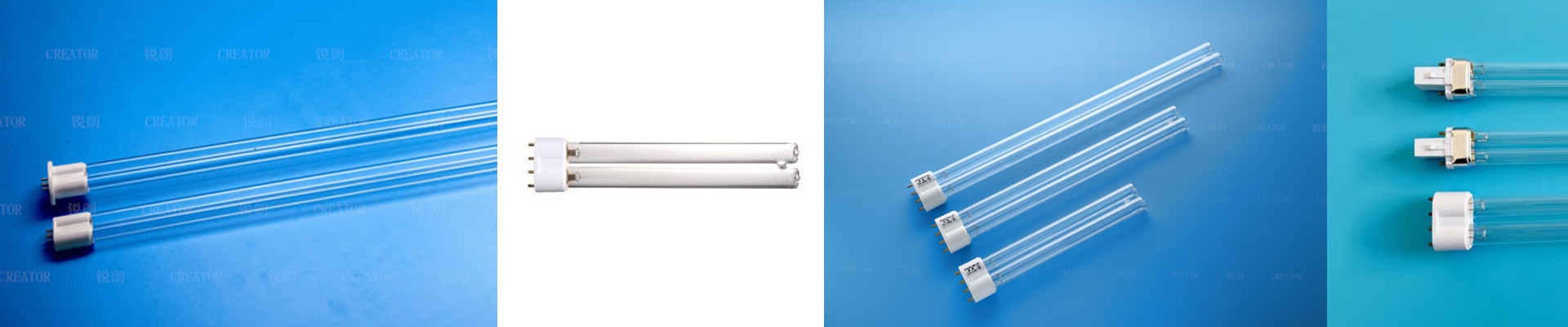

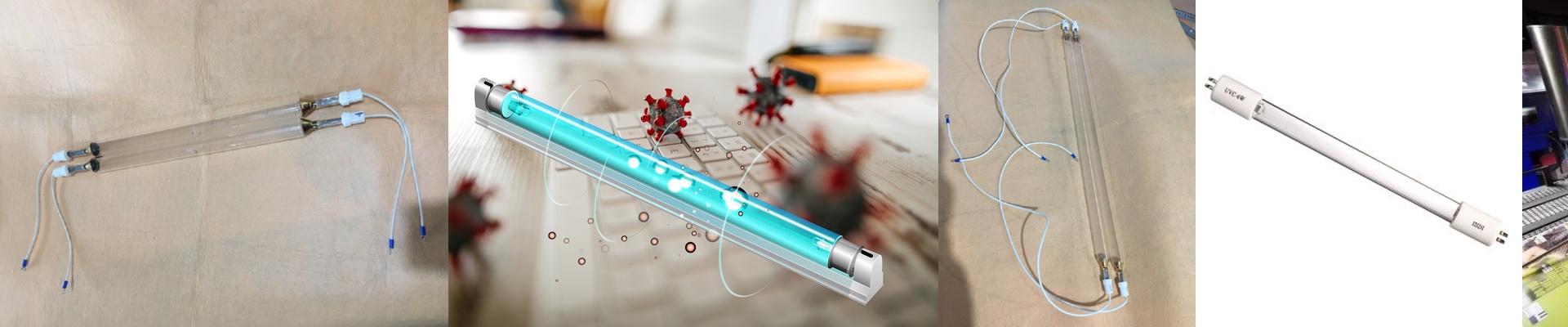
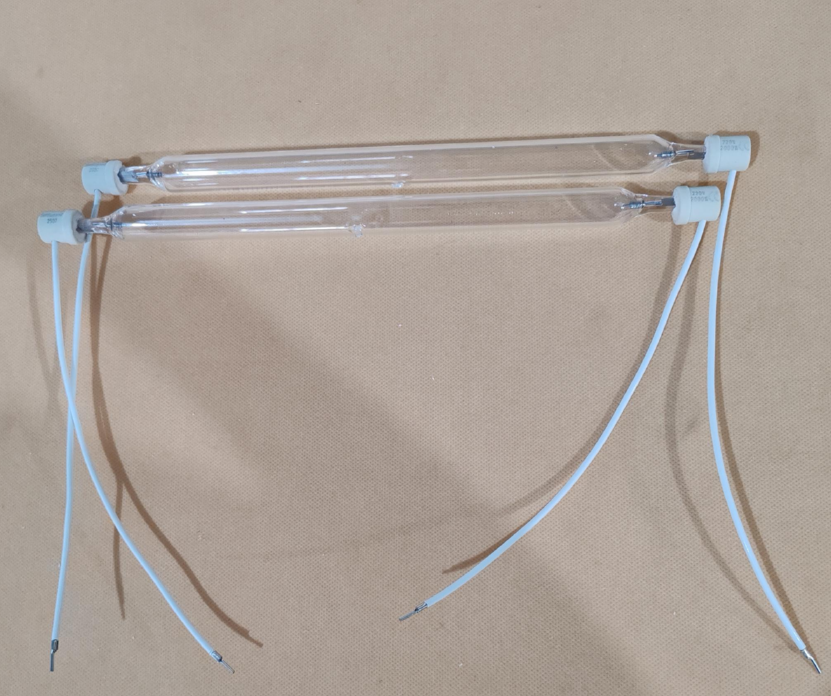
Out on the floor, a thin film of oil and smoke on the lamp envelope is all it takes to scatter your UV and gut the dose. The photoinitiator gets starved, cross-linking stalls, and you start seeing tack, inter-coat adhesion failure, or uncured ink carry-over. Throwing more power at it won’t fix that.You fix it with clean optics and a spectral output that matches the chemistry. A 420nm gallium UV lamp is built around a gallium-doped medium-pressure mercury vapor source. It delivers a tight spectral distribution with a dominant peak at 420nm and less short-wave output. That profile lines up with photoinitiators in a lot of UV offset, flexo, and screen inks and clears, so cross-linking is predictable without excessive surface quenching. But talk is cheap — measure it. Keep stable peak irradiance at the substrate and hold the required energy density (mJ/cm²) across the full dwell width. The lamp’s dichroic reflector concentrates the 420nm band and cuts wasted IR, so you get more curing per amp and less heat load on the web. When it comes to daily maintenance, keep the lamp envelope and reflector free of oil, smoke, and coating residue. Wipe with isopropyl alcohol and a lint-free wiper, and inspect for hazing or pitting. A clean system holds optical efficiency, stretches lamp life, and prevents the dose drop that leads to incomplete cure. We’ve seen users push service intervals up by roughly 30% just by sticking to a scheduled cleaning and inspection routine, while keeping spectral output within tolerance. Plan for compatibility. Match the lamp to the fixture’s arc length, wattage density, and reflector geometry, and confirm the 420nm output fits your ink’s photoinitiator absorption window. Expect a slightly longer warm-up to thermal stability than short-arc mercury lamps, and verify the power supply’s ignition and regulation. Run the lamp within its rated envelope, and you keep output consistent and protect the chemistry.