
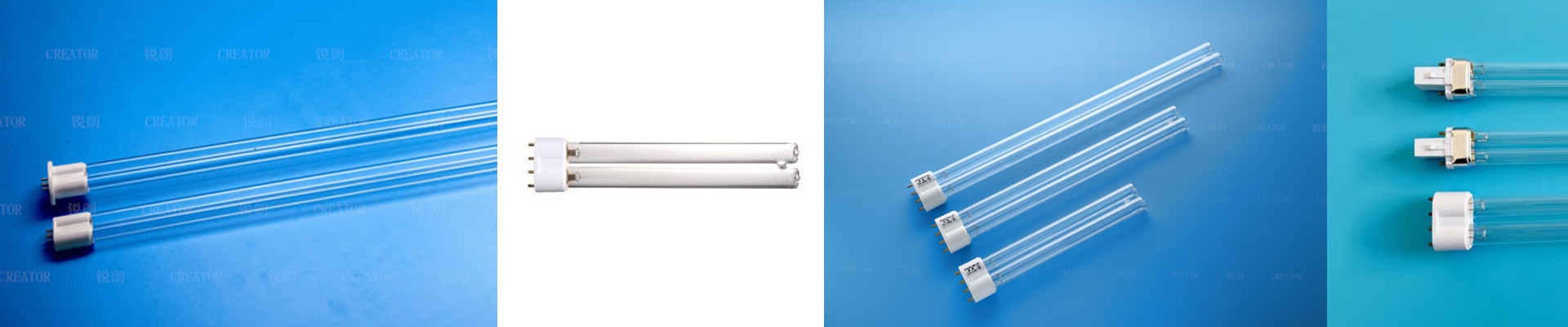
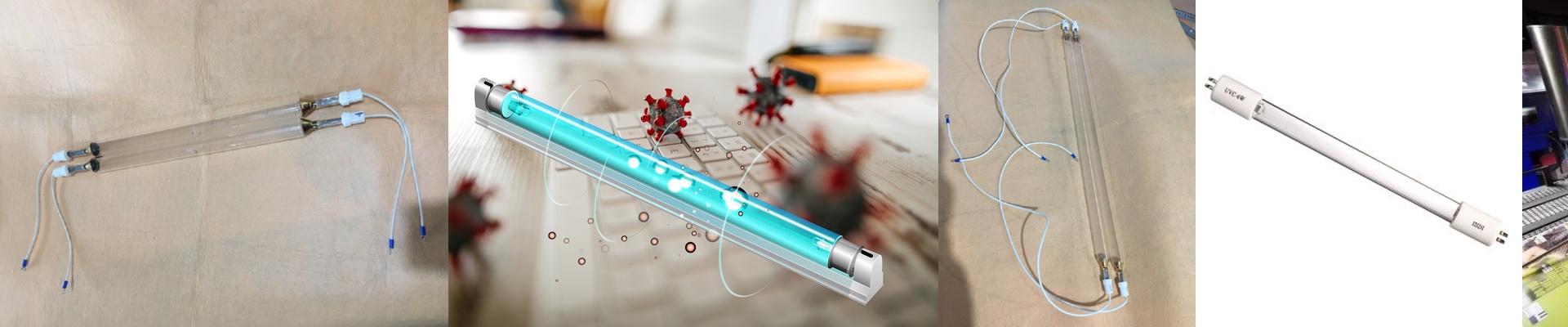
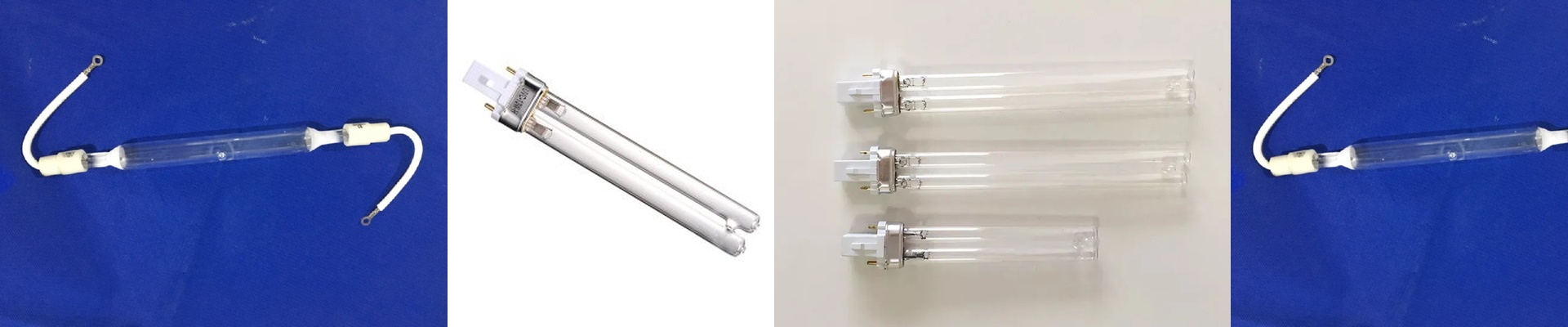

When an M&R or KTK UV lamp goes down, the press stops cold, ink stays wet, and the schedule slips. Throw in a generic replacement and you’re playing roulette, because curing isn’t guesswork. It’s spectral output, peak irradiance, and energy density hitting the web or substrate where it matters. We build our Miltec UV lamp replacements to drop in as a true 1:1. Same geometry, same arc length, same electrical interface. No rewiring, no re-engineering—just swap and run. The heart of it is the spectral signature. In UV offset, a strong 365nm line gets you through-cure on thick films. For flexo, the sweet spot is broader, around 385–395nm, giving you surface cure and adhesion on film. With screen, you need high peak irradiance at 365nm and 405nm to pin the ink open without blocking fine detail. Our quartz arc tubes hold mercury vapor pressure steady. Dichroic-coated reflectors shape the beam. And the system runs ozone-free. Output stays stable past 1,000 hours, with irradiance drift held in a narrow band—not a sudden cliff. What you get back is process control. The lamp sits right in the reflector’s focal plane, so cure width is consistent, mJ/cm² is repeatable, and variance across the print drops. Energy use goes down because the system isn’t over-driving to make up for a fading lamp. Downtime drops because the lamp fits and the connector matches. A few practical notes. Check the wattage, voltage, and ignitor type on the ballast, and take a hard look at the reflector. UV output is touchy—pitting or misalignment will eat up any gains from a fresh lamp. Match the wavelength profile to the ink’s photoinitiator window, and set dwell by line speed, not by feel.