

Introduction
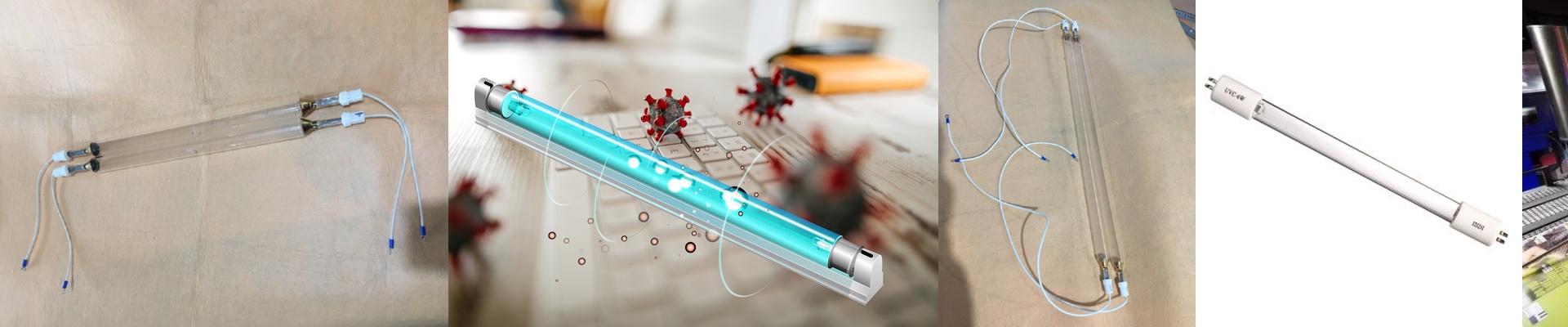
Here’s what we’re all about: we make UV lamps that are built to become part of your machines. Not just slapped on, but truly integrated. We’re talking about units that deliver a steady, hard-hitting blast of light—the kind of energy your production line needs to keep things moving. The goal is simple: give you the heat and the light you can count on, every single shift.
The Power Behind the Heat
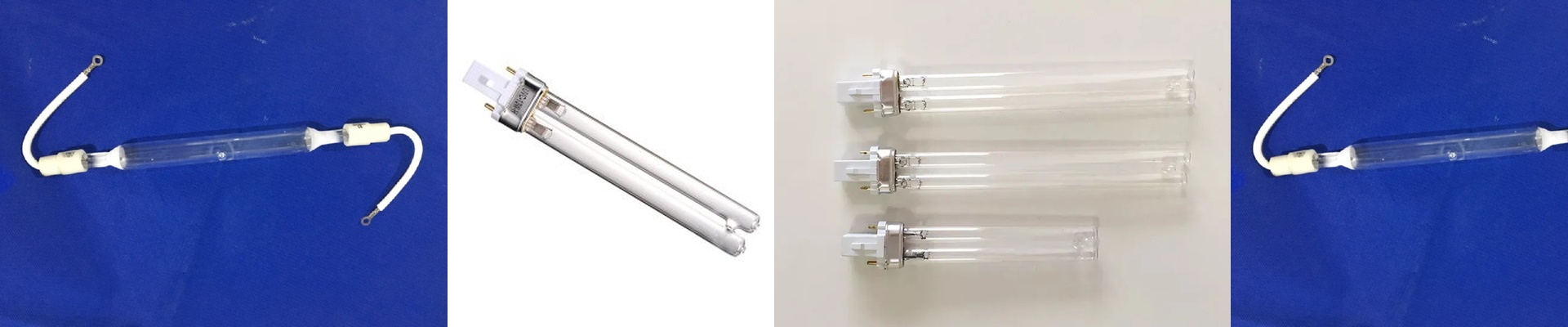
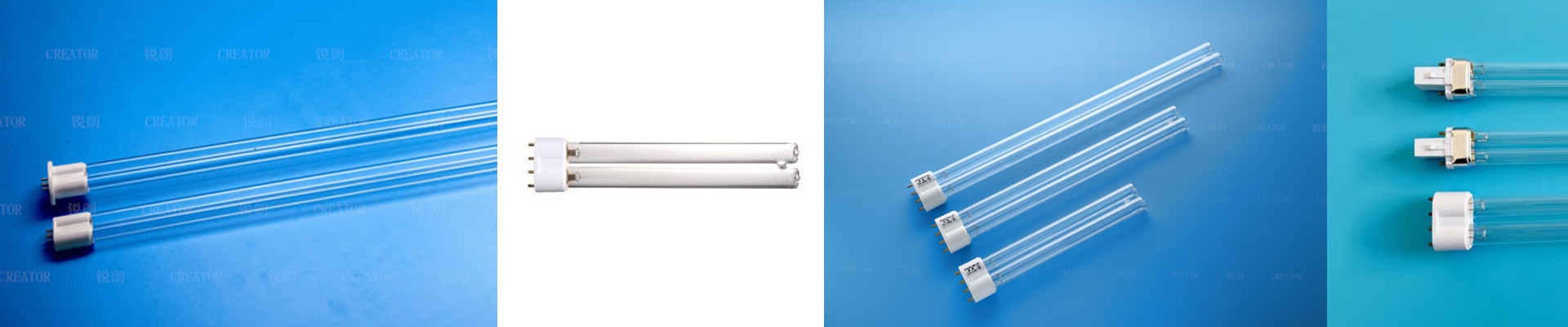
When it comes to UV heating, it’s all about packing a punch into a small space. We design these lamps to run at high wattages, but keep the footprint tight. Imagine a lot of energy coming from a short tube—often just 300mm—so you get that intense, focused heat exactly where you need it. To make that happen, the electrical setup runs on 400V. That high voltage is what pushes the necessary current through the quartz arc tube, getting the filament hot enough to transfer energy quickly and efficiently.
The Heart of the System
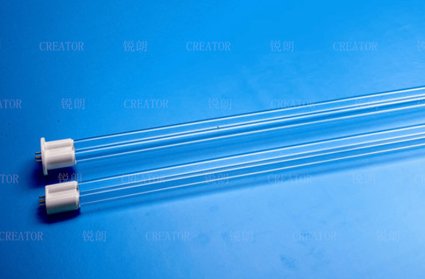
At the core is the quartz tube. It’s the reason this thing can handle sudden, brutal temperature swings without cracking. We also put a special coating on the inside. It’s there to shape the energy, to focus the light spectrum right where your curing process needs it. And the connectors—the R7s or Sk15 types—are chosen because they’re tough. They lock in tight, give you a rock-solid electrical connection, and can take the constant vibration and heat cycles of a busy factory floor without ever letting you down.
Real-World Workhorses
These lamps are the unsung heroes behind processes like PET blowing and precision printing. They give you that concentrated burst of energy to instantly cure inks or heat plastic preforms to the perfect temperature for shaping. The payoff? A fast, repeatable process that fits neatly into your machine. But here’s the reality check. That kind of power comes with a catch. The intense heat means the machine’s cooling system has to be up to the task. You have to manage the temperature around the lamp to protect it and keep it running strong for the long haul. For the engineers out there, it’s meant to be a simple swap. We handle the heavy lifting on the thermal side. You just get the performance you need.