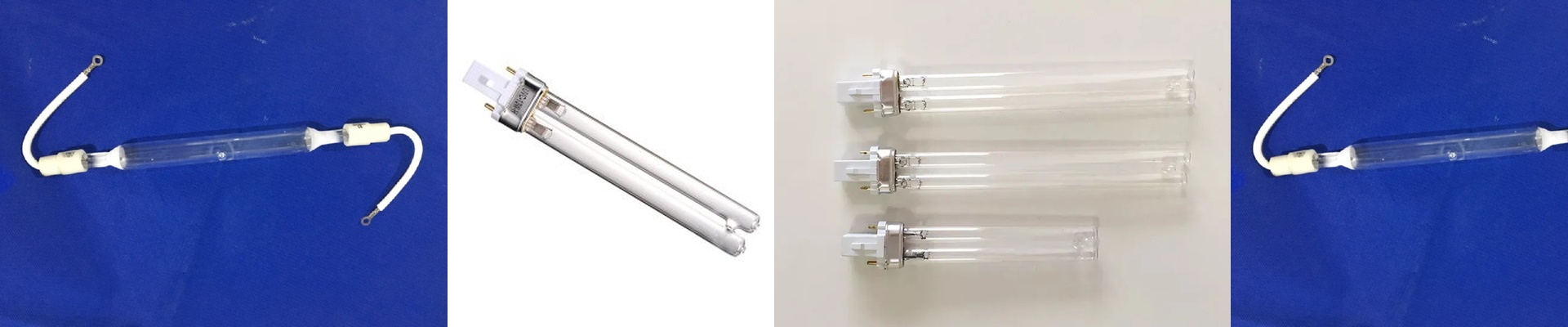

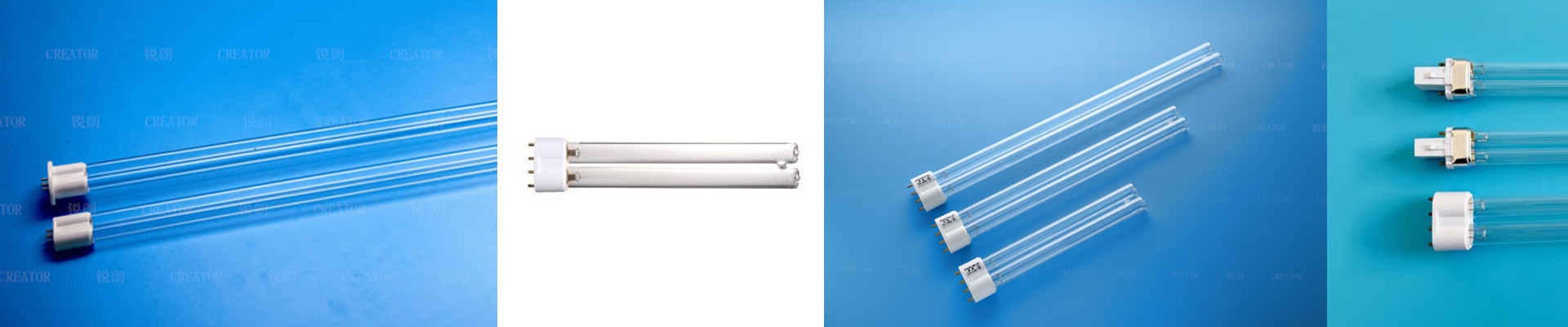
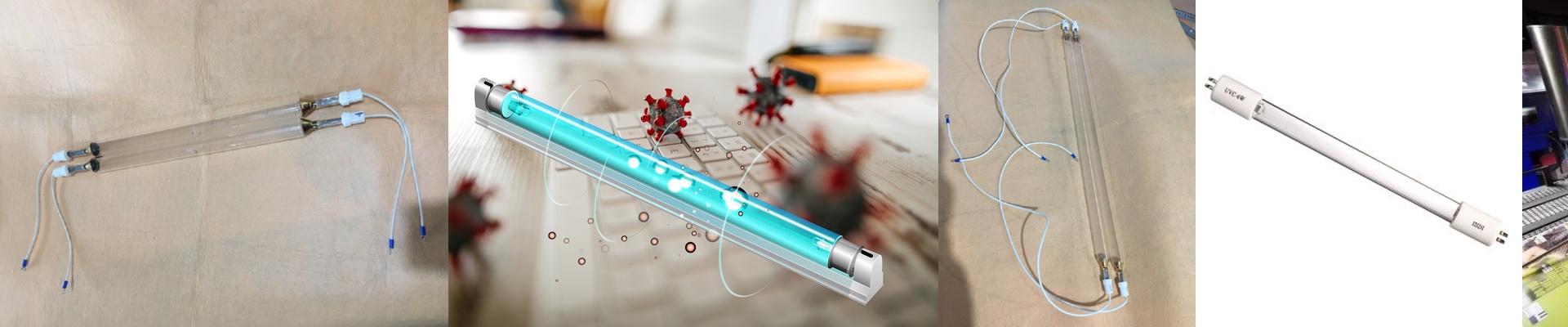

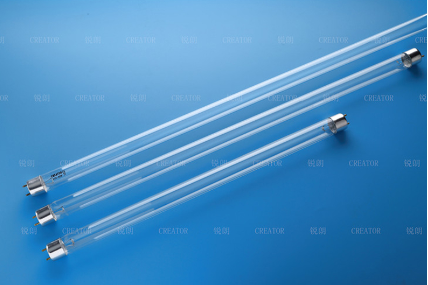
Commercial kitchens run on surface hygiene, but plenty of teams still chase it with chemical fogging and wiping—methods that leave room for inconsistency. In high-volume prep areas, handles, cutting boards, and pass-through surfaces keep harboring pathogens, and every minute spent sanitizing is a minute you’re not shipping product. UV-C germicidal irradiation can give you a repeatable, non-chemical process, but only if the lamp holds stable spectral output at the right irradiance. Dose is what matters—not marketing. We spec these kitchen-rated UV germicidal lamps as low-pressure mercury vapor, quartz-envelope units, engineered around a primary 254 nm emission line. That wavelength is the one that damages microbial DNA and RNA. We call out peak irradiance at the target distance and provide dose estimates in mJ/cm², so you can size exposure against published microbial reduction curves. The quartz envelope keeps UV transmittance high, and the reflector geometry is tuned to hold uniformity across the treated plane—minimizing cold spots where bioburden tends to hide. Why it works in a kitchen? Speed and control. You can sanitize a prep line, pass-through window, or storage rack in a single pass, with no chemical residue to rinse and no odor carryover onto food. Energy draw is modest compared to thermal sanitation, and lamp life is managed against a controlled degradation curve. Expect stable output for thousands of hours, with end-of-life defined by maintained irradiance thresholds—not just whether the lamp still strikes. Here’s the part you can’t gloss over: UV-C exposure has to be engineered and controlled. These lamps aren’t for direct human exposure, and the area needs to be interlocked or otherwise secured during operation. Installation comes down to mounting distance, alignment, and a cleaning plan for the lamp and reflector. Grease and dust films cut effective dose fast. Confirm fixture compatibility and clearances before you spec—performance depends on the whole system geometry, not just the lamp.