

Hybrid Curing for Automotive Glass Bonding
We build UV curing lamps for automotive glass bonding, but here’s the secret to making them really sing: a hybrid approach. On the line, pairing infrared heating with UV curing isn’t just a tweak—it’s the practical way to hit your production goals. Infrared gives you that deep heat, so the powder melts and flows properly. Then the UV jumps in and locks the top coat down fast.
Power, Voltage, and Footprint
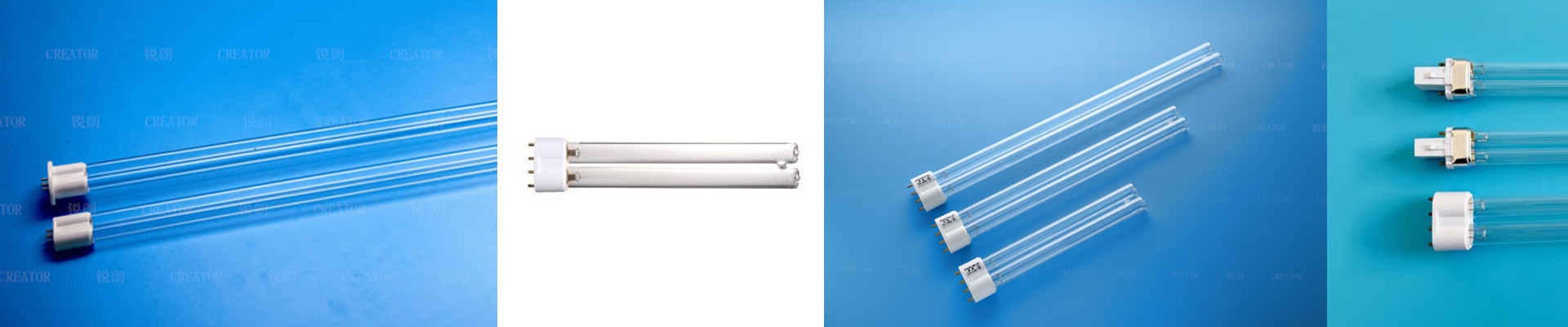
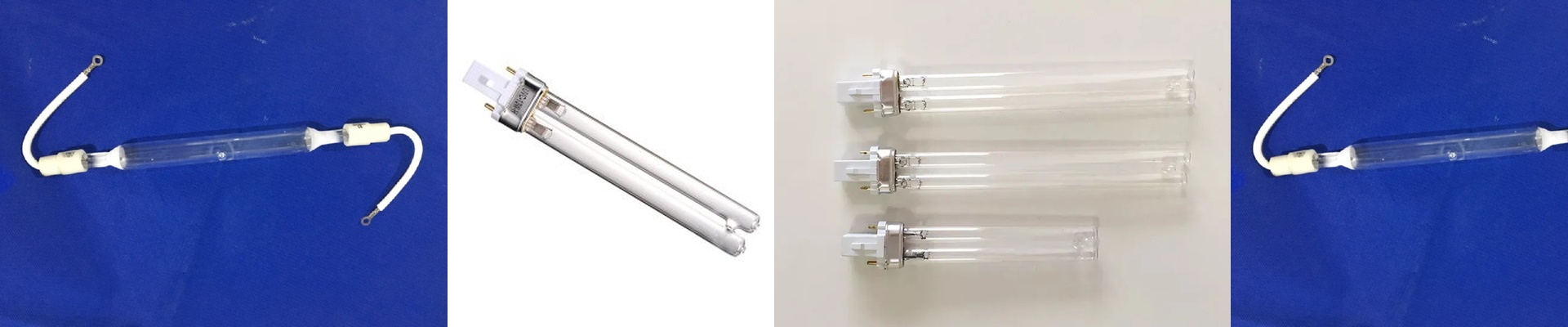
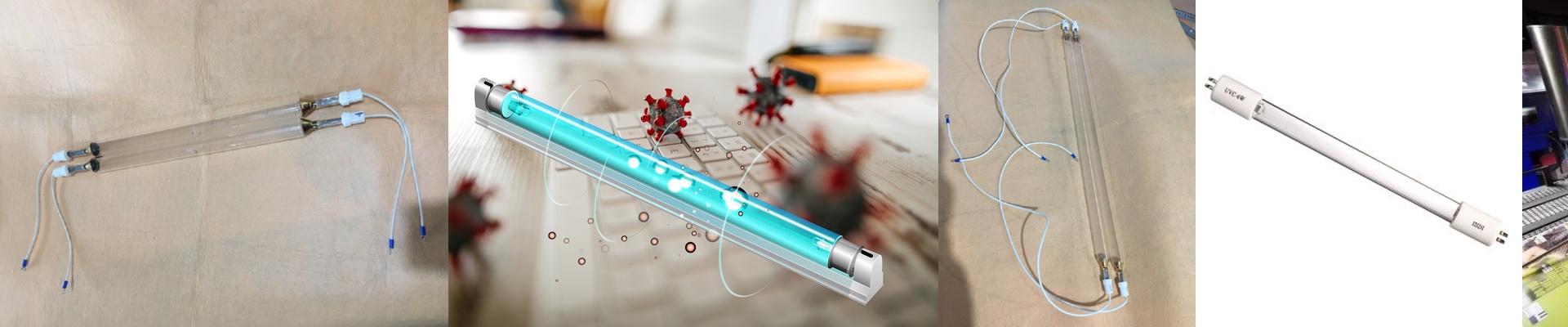
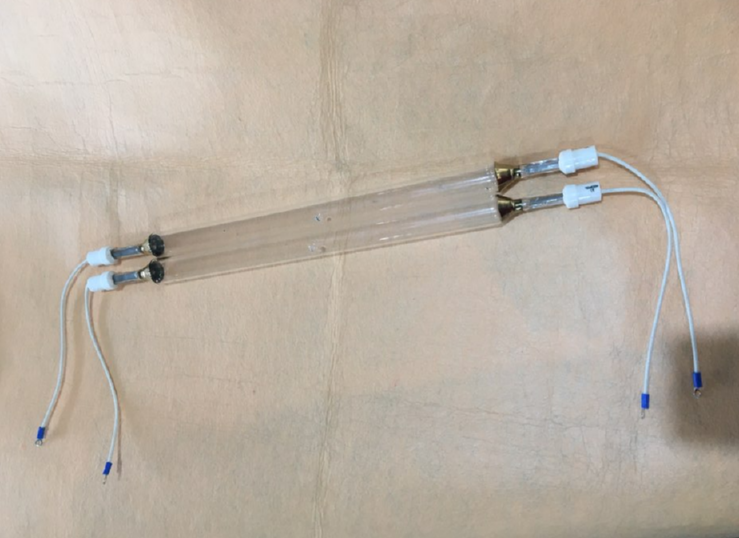
Our UV lamps run on a 400V high-voltage design. That lets us pack serious wattage—around 2500W—into a compact tube. We size the tube to fit the part, often about 300mm. So it slips into tight spots without forcing you to redesign the whole oven. That’s a lot of heat in a small space. So yes, your cooling setup needs to be ready for the temperature rise. Plan for it, and you’re good.
Material and Design: Halogen, Quartz, and R7s
Inside, we use a halogen-based shortwave infrared element housed in a quartz tube. Quartz handles thermal shock like a champ, so rapid on/off cycles don’t knock it off balance. The tube coating shapes the infrared wavelengths, pushing energy where it matters—into the powder, not the frame. And the R7s connector? It’s a straightforward, industrial-grade plug that keeps wiring simple. When it’s time for maintenance, the lamp swaps in like a drop-in replacement.
On the Line: Application and Benefits
Out on the floor, the hybrid setup cuts dwell time. Infrared brings the part up to temperature quickly, then the UV cures the surface in a flash. That sequence shortens the cycle, trims energy use per part, and boosts throughput. For glass bonding, the UV stage delivers a consistent cure, which helps adhesion stay reliable. The one catch is coordination: you have to match conveyor speed with lamp power. But when you get that right, the whole process runs clean, repeatable, and steady—keeping your line moving the way it should.