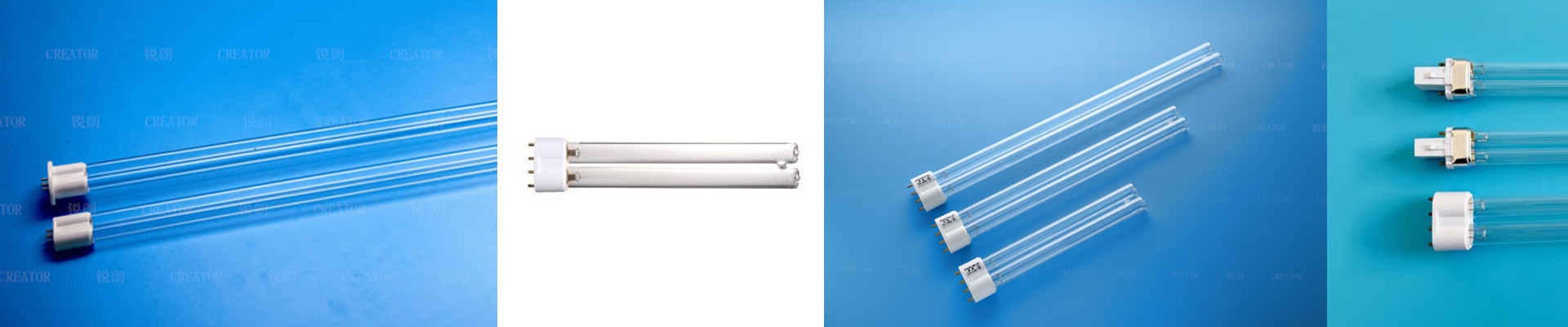

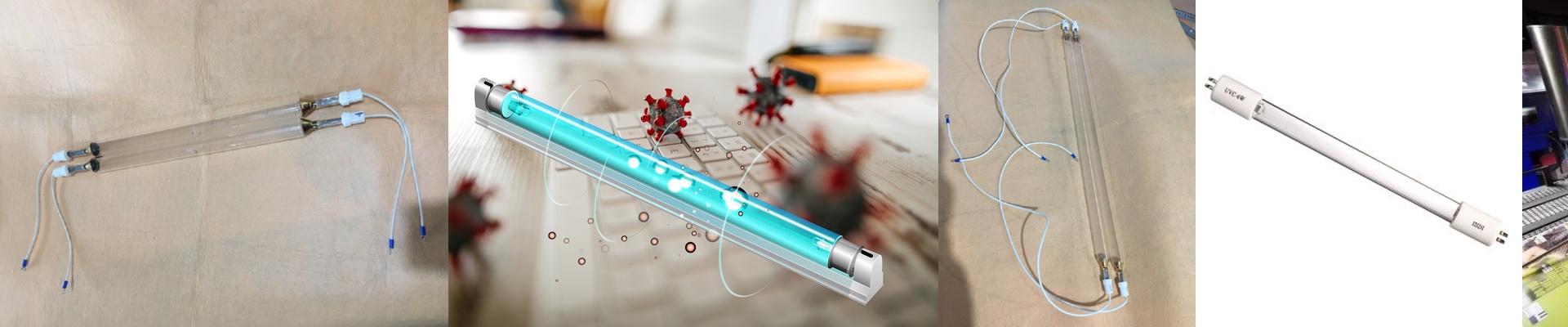
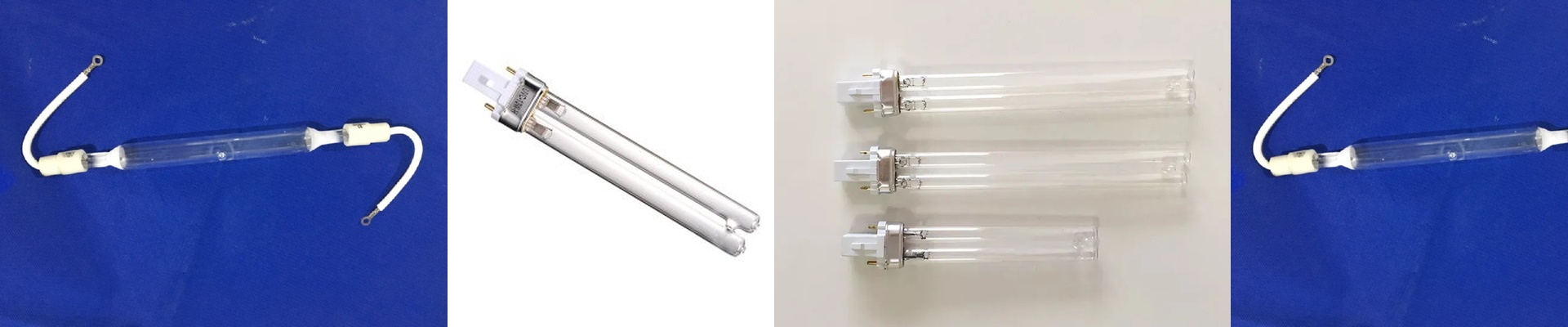

Old offset or screen presses doing glass decoration can feel stuck when you try to push modern UV inks. Mercury vapor lamps fade, spectral output drifts, and you end up throttling the line just to avoid under-cure or heat soak. We fix that by retrofitting a gallium iodide lamp system, specifically tuned for glass. It comes down to spectral control. Gallium iodide gives you a dominant peak near 365 nm, with controlled output in the 385–405 nm band. That lines up with the photoinitiators in glass-specific UV inks and coatings, so cross-linking happens fast without dumping heat into the substrate. With our dichroic-coated reflector, peak irradiance at the substrate hits 8–12 W/cm², and you can clear 800 mJ/cm² at typical web speeds. The lamp runs cooler than a high-pressure mercury unit, and it’s ozone-free by design. Less heat means fewer warp and adhesion headaches. Here’s what it looks like on the floor: you keep the press, you just replace the bottleneck in curing. Speed goes up, cure stays stable, and adhesion on treated glass stays consistent. Pinholes and tack-related rejects drop off. Energy draw comes down because more of the electrical input turns into usable UV. Lamp life stretches to 5,000+ hours, and output decay stays manageable. In practice, that means more uptime and predictable throughput from the same machine. A couple of things to get right. Check your reflector geometry and make sure you have the shutter clearance. Gallium iodide needs stable arc control and precise ignition timing to protect the quartz envelope. Confirm the power supply, shutter interlock, and airflow all sit inside the lamp’s operating window. And pair the lamp with a spectral radiometer to baseline irradiance and set your process window. Without that data, you’re flying blind—under-cure on thick deposits, over-cure on thin films.