
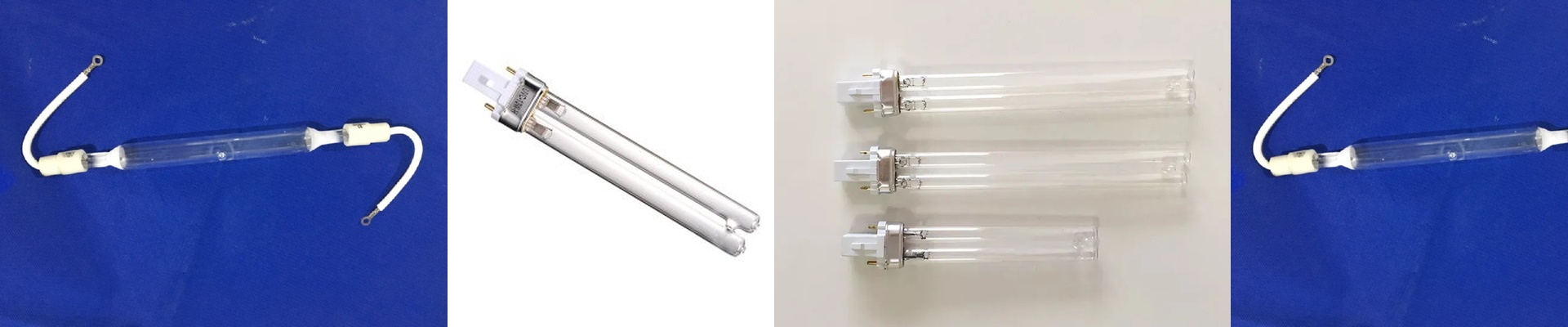
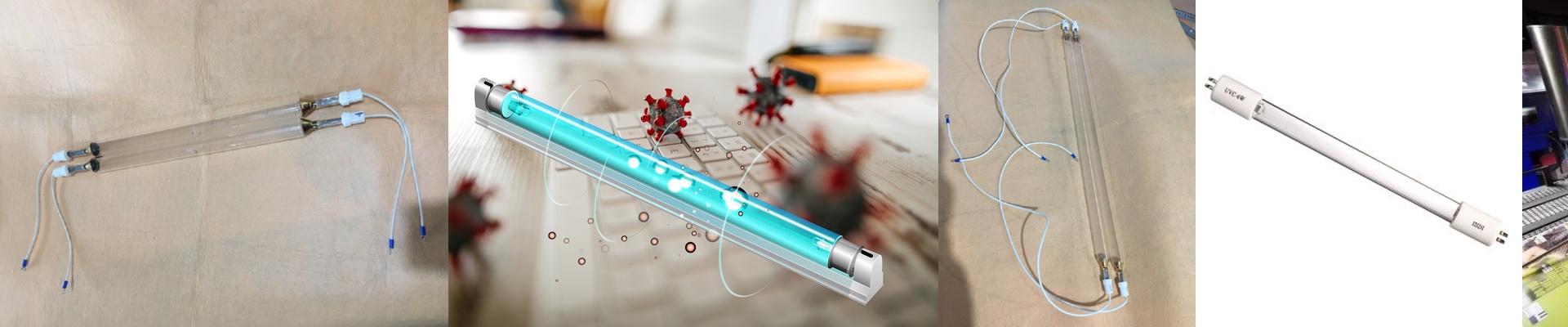

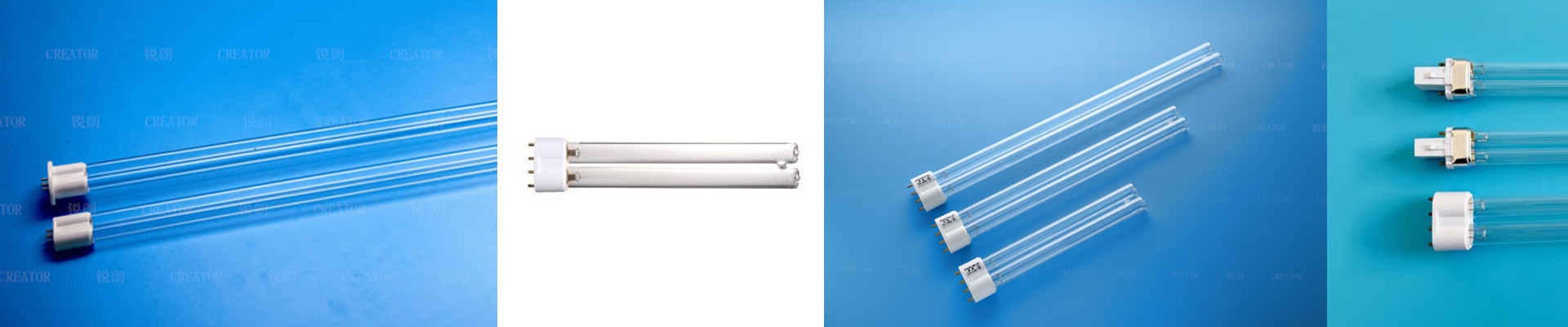
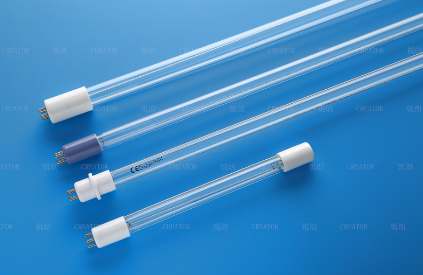
Public disinfection robots can’t sit idle. With conventional UVC setups, cycle times drag on, and you end up choosing between thoroughness and throughput. The real bottleneck is energy density. What matters under the hood We build these high-power UVC lamps around a tight 254nm spectral output. That’s the wavelength that maximizes absorption by DNA and RNA, so you get real microbial inactivation. And we don’t hand-wave on output—we quantify it. Peak irradiance at the target plane is engineered to top 200 mW/cm², delivering a dose above 400 mJ/cm² in a single pass. That’s the direct link between irradiance, dwell time, and lethality. The lamps use ozone-free quartz sleeves and a high-reflectivity dichroic reflector assembly to keep the beam contained and the spectral purity intact. Why it fits disinfection robots In public space disinfection robots, that energy density cuts the single-pass exposure time needed to hit a 6-log reduction. You trim cycle time by a measurable amount—often 30% or more—without giving up kill rate. The system’s smart power control adjusts on the fly for surface distance and reflectivity, holding the target dose as the robot moves through different environments. The payoff is faster deployment, more square meters covered per day, and a lower cost per square meter to run. Field realities you can’t skip High-power UVC means you have to manage heat. The lamp housing needs forced air or liquid cooling to keep the arc tube temperature stable. If you don’t, output drifts and lamp life drops off. Before you retrofit, confirm the robot’s integration clearances and electrical interfaces. Plan on scheduled intensity checks with a calibrated radiometer—UVC output decays as hours accumulate. You can expect 5,000–8,000 hours of stable operation before recalibration or replacement is due.