

Fast-Curing UV Lamp: Built for the Real World of the Print Floor
Here’s the truth we learned after walking through 3,000 printing plants: flashy new features don’t keep the line running. Uptime and repeatability do. That’s exactly what we built this lamp around. You need something that fires up the second you flip the switch, holds a rock-solid arc, and keeps delivering consistent energy, shift after shift. Because when you’re curing coatings, inks, and adhesives, speed isn’t just a bonus—it’s your throughput.
The Power Behind the Performance
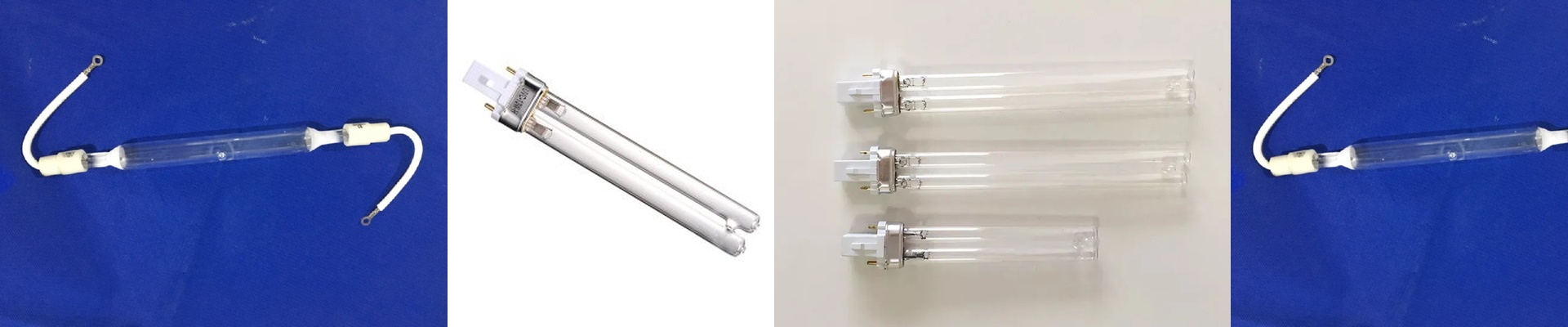
At the heart of this lamp is a high-energy arc design. We’re talking about a 2500W system running at 400V. That kind of power gives you the photon density you need for fast-cure cycles, even on high-speed lines. The 300mm tube length isn’t random, either. It’s just the right size to cover a standard curing zone—enough to get the job done without wasting energy on a bigger footprint. Now, 2500W packed into a compact form means one thing: serious heat. And that heat is real. So, your cooling setup matters. The cabinet ventilation and reflector geometry have to be up to the task.
The Details That Make It Dependable
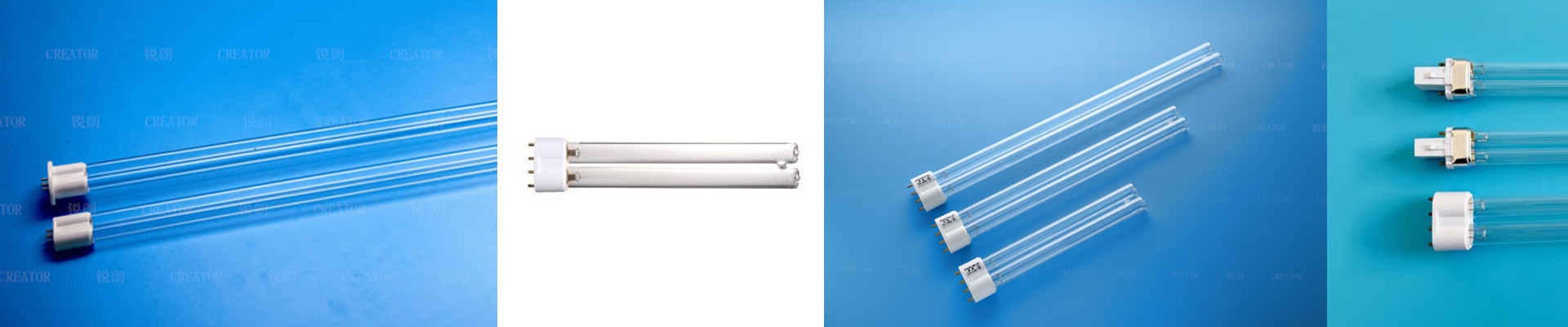
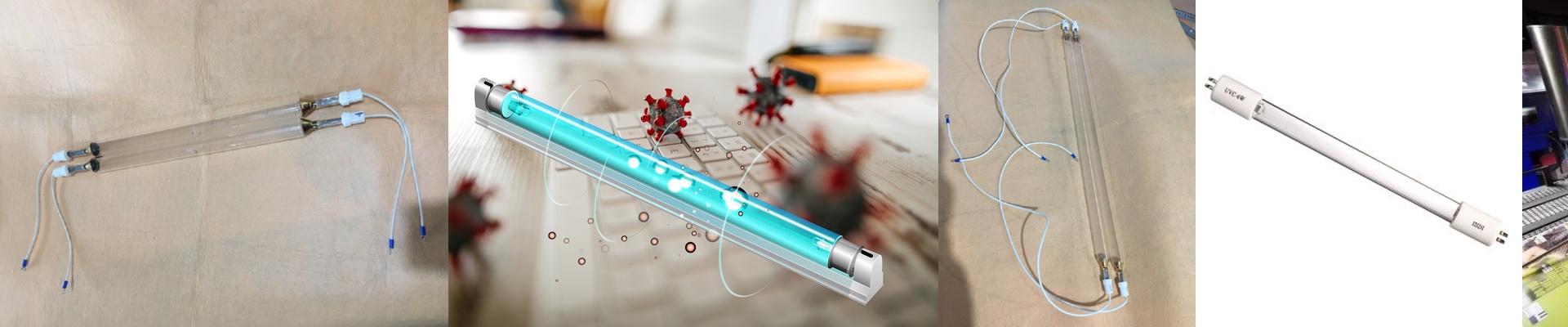
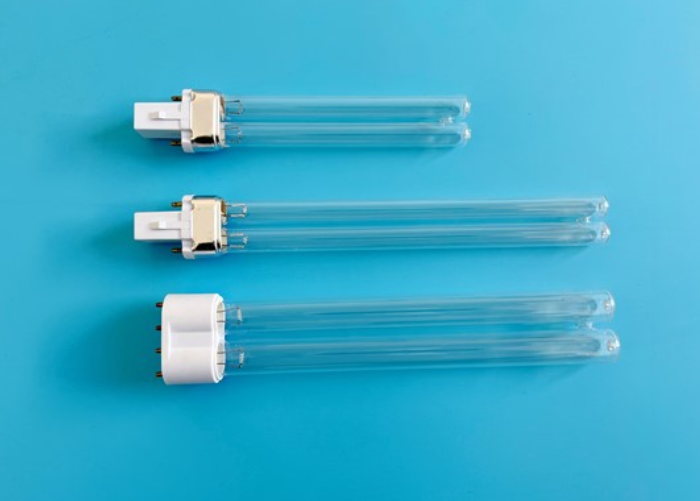
We use a halogen-filled UV quartz tube. Why? Because it stabilizes the arc and lets the lamp start instantly. No waiting around for a warm-up. You hit the switch, and it’s on. The tube coating is chosen to manage the output spectrum and stand up to the daily grind. It keeps things consistent, no matter how many times the lamp cycles on and off. And the connector? It’s an R7s, a tried-and-true two-pin interface. That means it drops right into most existing fixtures. Installation is simple: line it up, lock it in, wire it up. No need to redesign the holder.
What It Feels Like on the Floor
On an industrial print line, fast curing means fewer smears, fewer rejects, and the ability to run faster. This lamp gives you output you can trust, so you can lock in your process settings and stick to them. It’s built tough enough to handle the daily grind. But, and this is key, it still needs the right cooling support. If you size your heat exchange and airflow to match the 2500W load, you get a system that stays steady—even when the schedule gets crazy.