

Introduction
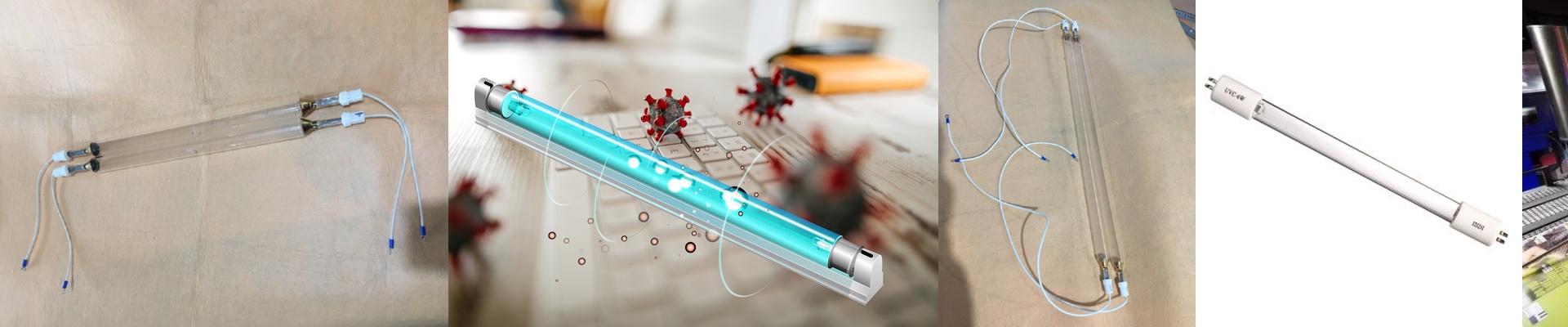
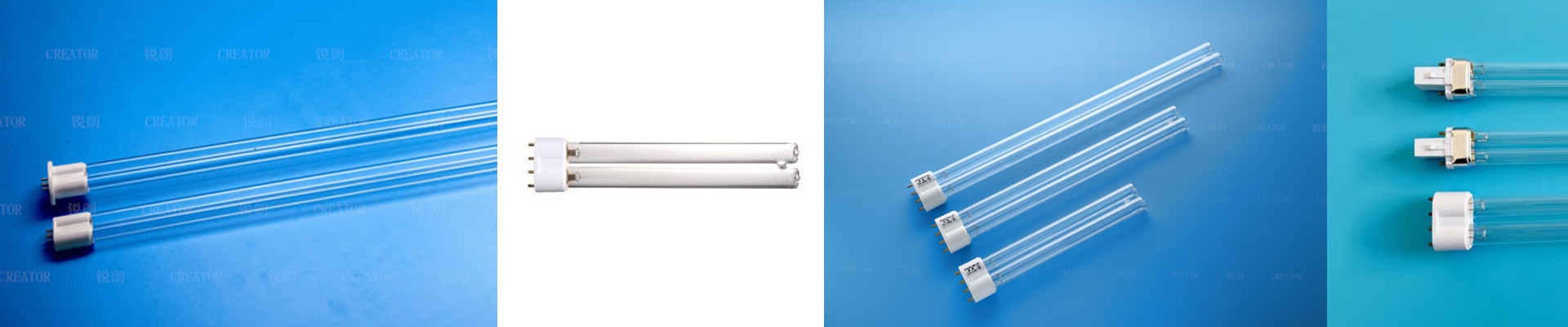
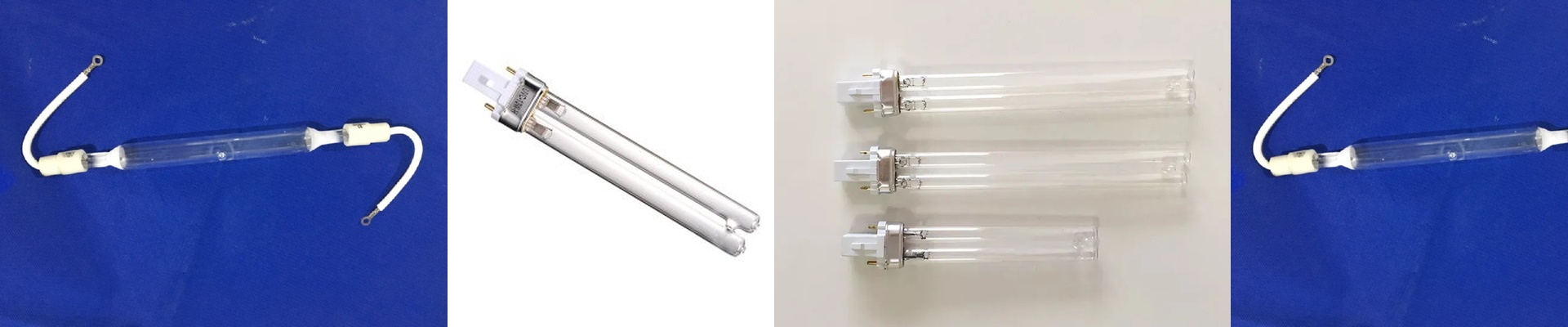
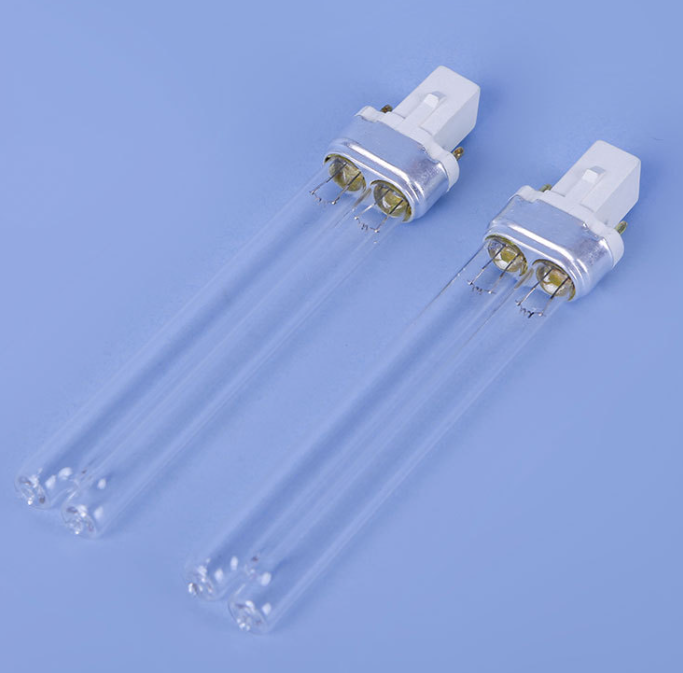
We built these UV curing lamps for one reason: to handle the tough reality of automotive paint finishing. The whole point is simple—get a rock-solid cure on those tricky, curved surfaces without ever damaging what’s underneath. That means you need total control over the energy spectrum, and that’s exactly where we put our focus. We’re obsessed with nailing the exact wavelength, so the result is a system that lives and breathes on the shop floor, not just in some lab.
Technical Deep-Dive: Power and Wavelength Control
Here’s the heart of the design: we zero in on the specific absorption peaks of automotive clear coat. No more throwing a wide net. We tune the output to match the exact wavelength the photoinitiators in modern paint need. That precision is what makes the chemical reaction happen fast and finish completely. The power supply is built to keep that wavelength steady, even through long production runs. No drift. No guesswork. So the cure profile stays locked in, which means you get the same solid result from the first part to the thousandth.
Material and Engineering: The Halogen Core
We chose a high-purity halogen element inside a quartz envelope for a reason. Quartz handles the intense heat while letting the UV through cleanly. And the halogen cycle keeps the filament clean, which extends the lamp life and stops output from fading the way standard bulbs do. The R7s connector is our go-to interface. It’s a solid, two-contact connection that handles high current without arcing. It’s also a direct swap for most industrial fixtures, so when it’s time for maintenance, the replacement is quick and painless.
Application and Real-World Trade-offs
In the paint shop, this lamp handles clear coats and primers on everything—flat panels and contoured bodywork. The focused wavelength spreads evenly, so you don’t get that tacky surface that broad-spectrum sources leave behind. Less rework. More throughput. But there’s a trade-off. The energy density is high, and that means serious heat. The fixture has to be paired with a cooling system that’s the right size. If the cooling is undersized, the lamp runs too hot. That shortens its life and risks damaging nearby components. So plan your thermal management up front—it matters.