

Technical Deep-Dive: Power, Voltage, and Dimensions
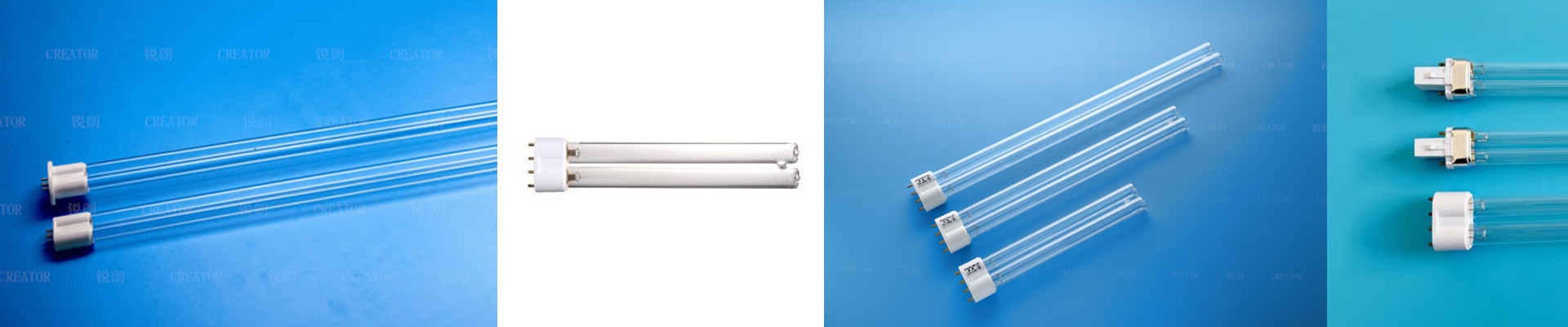
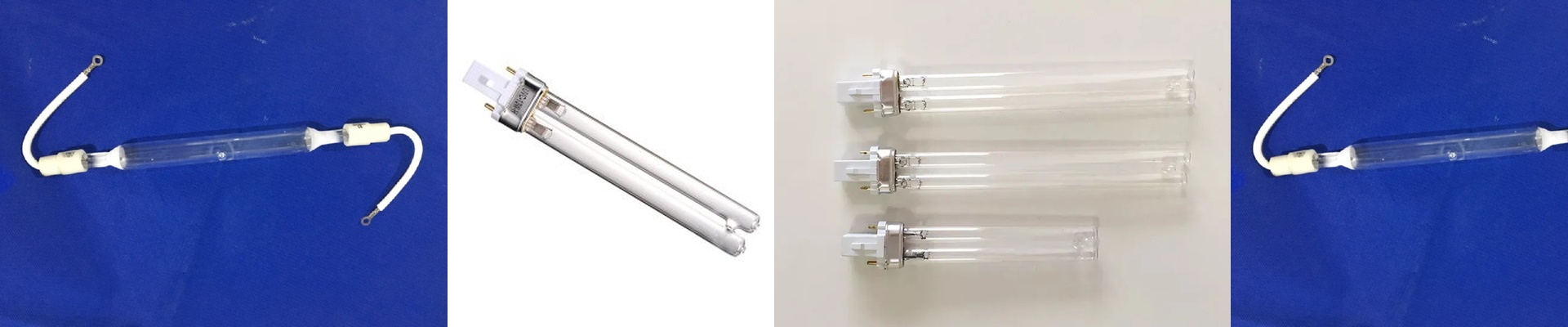
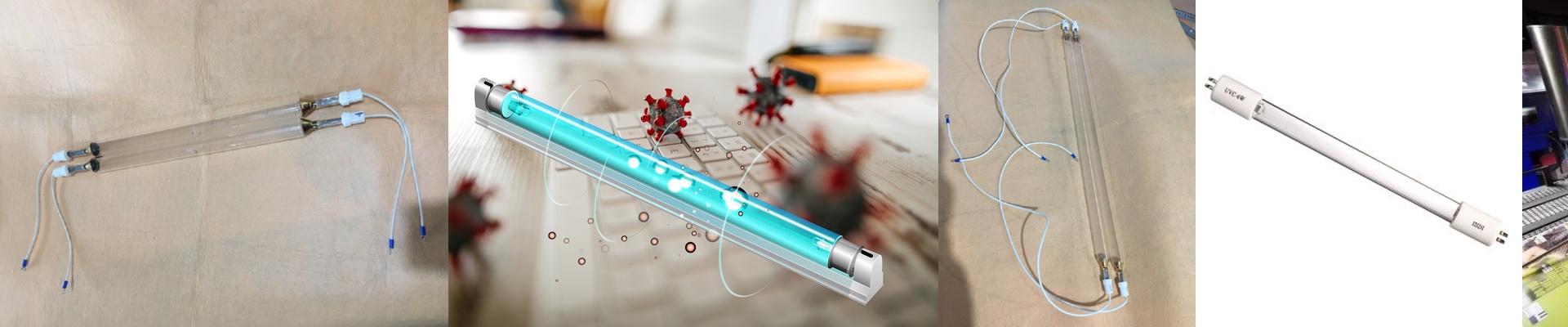
We don’t build these quartz UV lamp tubes for a quiet lab. We build them for the factory floor—for the printing house where the big presses are constantly kicking on and off. And let’s be real, that electrical environment is rough. When heavy machinery kicks in, the standard 220V lines take a hit. Voltage sags. So we spec our tubes at 400V. That extra voltage is a safety net. It guarantees the arc strikes every single time, even when other machines are gulping down power right next door. Power density is a big deal, too. We pack 2500W of output into a 300mm tube. That gives you intense, focused UV energy that cures ink fast. But here’s the catch: that kind of power puts a lot of thermal stress on the quartz body. We design the tube to handle it, but there’s a trade-off. Your machine’s cooling system has to be ready for the heat. If the airflow isn’t there, the surrounding components are going to bake.
Material & Design: The Anti-Interference Core
The secret to our anti-interference is the quartz glass itself. Standard glass? It just absorbs UV and cracks when the temperature shifts suddenly. High-purity quartz, on the other hand, lets the UV-C through and shrugs off the rapid temperature swings from a cold start to full power. Inside the tube, the halogen fill keeps the arc stable. It cuts down on flicker and holds the spectral output steady, so you get the same cure quality at the start of the shift as you do at the end. And the R7s connector? That was a deliberate choice. It gives you a rigid, two-point contact that locks the tube in place and keeps the connection solid. In a vibrating machine shop, loose pins cause micro-arcing. The R7s design stops that before it starts.
Application & Benefits: Built for the Press Room
In a busy press room, electrical noise is just a fact of life. Our quartz UV lamps don’t care. They hold their output steady, so the first sheet that comes off the press cures the same as the thousandth. For you, that means fewer rejects and less time spent chasing inconsistent cures. The tube drops right in as a replacement for standard R7s units, so installation is a quick swap. The quartz body is tough enough to take the constant thermal cycling, and the halogen fill keeps everything stable. Just keep the trade-off in mind: that 2500W density needs proper cooling. If your cabinet runs hot, get your airflow sorted before you wire it up. We don’t build these to look good on a spec sheet. We build them to keep running when the shop is maxed out.
Reality Check: The Heat Load
Running a 2500W lamp in a compact space throws off a lot of ambient heat. Make sure your machine’s cooling system can handle the extra load. If you run these tubes in an enclosed space without proper ventilation, you’re risking the life of the electronics around it. Plan the airflow now, or plan on dealing with the fallout later.