

Making UV Curing Lamps Actually Smart
For a long time, industrial UV lamps have been “set it and forget it” tools. You turn them on, they do their thing, and you hope for the best. But that’s changing. We’re moving toward a world where your lamp isn’t just a bulb—it’s a source of real-time data for your entire floor.
Why bother with remote energy monitoring?
Most shops run their UV lamps on a rigid schedule. You swap them out when the cure fails or the lamp finally kicks the bucket. The problem? That’s a gamble. You either throw away a perfectly good lamp too early, or you end up with a pile of scrapped parts because the output dipped without anyone noticing. By tracking the actual wattage and current flow, we take the guesswork out of it. You can see exactly when a lamp starts to fade. No more guessing if the resin or ink is curing properly—you just know. We make sure this data plugs right into your PLC or SCADA, turning a “blind” piece of hardware into something you can actually manage.
The nitty-gritty of the hardware
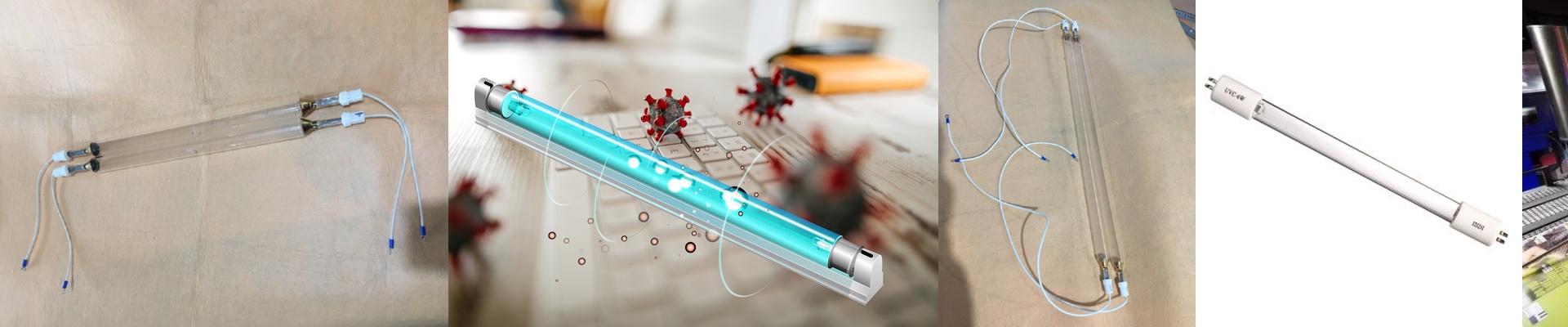
Now, here is the catch. You can’t just pop a smart lamp into an old socket and call it a day. It requires a different ballast and a bit more room for wiring. You need a controller that can handle high-frequency switching and sample power data without messing with the curing arc. It’s a bit more work during the initial setup. You’ll need a rock-solid network connection at the machine. And if your shop is full of big motors creating a lot of electrical noise, you’ll want shielded cabling. Otherwise, your data will get messy.
What this actually does for your day
The best part? You can stop walking around with handheld irradiance meters. You can check the status of every lamp from the control room. It makes changeovers way smoother. When the screen tells you a lamp has dropped 15% in efficiency, you just schedule the swap for a convenient time. No surprises. No emergency shutdowns. Just a smooth line that keeps moving.