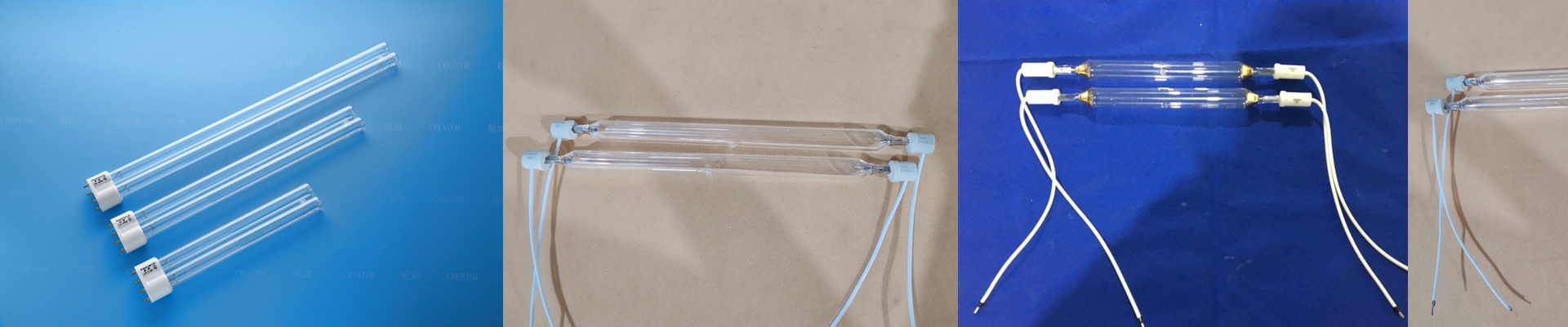
Keeping Your UV Lamps Steady When the Shop Gets Crowded
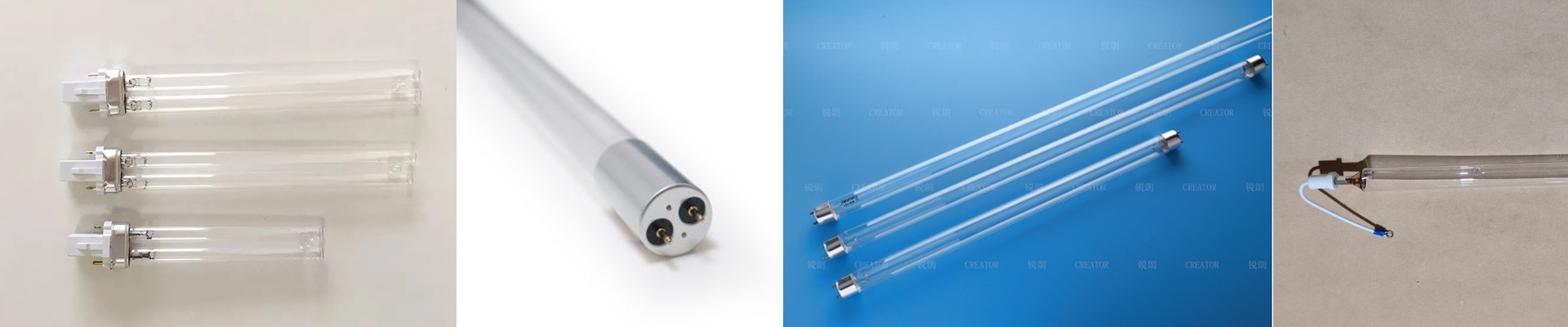
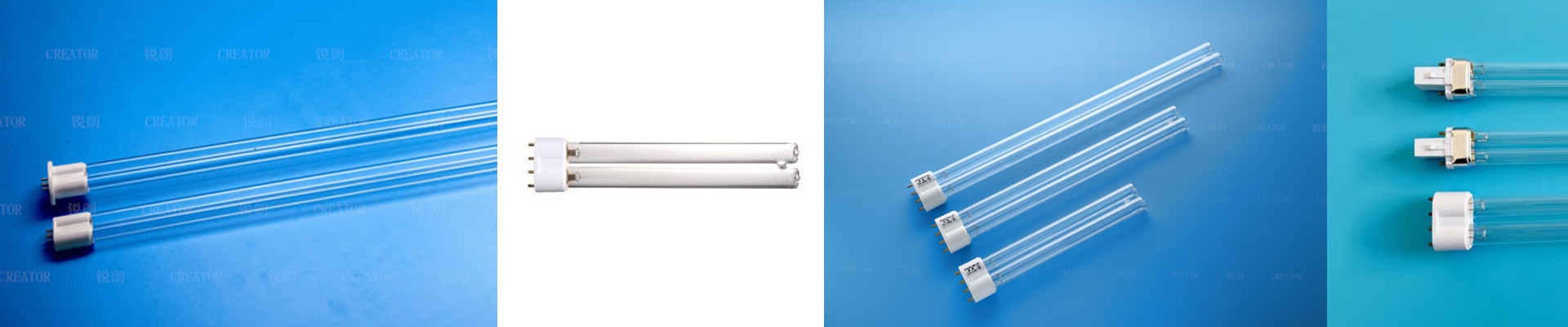
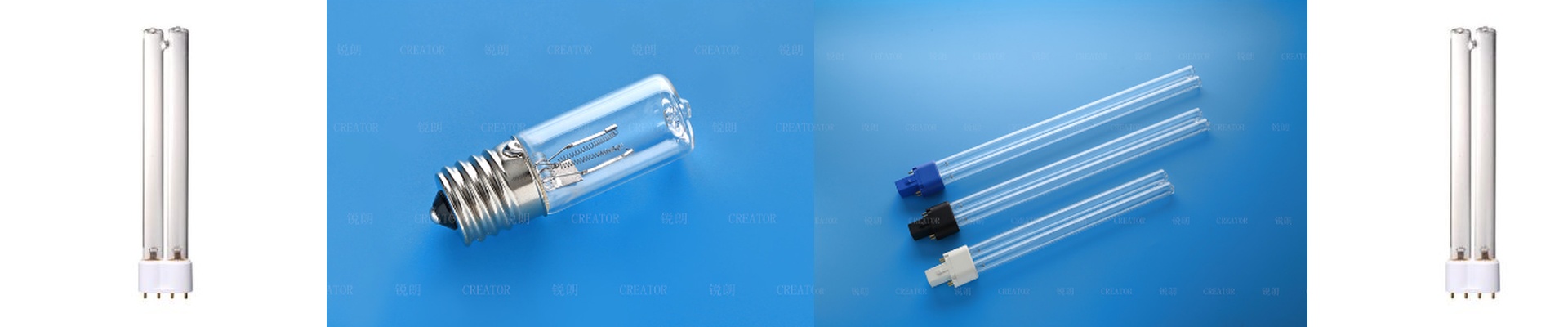
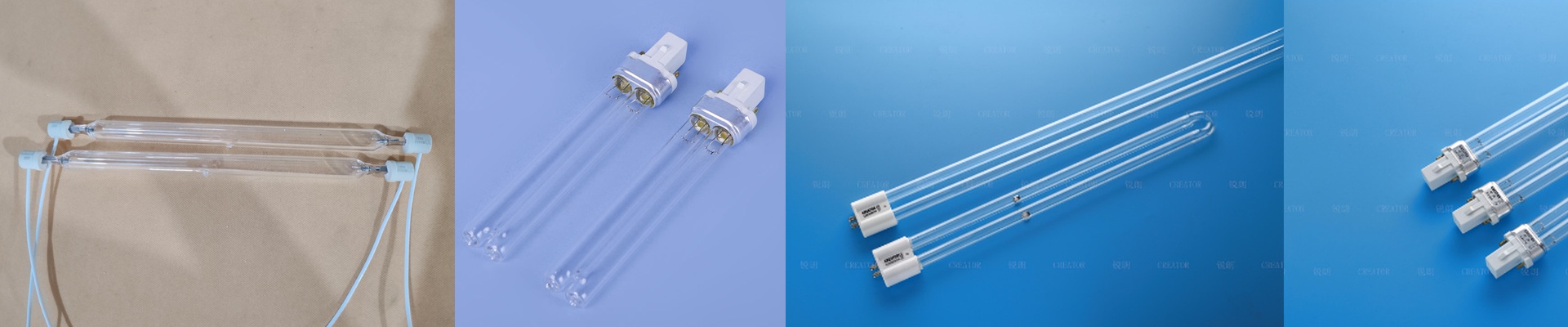
Long-life mercury UV tubes are basically the backbone of industrial printing. If you’re just running one lamp, you probably don’t have a care in the world. It just works. But things get messy when you start lining up multiple large-scale presses in one room. All that electrical load and high-frequency switching creates a kind of “electrical chaos” in the air. The headache of electrical noise When you’ve got a bunch of UV power supplies humming away on one shop floor, they create electromagnetic interference (EMI). Think of it like static on a radio, but for your hardware. That noise leaks into the circuitry. For a cheap tube, that means flickering, patchy UV output, or electrodes that just burn out way too soon. We build our tubes to ignore that noise. We spend a lot of time on the impedance matching between the tube and the ballast. The goal? Keeping that arc rock-steady, even when the power grid around it is acting up. Why you should actually care In the curing world, consistency is the only thing that matters. If your UV output dips for even a second because of some interference, you get under-cured ink. And that’s when you start seeing smudging or peeling. Not a great look. Our tubes keep a steady spectral output. We use high-purity quartz and a very specific mercury dose to stop that “flutter” you see in cheaper lamps when they’re running next to other heavy machinery. The catch Look, this kind of stability isn’t magic. It takes a bit of work. To get this level of resistance, you need your ballast tuned just right. You can’t just toss these into any old generic power supply and expect a miracle. If your ballast is ancient or poorly shielded, you’re not going to feel the full benefit. But when it’s set up right? These tubes can take a real beating in 24/7 production cycles. By cutting out the stress from electrical noise, the electrodes simply last longer. That means you spend less time climbing around swapping lamps and more time actually running your press.