

Getting the Most Out of Your 120W/cm Mercury UV Lamp
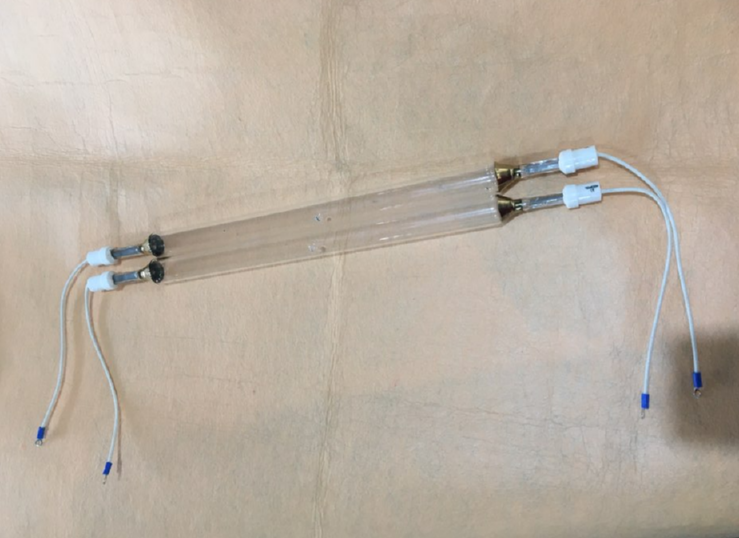
When you’re running a high-speed curing line, throughput is everything. That’s why we built the 120W/cm mercury lamp. It’s not just a light bulb—it’s a concentrated blast of energy designed to snap photopolymerization into gear in a matter of seconds. The heat is the real story here. Packing 120W into every single centimeter means you’re getting an incredible amount of power in a tiny space. It’s great for punching through thick inks or heavy coatings, which means your cure times drop significantly. But there’s a catch. Something this powerful puts out a ton of infrared energy. If your cooling fans or water jackets aren’t up to the task, you’re going to have problems. You might scorch your materials or, worse, kill the lamp way before its time. Keep it cool, and it’ll keep working. The science under the hood We rely on a mercury-discharge medium to hit that 254nm emission line. Most industrial UV resins love this wavelength. To stop the lamp from flickering or losing its punch as it gets older, we spend a lot of time tweaking the internal pressure and the gas mix. We’ve also spent 15 years obsessing over the quartz envelope. We wanted to stop “solarization”—that annoying thing where the glass turns cloudy and starts blocking the UV light. Now, it holds up even under the heaviest loads. Setting it up without the headaches These are designed to slide right into most international standard systems. We’ve focused heavily on the electrodes so they don’t burn out the moment you hit the switch. Just one tip: check your ballast. Make sure the operating current matches exactly. If it’s too low, you’ll end up with a tacky, half-cured surface. Too high? You’ll blow the electrodes. As long as you’ve got your thermal management sorted, these things are built to take a beating in 24/7 production environments. They just keep humming along.