

How UV Curing Actually Works in Your Textile Shop
Think of UV lamps as the unsung heroes of the garment world. They’re the ones doing the heavy lifting behind the scenes—bonding, printing, and finishing—without anyone really noticing. Basically, we’re using a specific burst of energy to trigger a chemical reaction. It takes a liquid and turns it into a solid in a matter of seconds. It’s almost like magic, but it’s just science.
From Ink to the Final Touch
When you’re printing, speed is everything. With UV lamps, the ink sets instantly. No bleeding, no smudging, and no waiting around. The best part? You aren’t blasting the fabric with heat. If you use those old-school thermal dryers, you’re always playing a guessing game with shrinkage. UV uses “cold light,” so your fabric stays exactly the way it should. Then you’ve got the functional stuff—the waterproof layers or those grippy surfaces on athletic gear. The UV light locks that coating onto the fabric so tightly that it won’t peel, even after your customer throws it through the wash a hundred times.
Picking the Right Lamp
Here is the tricky part: balancing your line speed. If you want to crank up the conveyor belt and move more product, you need more wattage. It’s a simple trade-off. You’re balancing how intense the light is against how long the fabric is actually under the lamp. But you have to be careful. Even though we call it “cold light,” high-intensity lamps still put out heat. If your cooling fans aren’t up to the task, you’ll end up warping your polyester or nylon. It’s a balancing act: more power gets you more product, but you’ve got to keep things cool.
Keeping Things Running
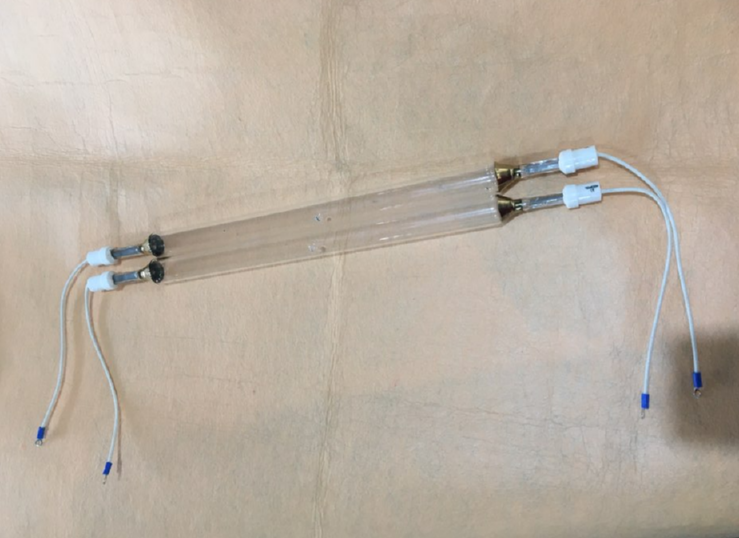
UV lamps don’t last forever. They wear down, the output drops, and eventually, they just lose their punch. I always tell people to keep a close eye on their operating hours. If the intensity dips too low, your coatings will stay tacky. And nobody wants to deal with a whole batch of sticky, defective fabric. Replacing the tube is a breeze—just pop the old one out and drop the new one in. But do yourself a favor:**clean the reflector.**A dusty reflector kills your efficiency and wastes energy. It’s a small job that makes a huge difference.