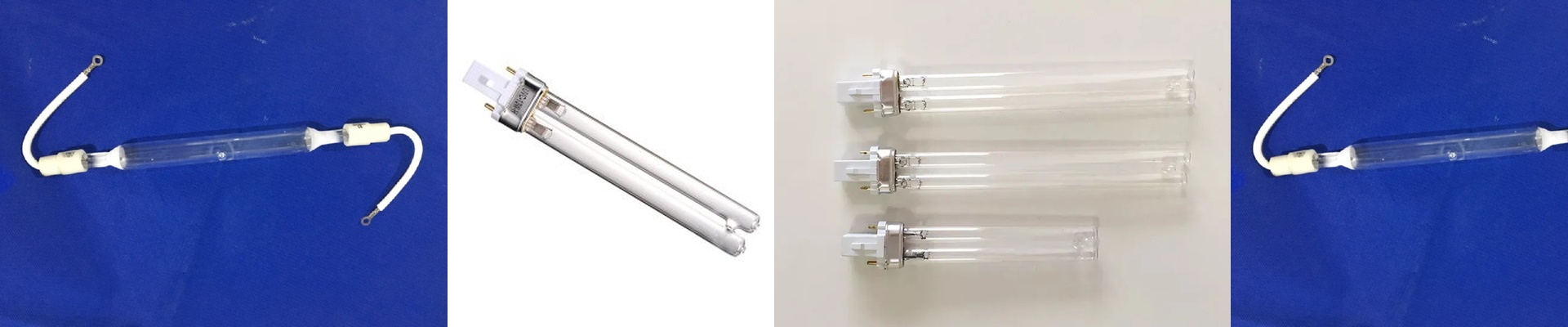


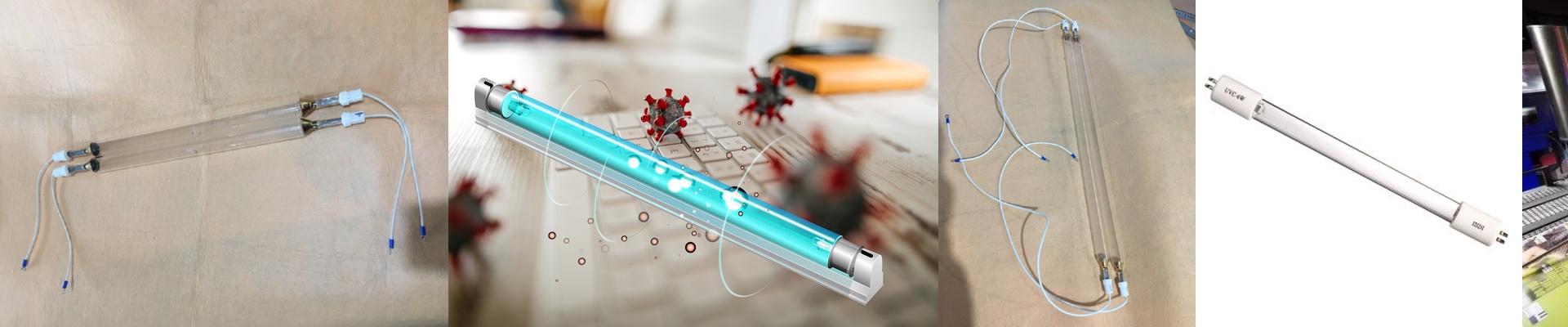
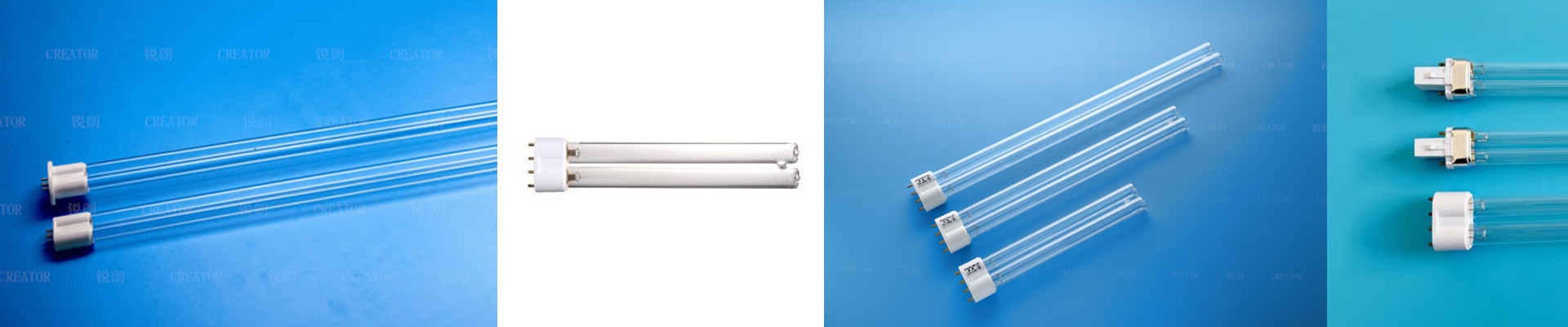
We’ve spent a lot of time on the road—visiting about 3,000 printing plants—and we noticed something frustrating. There is a massive gap between what the lamp brochure says and how the thing actually performs on the shop floor. The truth is, you don’t just need a “better” lamp. You need a setup that actually understands how fast your line is moving and how much heat your materials can take before they ruin. Getting the cure right Most curing fails for one simple reason: the power density doesn’t match the ink’s photo-initiator. It’s a balancing act. If you cram too many watts into a short-wave UV lamp without giving it enough breathing room, you’re going to scorch your paper or PET. It’s a nightmare. We focus on the actual Joules per square centimeter ($\text{J}/\text{cm}^2$) because that’s what matters. It stops that annoying “skin-over” effect where the top looks dry, but the ink underneath is still wet. Fighting the heat Industrial lamps take a beating. Between the constant vibration and the searing heat, things break. We use quartz glass with specific dopants to shift the emission spectrum. Basically, we make sure the energy actually hits the ink instead of just heating up the machine frame. But there’s a catch: cooling. High-intensity lamps put out a ton of infrared heat. If your fans or water jackets aren’t up to the task, the lamp burns out way too early or—even worse—your substrates start to warp. We design our reflectors to bounce the UV back where it belongs while kicking the heat away from the electronics. Keeping it simple We build these to be drop-in replacements. No fuss. The wiring and connectors are beefy enough to handle high current without getting hot at the terminals. And we kept the footprint simple. Why? Because your technician should be able to swap a lamp in ten minutes without having to spend an hour recalibrating the conveyor height. We’d rather give you steady, reliable stability than some theoretical “peak output” that fluctuates. That way, the ten-thousandth sheet looks exactly like the first one.