

Stop Guessing With Your UV Lamps
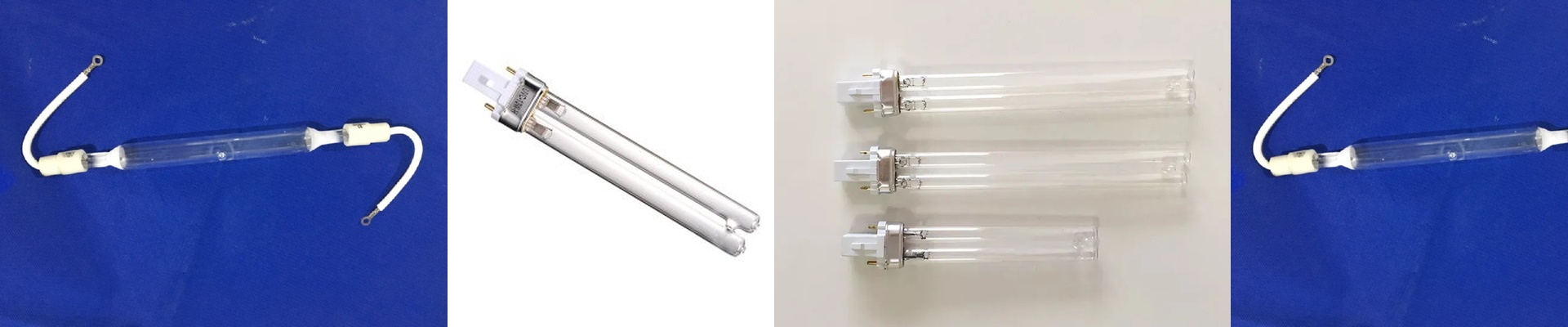
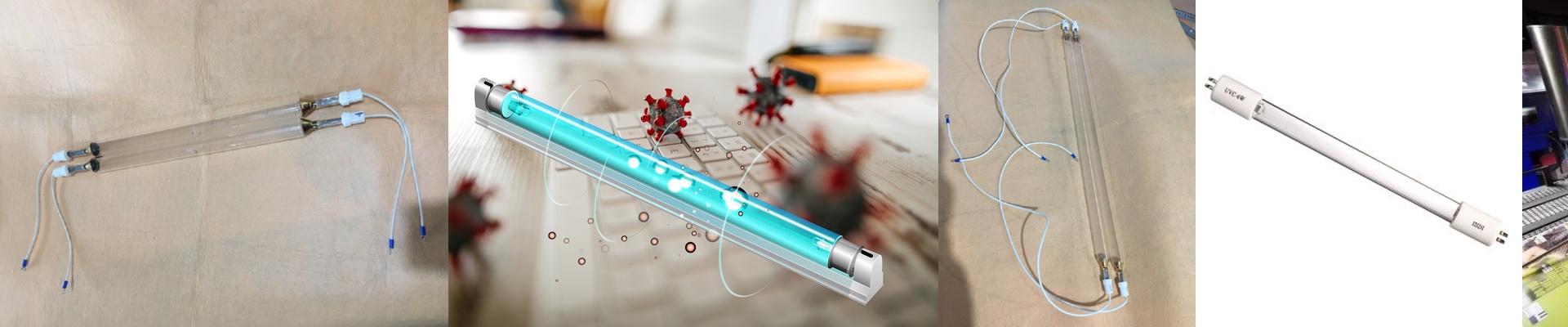
Let’s be honest: most UV lamps are basically blind. You flip the switch, assume they’re hitting the right wavelength and intensity, and just hope for the best. You don’t actually know there’s a problem until a part fails or a quality check catches a mistake that should have been caught hours ago. That’s a stressful way to run a line. So, we decided to fix it by building energy monitoring right into the lamp’s power setup.
Moving Past the Hour-Meter
If you’re like most of us, you’ve probably relied on manual hour-meters to track lamp life. It’s a guessing game. We’re changing that. By tucking sensors inside to track voltage and current in real-time, you can stop replacing lamps just because a calendar told you to. Instead, you can actually see when a lamp starts to drift. You get a heads-up before it burns out. Plus, all that data hits one central dashboard, so you can keep an eye on your entire production line without having to walk the floor every ten minutes.
The Nitty-Gritty of the Hardware
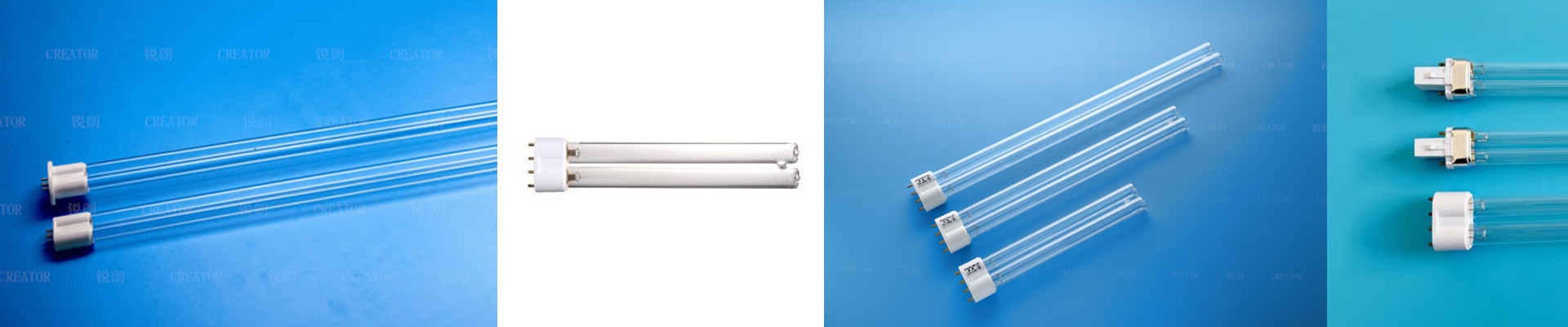
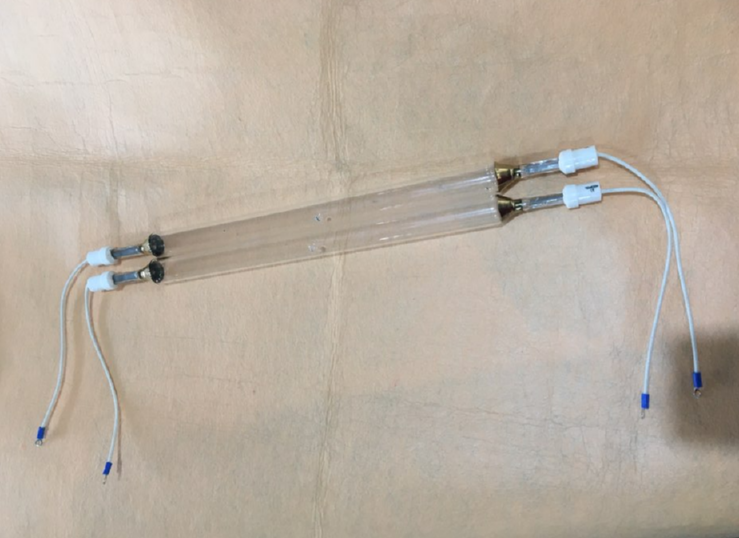
Making a lamp “smart” means the lamp and the ballast have to talk to each other a lot more. We can tweak the wattage and length to fit your exact space, but there is a trade-off: the wiring gets a bit more crowded. When you’re planning your control cabinet, just make sure you’ve left enough room for the data cables to sit alongside the high-voltage lines. And here’s a technical detail: adding sensors can sometimes cause a tiny dip in voltage. We’ve handled that by using higher-grade quartz envelopes and better electrodes. It keeps the UV-C output rock solid, even with the extra telemetry running in the background.
What This Actually Means for Your Day
For the engineers who spend their lives on high-volume sterilization or curing lines, this is about peace of mind. No more tossing lamps too early and wasting budget. No more swapping them too late and risking contaminated product. It turns a basic consumable part into a source of intel. If you see an energy spike, you know your ballast is acting up before the tube actually pops. It’s just a cleaner, quieter way to work.