

Getting the Most Out of Custom Gallium Iodide UV Lamps
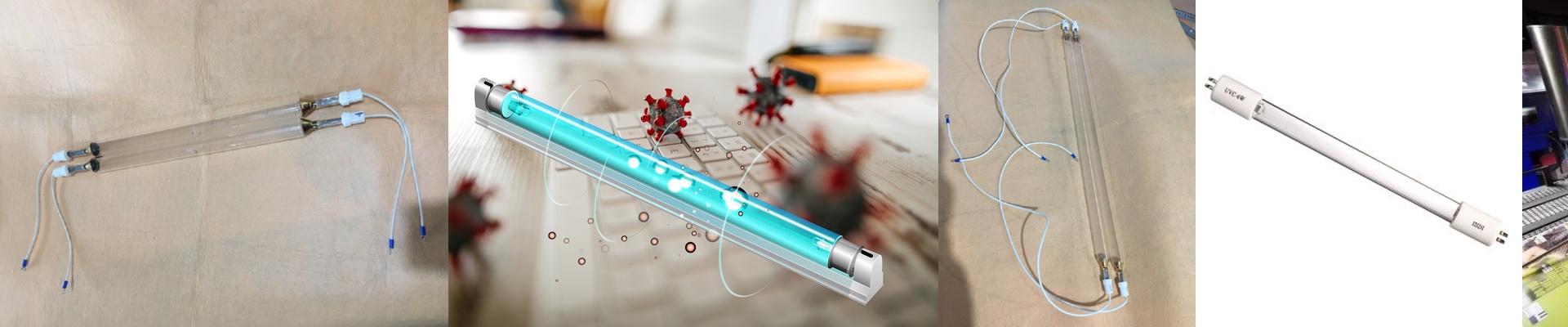
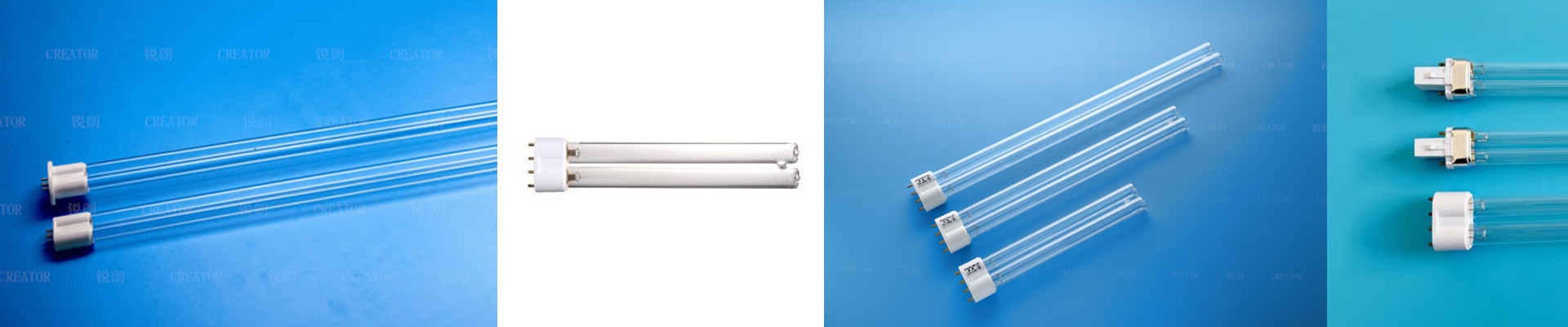
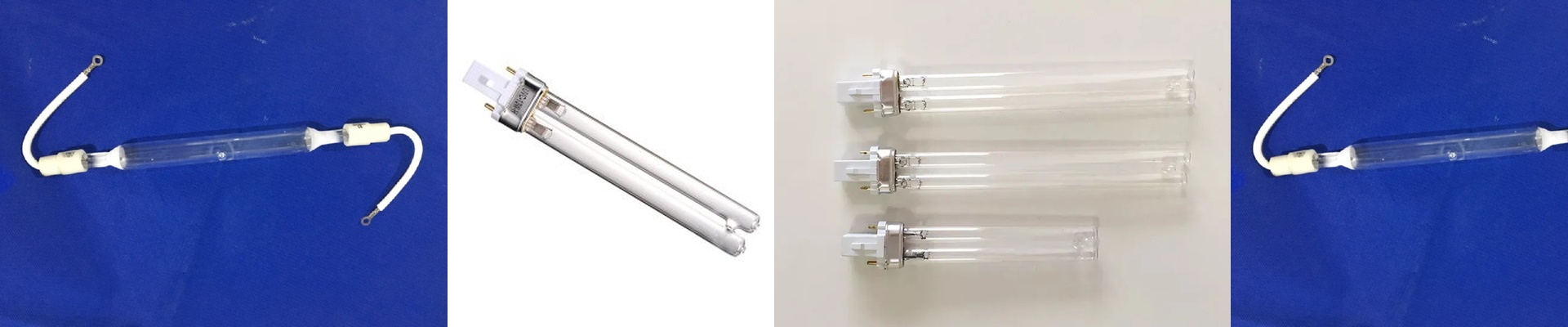
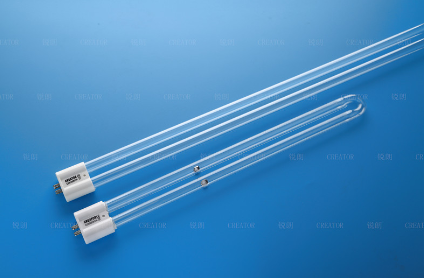
Standard mercury lamps are fine for basic jobs, but sometimes they just don’t cut it. That’s where Gallium Iodide (GaI) comes in. We build these tubes to hit those tricky wavelengths—usually between 300nm and 400nm—which is exactly what you need when you’re dealing with deep-curing resins or high-end semiconductor work. Why it actually works Adding gallium iodide changes the chemistry inside the quartz tube. The result? A much stronger punch of long-wave UV. Think of it this way: where a standard lamp might just bounce off the surface, these lamps actually sink in. They penetrate thick coatings. If your photoresist needs a dead-on 365nm peak, we just tweak the gas mix until it hits that mark perfectly. The build (and the heat) We use high-purity fused quartz. Why? Because we don’t want the tube soaking up its own light. But here’s the catch: these things runhot. Really hot. To keep the ends from burning out, we use reinforced electrodes. But you’ve got to do your part, too. Make sure your housing has plenty of airflow. If your cooling system isn’t up to the task, that quartz envelope is going to stress out and crack under the pressure. Keeping costs down Most people expect “specialty lamps” to come with a massive price hike. We handle things differently. We own the whole line. We do the quartz blowing and the gas filling ourselves. By cutting out the middlemen and the markups on raw gallium, we can give you a drop-in replacement that works without draining your budget. The trade-off I’ll be honest with you: there’s a give-and-take here. The more gallium we add to boost that UV output, the shorter the lamp’s overall lifespan tends to be compared to a basic mercury tube. You’ll be replacing them a bit more often. To help with that, we optimize the voltage to stop the electrodes from sputtering. It’s a simple fix that keeps the tubes running longer in a busy industrial setting.