

Getting the Light Right: Why Gallium Iodide Matters for Your PCBs
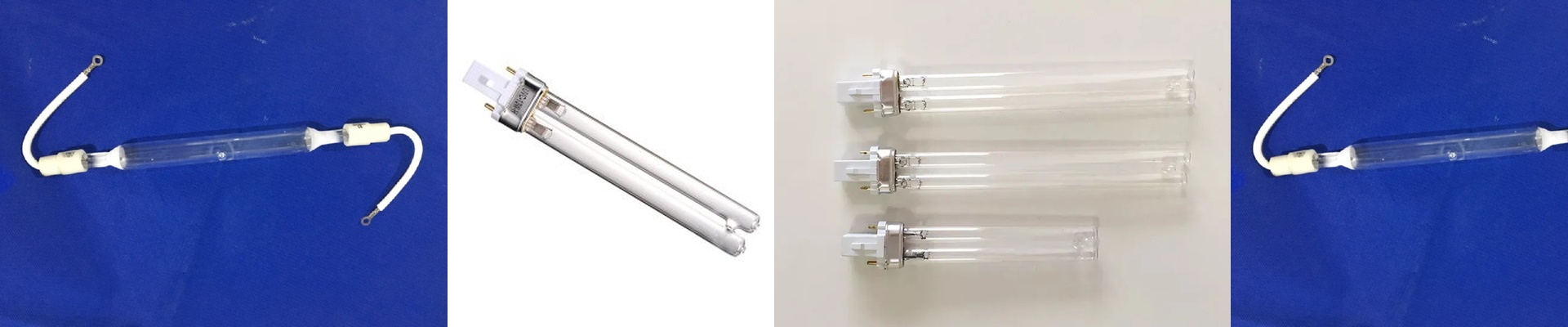
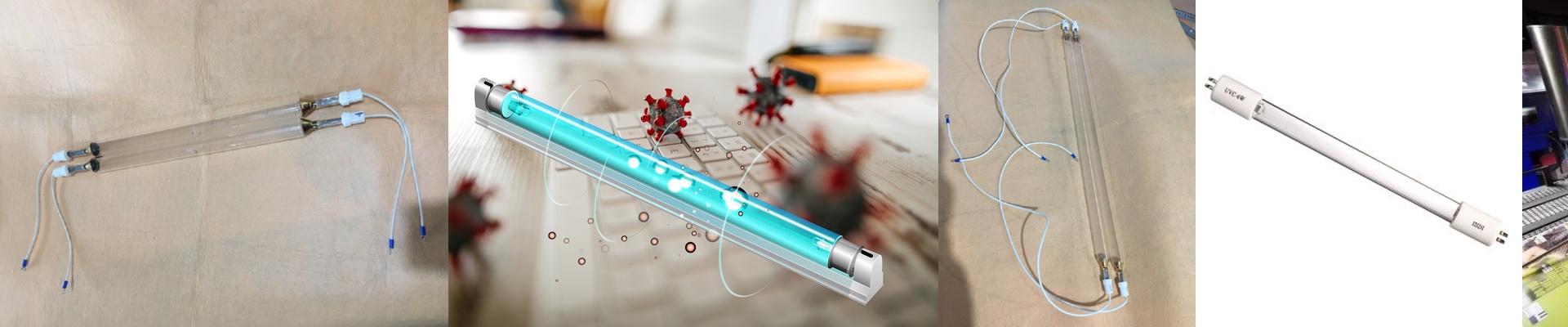
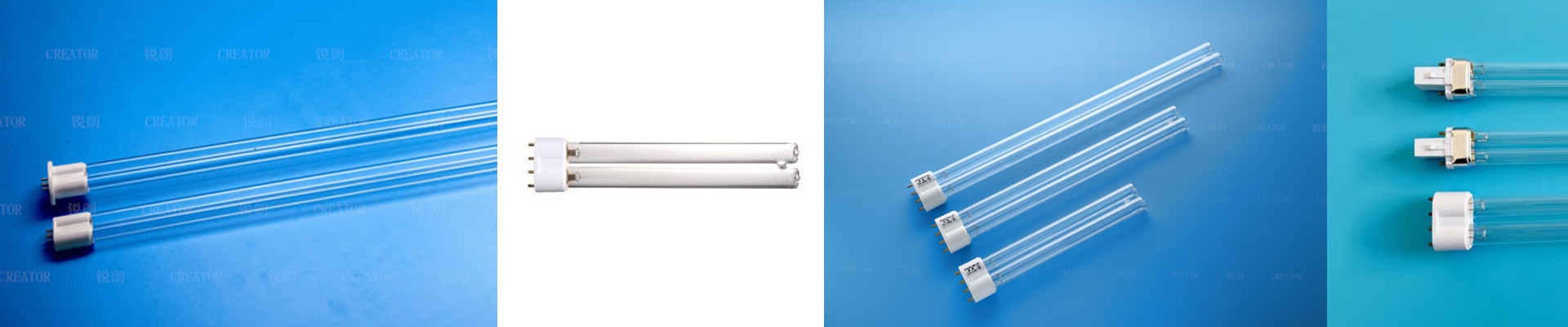
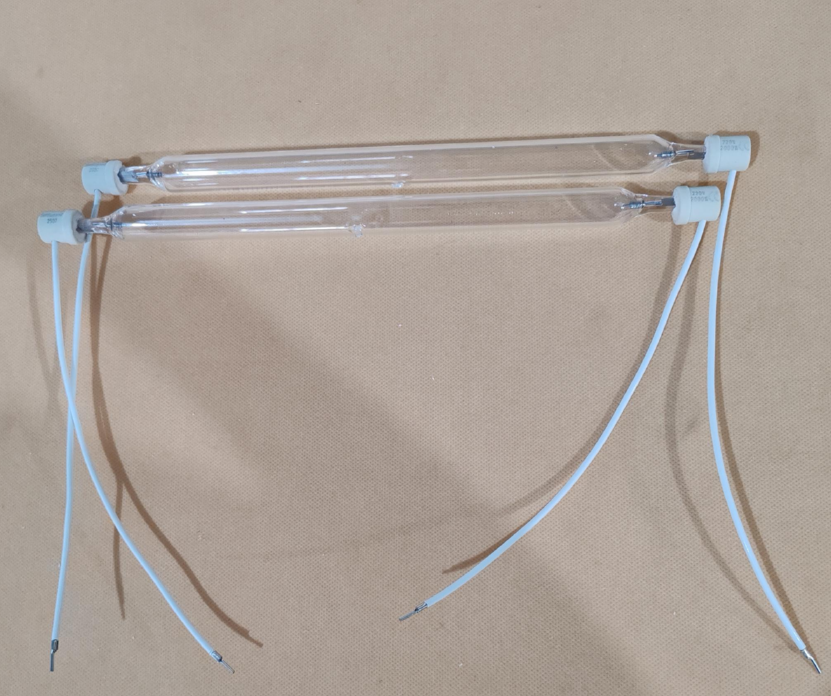
When you’re running a PCB line, curing is about a lot more than just cranking up the heat. It’s really about hitting the right notes with your light. That’s where Gallium Iodide (GaI) lamps come in. Instead of blasting the whole board with random energy, these lamps target the specific UV wavelengths your photoresist actually needs to react. It’s the difference between a floodlight and a laser. You get those crisp, high-resolution patterns without the guesswork. The physics part (made simple) Standard infrared lamps are basically heaters that happen to give off some light. Most of that energy is wasted. GaI lamps flip that logic. They push the energy into the short-wave UV spectrum. The beauty of this is that you can trigger the chemical reaction in the photoresist without accidentally baking your substrate. No one wants a warped board. By keeping the heat in check, your line-widths stay sharp and your tolerances stay tight. Fitting them into your shop We’ve built these to slide right into your existing exposure frames. No need to rebuild your entire setup. But here’s a heads-up: these units love a high-intensity burst. You’ve got to make sure your power supply can handle that initial “kick” when the lamps strike. If your wiring is too thin, you’ll get voltage drops. That leads to uneven curing, and suddenly you’re looking at a pile of scrap. We also use high-purity quartz glass for the envelope. Why? Because regular glass eats UV rays for breakfast. Quartz lets the light pass right through. Plus, we made the connectors easy to swap. When a tube finally burns out, you can pop a new one in and get back to work without tearing your whole line apart. The trade-off Nothing is free. All that intense UV output creates a lot of heat in the housing. You can’t just run these at 100% and hope for the best. You need a real cooling plan. If your exhaust fans quit or your chilled water loop starts lagging, your lamp life will plummet. Keep a close eye on your operating temps. It’s a small bit of effort that saves you from premature filament failure and keeps your output steady.