
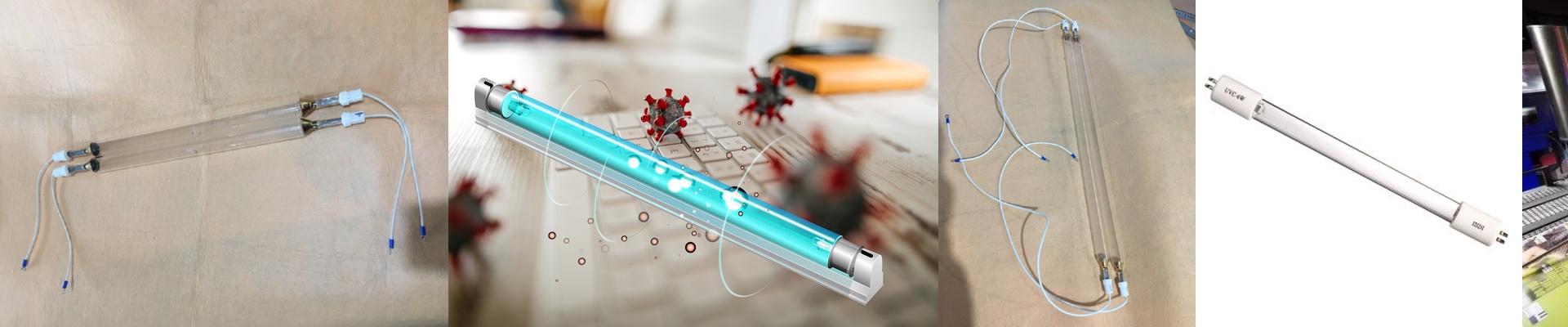
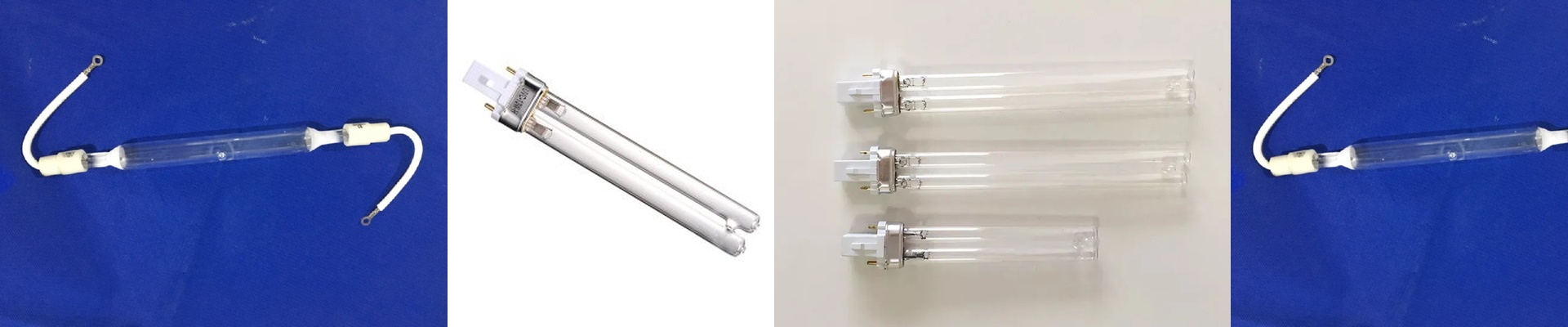

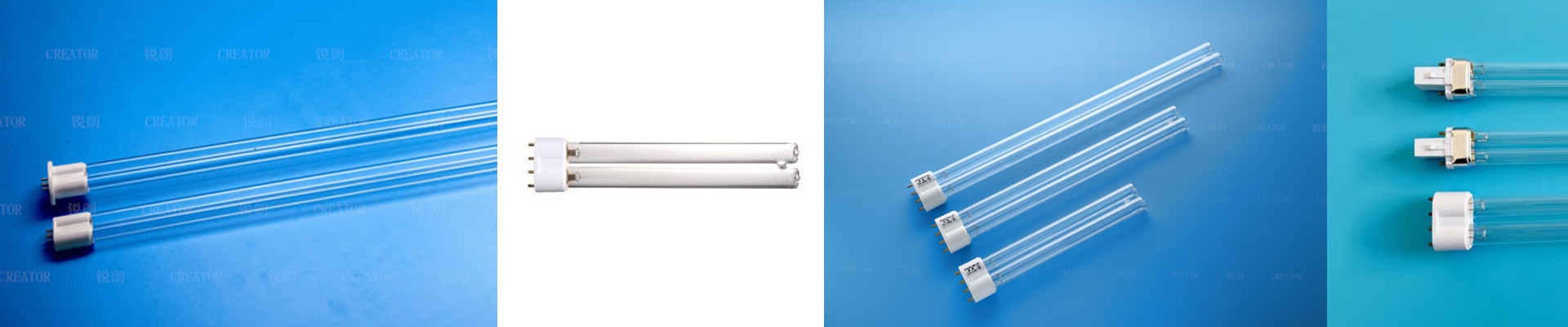
Getting the Most Out of 80W/cm Mercury UV Lamps
If you’ve spent any time on a textile production floor, you know that mercury UV lamps are basically the heavy lifters of the whole operation. Most people think these lamps are just “drying” the fabric. But it’s actually a bit more intense than that. You’re triggering a chemical reaction—photopolymerization—that turns liquid resins into rock-solid bonds in a matter of seconds.
The Deal With Power Density
When we talk about 80W/cm, we’re talking about linear power density. Basically, it’s about cramming a lot of energy into a very small space. Why does that matter? Because you need that UV radiation to punch through deep into the fibers or thick layers of ink. If you go with a lower wattage, the curing slows down. And when the cure slows down, your entire line speed crashes. That’s a nightmare for your deadlines. But there’s a catch. All that power creates a ton of heat. You’ve got to get your cooling fans or water-jackets exactly right. If the lamp gets too hot, the UV output dips and the bulb dies way faster than it should. It’s a balancing act between speed and temperature.
Why Mercury Vapor?
We stick with mercury vapor because it covers a wide spectrum. In the textile world, you’re often dealing with all sorts of different inks and coatings, and each one needs a slightly different “push” to cure. Mercury handles that variety easily. Plus, the quartz envelope is key here. It lets the UVC and UVB wavelengths slide right through without the glass soaking them up. Just a heads-up: these aren’t exactly “plug and play.” You’ll need the right ballasts to handle the strike voltage and keep the arc stable, otherwise, you’re just wasting your time.
The Real-World Trade-off
Here’s the thing: these lamps are beasts, but they don’t last forever. Eventually, the mercury vapor wears out and the quartz starts to solarize. The tricky part is that the lamps don’t always just “pop” and go dark. Usually, the cure quality just starts to slip. You might not even notice it until a batch of fabric fails QC. My advice? Don’t wait for the product to fail. **Track your hours.**Keep a log for every single tube and swap them out on a strict schedule. It’s a lot cheaper to replace a lamp on a Tuesday morning than it is to deal with a total line shutdown and a mountain of wasted fabric.