

How We Built Our Modular UV Curing System
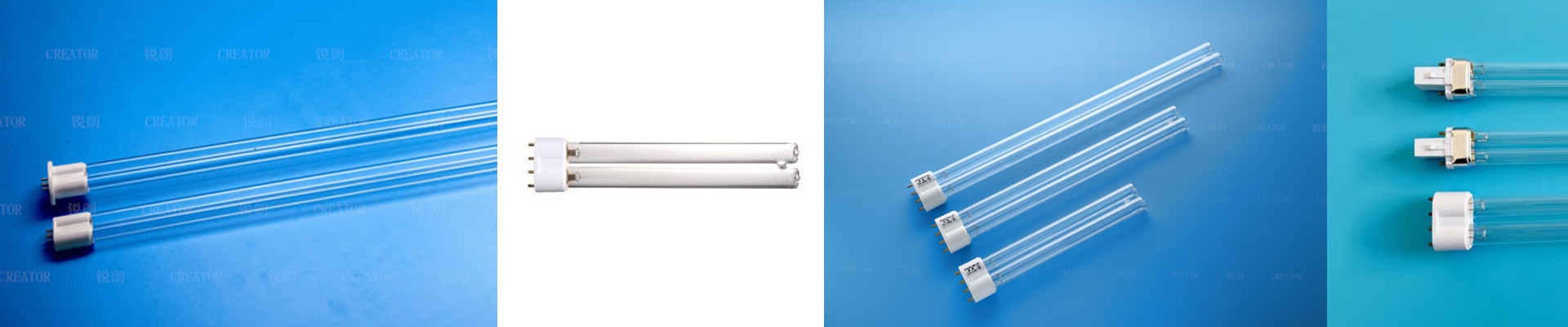
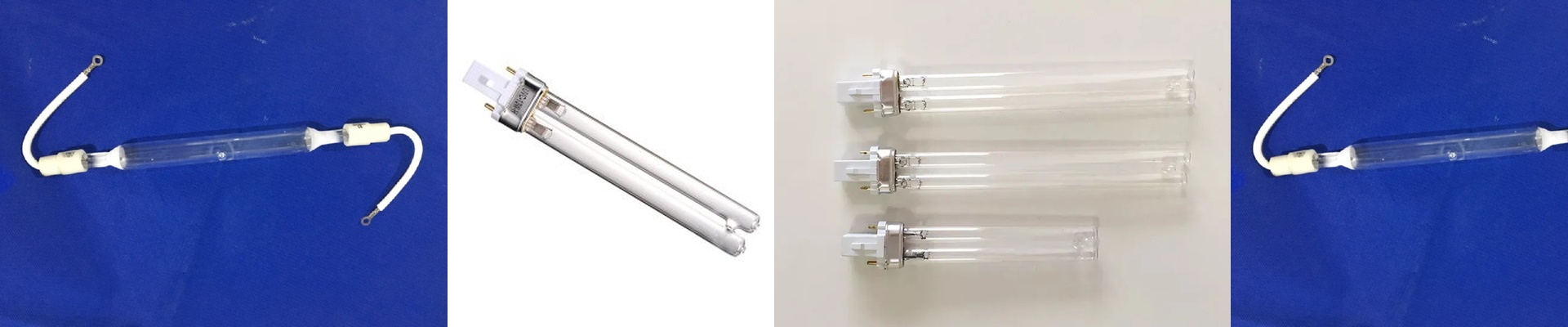
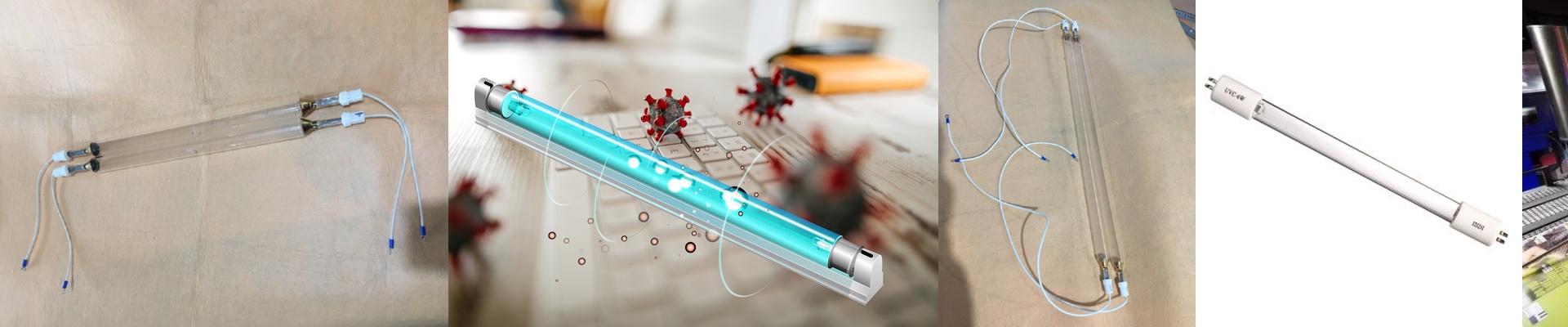
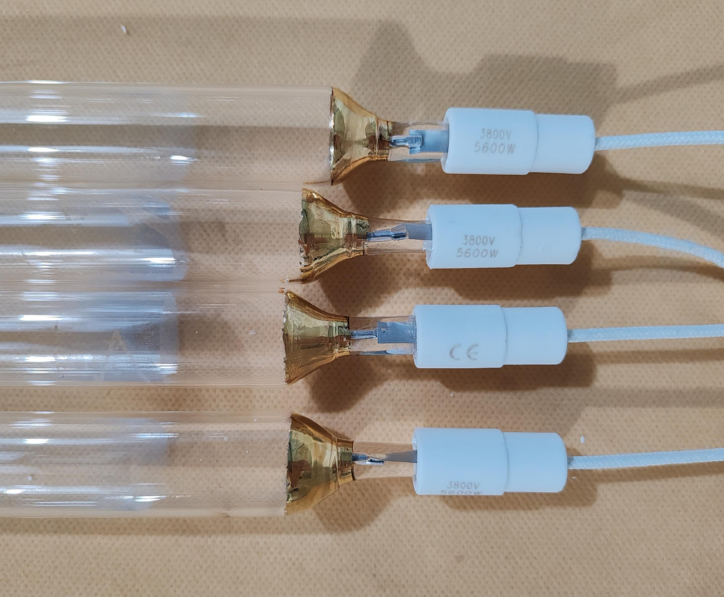
For 15 years, we played the middleman. We did OEM white-label production, but we always felt something was missing. We wanted to build our own modular UV curing systems—something that could go toe-to-toe with the big international brands in terms of power and lifespan, but without that annoying “proprietary lock-in” where you’re forced to buy every single tiny part from one expensive vendor. The idea behind the modular setup is pretty simple. You scale your curing power based on how fast your line is moving. We went with a plug-and-play design. So, if you decide to speed up your conveyor, you don’t have to rip out the whole chassis and start over. You just snap in more lamp modules. It’s that easy. But here’s the tricky part: heat. High-intensity UV lamps get incredibly hot. If the housing can’t get rid of that heat fast enough, your bulbs are going to burn out way sooner than they should. To fix that, we used extruded aluminum heat sinks. It keeps the temperature steady so the gear doesn’t cook itself. Let’s talk specs, but without the boring manual talk. We’re mostly focused on wavelength stability, usually staying between 365nm and 395nm for those deep-cure jobs. We use high-purity quartz glass for the envelopes because it lets the maximum amount of UV light through. Now, you have to find a balance between power and cooling. A high-wattage module cures things fast, sure. But it also puts a lot of stress on your electrical panel and your fans. If your shop floor gets sweltering—say, around 40°C—you’ll want to over-spec your cooling. Otherwise, your ballasts might just trip and shut everything down right when you’re in the middle of a run. Maintenance shouldn’t be a headache. We designed these so you can swap parts on the fly. When a lamp dies, you pull it out, wire in a new one, and you’re back in business in a few minutes. No complex recalibration, no staring at a manual for an hour. It saves a ton of downtime during shift changes. We also stopped using those fragile connectors that always seem to break at the worst time. The new interfaces are built to take a beating. They don’t loosen up, even with the constant vibration of heavy machinery humming in the background. Plus, they’re basically drop-in replacements for most standard industrial UV racks, so you don’t have to reinvent your entire floor layout.