

Getting Your UV Curing Right for 2026
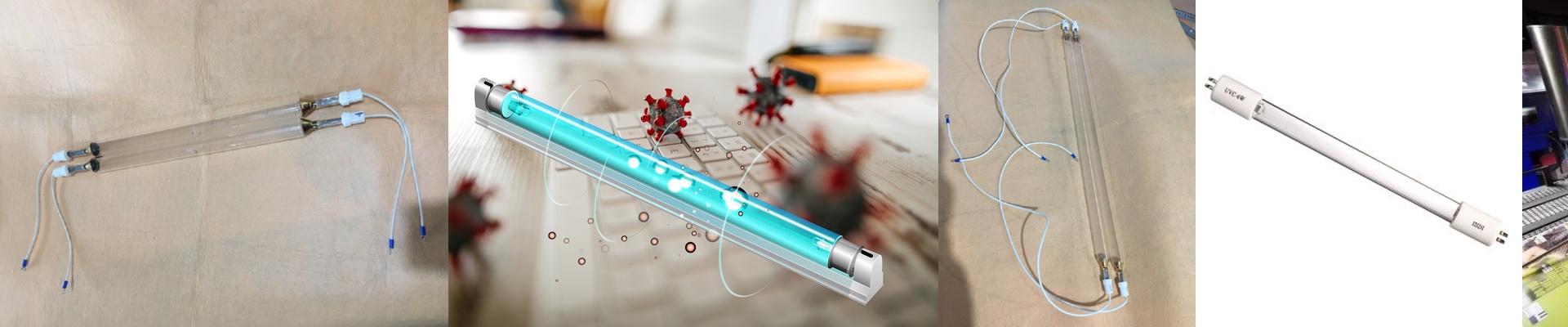
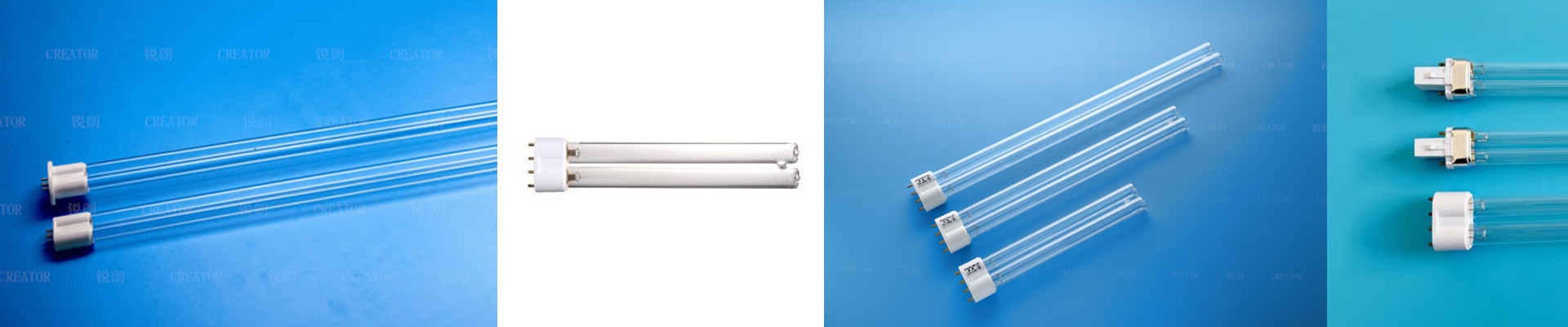
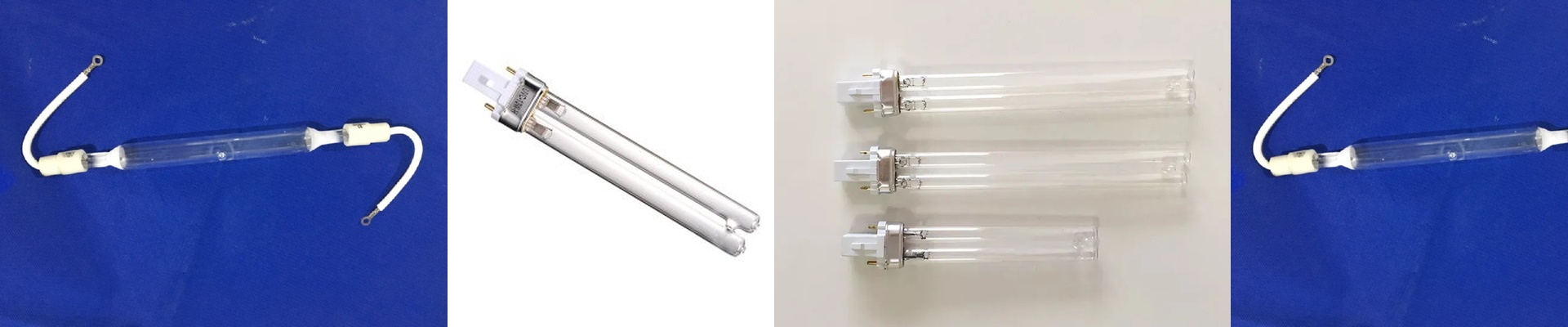
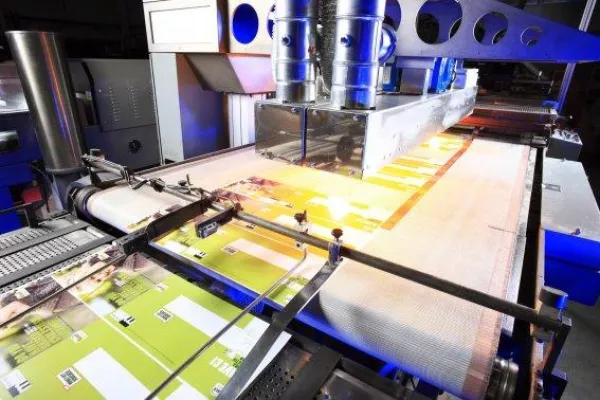
The UV lamp world is changing. Everything is about tighter tolerances and pushing for more power. When we build custom lamps, we aren’t just throwing parts together—we’re looking at the light spectrum and the actual physical space you have. The goal is to slide these into your existing tunnels so you don’t have to rip out your entire machine and start over.
The real science of the cure
Here’s the thing: curing only works if the lamp’s light peaks hit the exact same spot as the photoinitiator in your ink. If they don’t line up, you’re just wasting electricity. We pick our tubes to hit those specific nanometer ranges. Now, cranking up the wattage helps you move more product through the line, but it puts a lot of stress on the quartz. If you’re pushing for max power, your cooling fans have to be on point. If they can’t pull the heat away fast enough, the tube burns out early and the light shifts. It’s a delicate balance.
Making it actually fit
We design these as drop-in replacements. That means we match your length and your connectors exactly. Whether you’re dealing with a specific voltage for your ballast or a tight conveyor belt, the geometry has to be spot on. A gap of just a few millimeters at the connector can lead to arcing or a bad electrical connection. Nobody wants to deal with that.
How we know it’s working
We don’t care about fancy charts; we care about the material. We look at the cross-link density. If the surface feels tacky or the cure isn’t deep enough, the lamp isn’t doing its job. Simple as that. We put our custom builds up against the big global brands. Our goal is to give you the same mW/cm² output without the brand-name markup. If it doesn’t perform at that level, we’ll give you your money back. At the end of the day, this isn’t a marketing pitch. It’s just chemistry.