

Why Most UV Lamps Fail (And How We Fixed Ours)
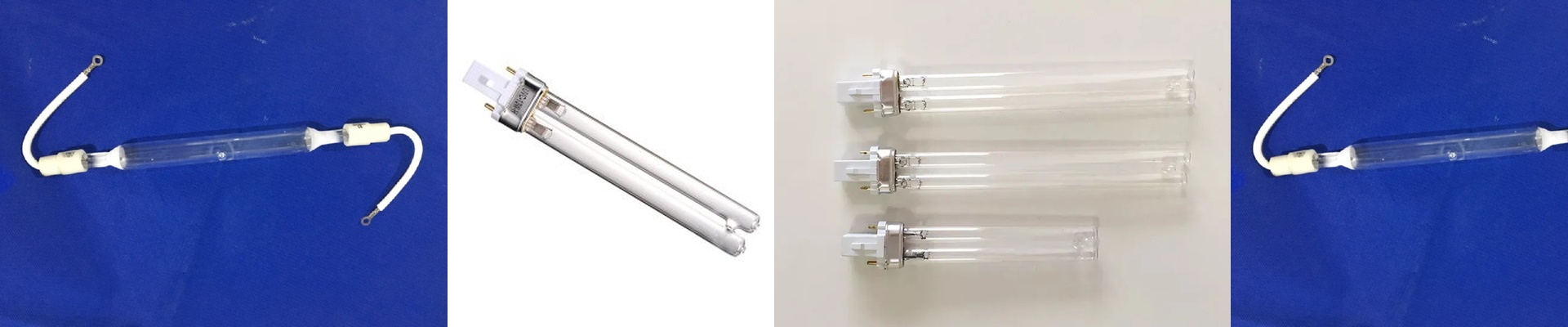
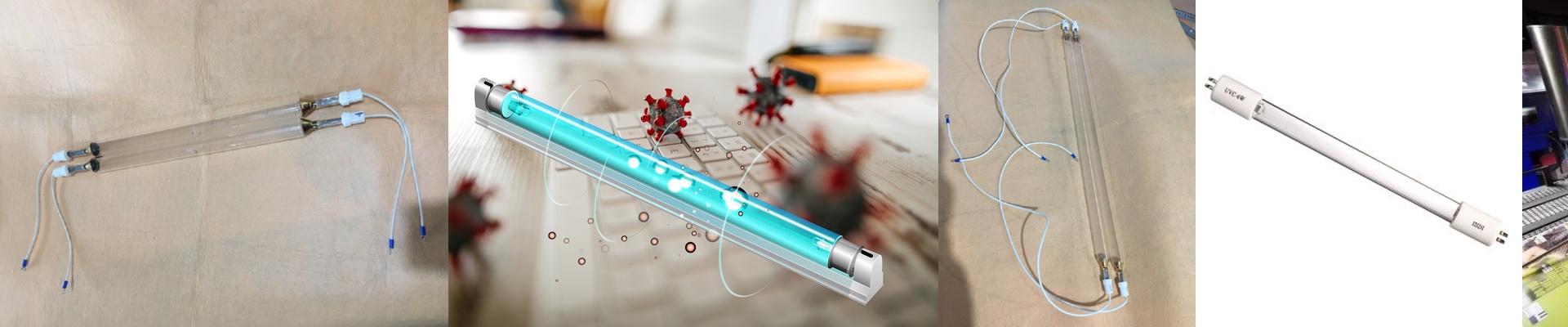
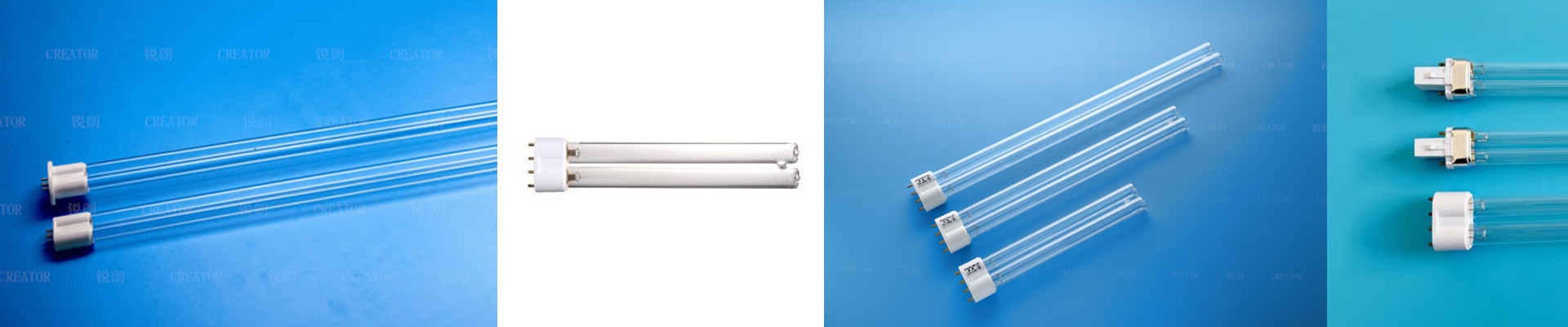
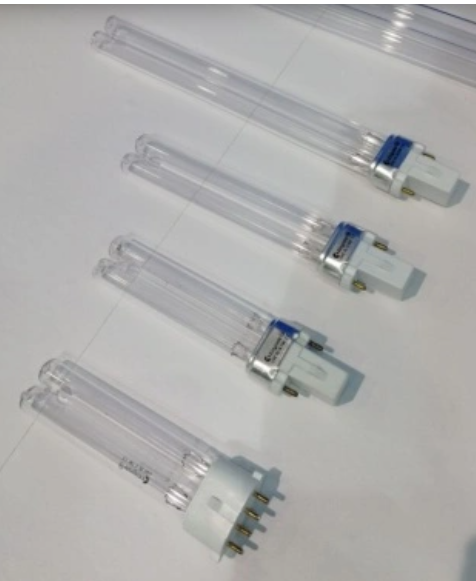
We spent 15 years playing the white-label game, selling other people’s gear before we finally decided to build our own UV lamps. We didn’t want to just put another generic bulb on the market. We wanted something that actually held up against the big international brands. The truth is, most wholesale lamps are junk. They fail because the electrode seals are sloppy or the quartz isn’t pure. We spent a lot of time obsessing over the glass-to-metal seal, tightening the tolerances until it actually worked.
The struggle with voltage and “cold spots”
Here’s the thing: UV output isn’t just about cranking up the wattage. It’s all about how the arc length and voltage play together. We built our lamps to keep that plasma arc steady, even when your power fluctuates. If the voltage dips, the arc starts to wander. That’s when you get those annoying “cold spots” on your conveyor—areas where the curing just isn’t happening. To stop that, we use high-purity fused quartz. It lets the UV-C and UV-B wavelengths fly right through the glass instead of getting trapped inside.
Dealing with the heat
Heat is the real killer here. When you fire up a high-wattage lamp, the temperature difference between the center arc and the outer wall is wild. Cheap lamps can’t handle that kind of stress; they just crack. We use a specific type of quartz tubing that can take a beating from rapid heating and cooling. We spent a lot of time tweaking the wall thickness to find that sweet spot—strong enough to survive the thermal shock, but thin enough to let the UV light get out.
Plugging them in
You can just drop these into most existing industrial setups. No need to tear apart your power stage or redesign your ballasts; they just work. But a quick heads-up: if you push for maximum intensity to speed up your curing, your cooling fans are going to work harder. If your exhaust system can’t pull that heat away fast enough, you’ll shave about 20% off the life of the lamp. Keep them cool, and they’ll last.