

Getting UV Sterilization Right Without Overpaying
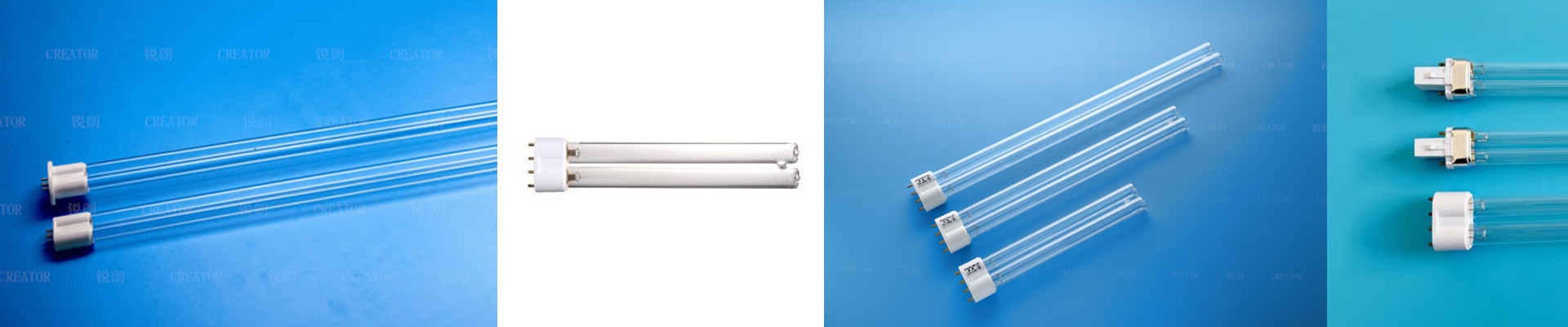
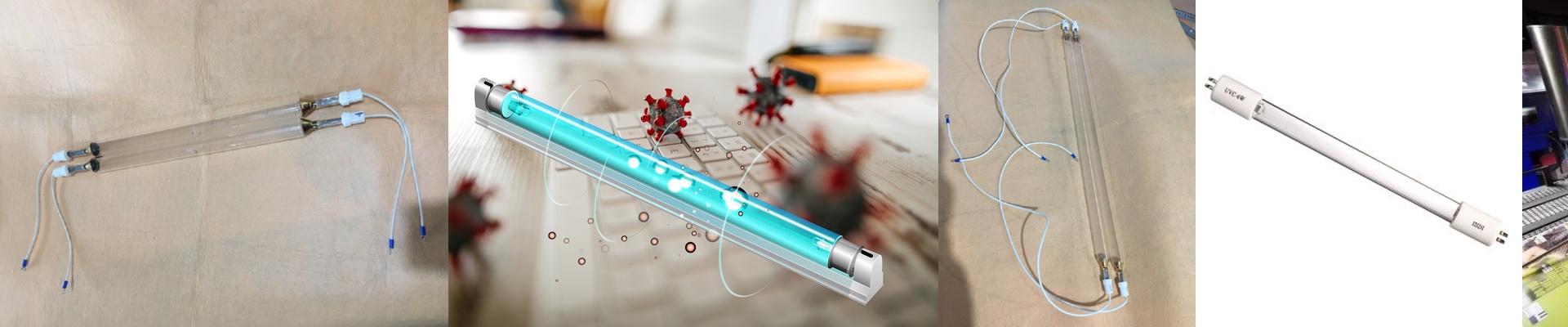
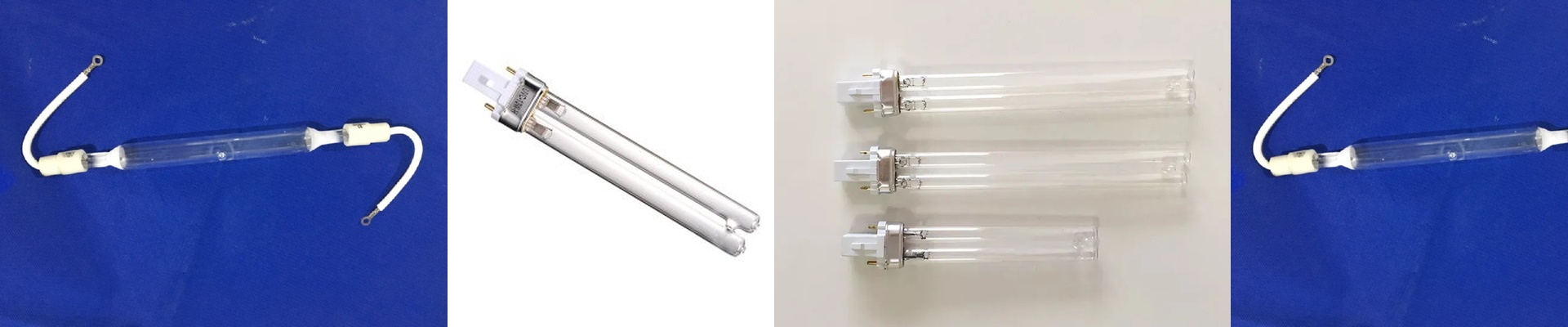
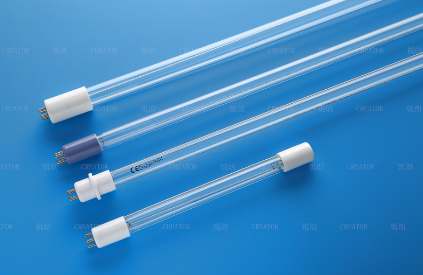
Let’s be honest about UV sterilization: it all comes down to whether those UVC wavelengths actually hit the target and break down the microbial DNA. If they don’t, you’ve just bought an expensive lightbulb. Most companies buy their parts from three different vendors, and by the time the lamp reaches you, you’re paying for three different markups. We decided to stop doing that. We handle everything—from sourcing the raw quartz to the final assembly—so we can keep the price honest. The technical side of things When you’re looking at these systems, the two things that actually matter are irradiance and how long the lamp lasts. We build our tubes to keep the wattage steady across the entire length of the glass. Why? Because “cold spots” are a nightmare. If one part of your chamber isn’t getting enough light, the whole process fails. One quick tip: if you’re scaling up to high-wattage arrays, watch your heat. More power means more thermal load on the sockets. If your housing doesn’t have decent airflow, those end-caps will overheat and your lamps will burn out way sooner than they should. It’s a simple fix, but it’s where a lot of people go wrong. Why the materials matter We use high-transmittance fused quartz. It sounds fancy, but it just means the UV-C light actually gets through the glass. Cheap glass blocks the very waves you’re paying for. It makes the system useless. Since we make the glass and set the electrodes ourselves, we cut out the waste. You get industrial-grade gear that can actually take a beating, but at a wholesale price. Making it work in the real world We designed these to be drop-in replacements for standard industrial fixtures. No need to rewire your entire floor or spend a weekend figuring out the manual. It just fits. But here is the catch. High-intensity UV is aggressive. It eats through plastics and seals if you aren’t careful. If you want your chassis to last, use UV-resistant gaskets and shielding. Otherwise, your seals will get brittle and crack. We’ve managed to bring the cost down through our supply chain, but the hardware still needs a proper environment to hit its full lifespan. Keep it cool, shield your plastics, and the gear will do the rest.