

Getting the Most Out of Gallium Iodide Lamps
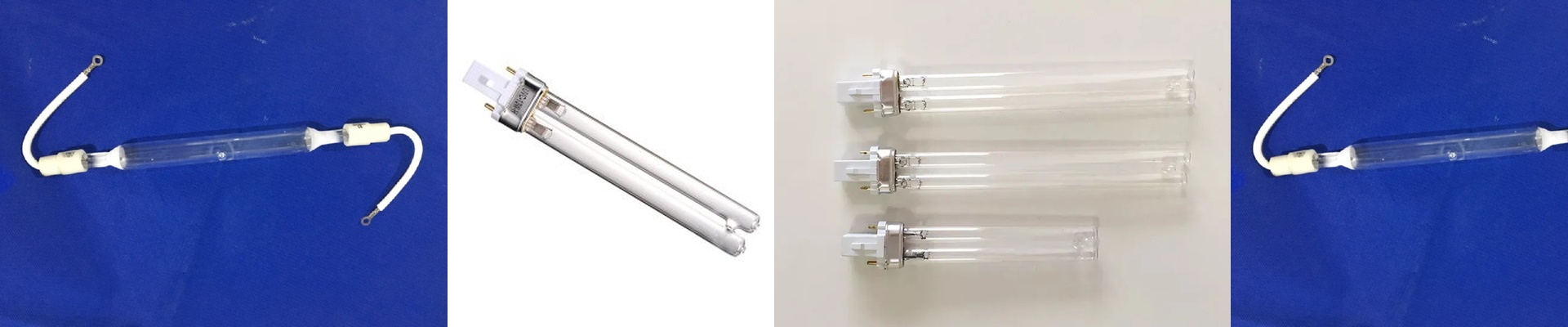
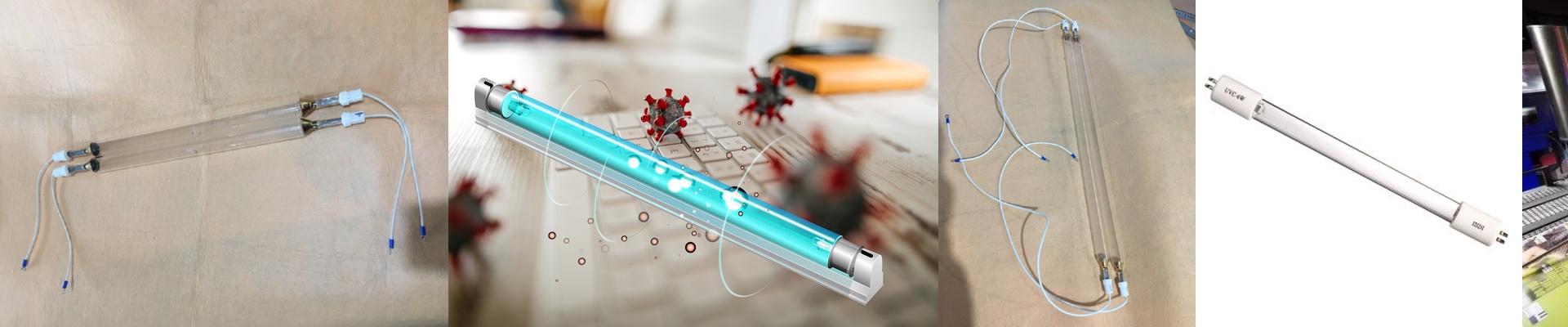
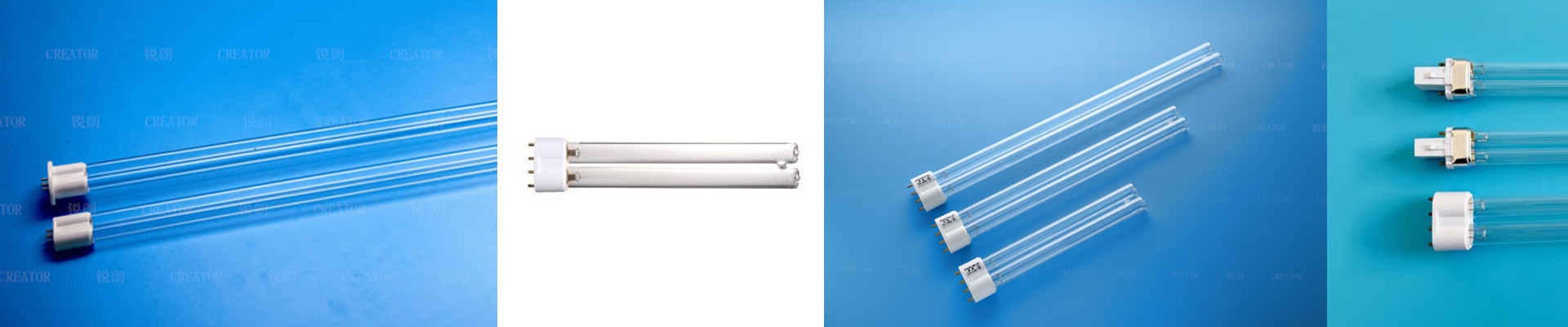
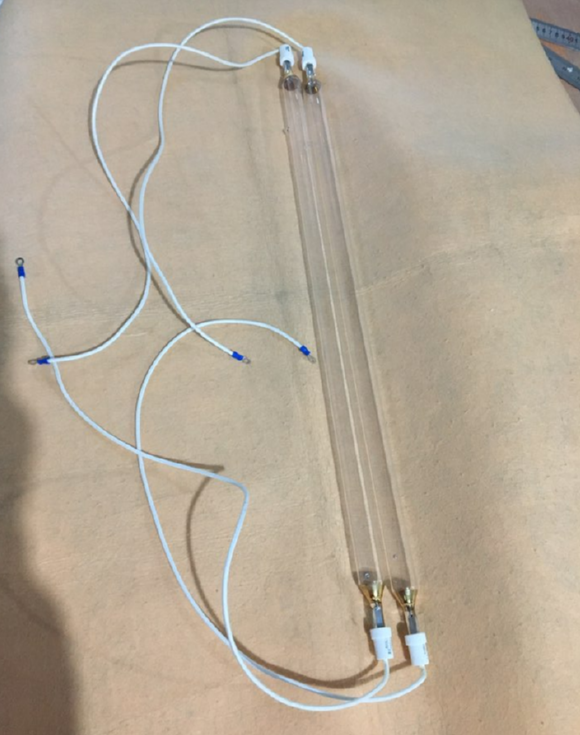
If you’ve ever struggled with resins that just won’t cure all the way through, you know how frustrating it is. You’re stuck somewhere between basic mercury vapor lamps—which don’t always cut it—and those pricey LED arrays. That’s exactly why we build our Gallium Iodide (GaI) lamps. They hit that sweet spot between 250nm and 400nm, giving you the muscle needed for deep-cure jobs in polymers and electronics. The heat is the real story here. These lamps don’t just blast light; they pack a punch. Because the chemistry shifts the energy peaks, you can actually get through thicker layers of coatings without breaking a sweat. But here’s the catch: they get hot. Really hot. High-wattage tubes throw off a lot of infrared heat. If your cooling fans aren’t up to the task, your spectral stability will tank and your lamps will burn out way faster than they should. Keep them cool, and they’ll keep working. Building things to last We use high-purity quartz glass because nobody wants “solarization.” You know, that annoying clouding effect where the glass absorbs UV and starts looking foggy? We’ve fixed that. Plus, we’ve toughened up the electrodes so you can flip them on and off without worrying about them popping. One quick tip on the install: double-check your ballast. If the strike voltage doesn’t match, the lamp either won’t ignite or you’ll stress the electrodes. It’s a small detail, but it’s the difference between a lamp that lasts and one that dies in a week. Making it “Smart” If you’re running a modern factory, you probably don’t want a simple on/off switch. That’s old school. We’ve found a better way. By hooking these lamps up to sensors, you can monitor the cure in real-time. If your line speeds up, the power adjusts automatically. It’s a relief, honestly. You stop wasting energy and, more importantly, you stop over-curing your parts. No one likes a final product that’s turned brittle because it sat under the light too long. You get a lamp that fits right into your existing setup but works with the kind of precision a high-speed line actually needs.