

Better UV, Zero Mess: The Truth About Gallium Iodide Lamps
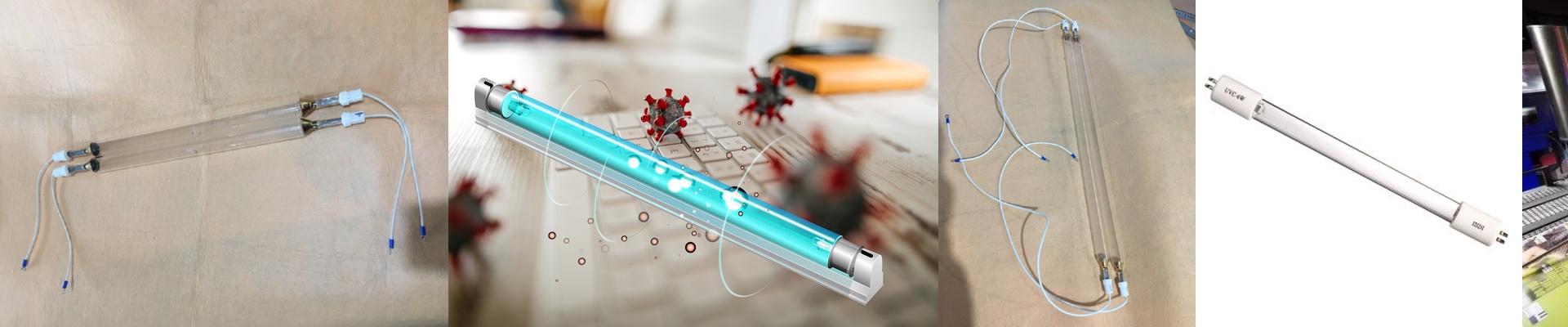
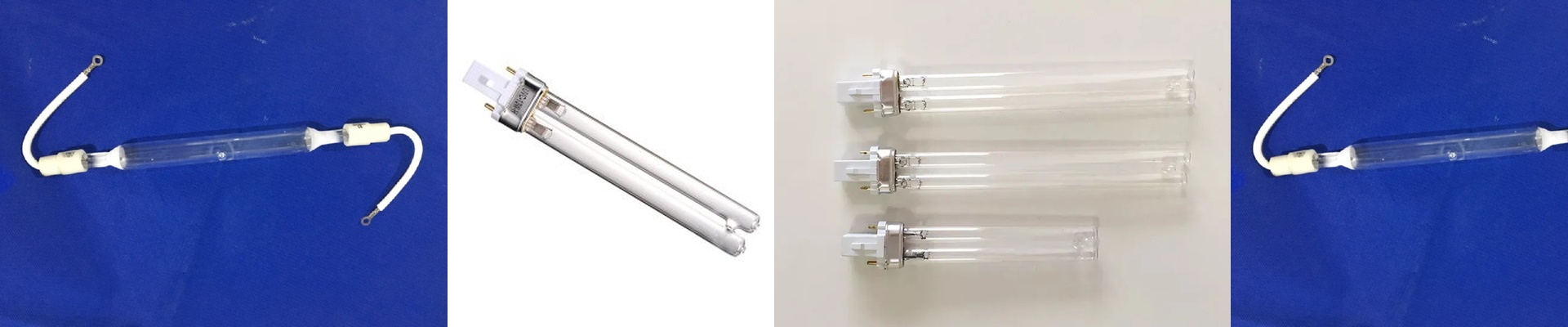
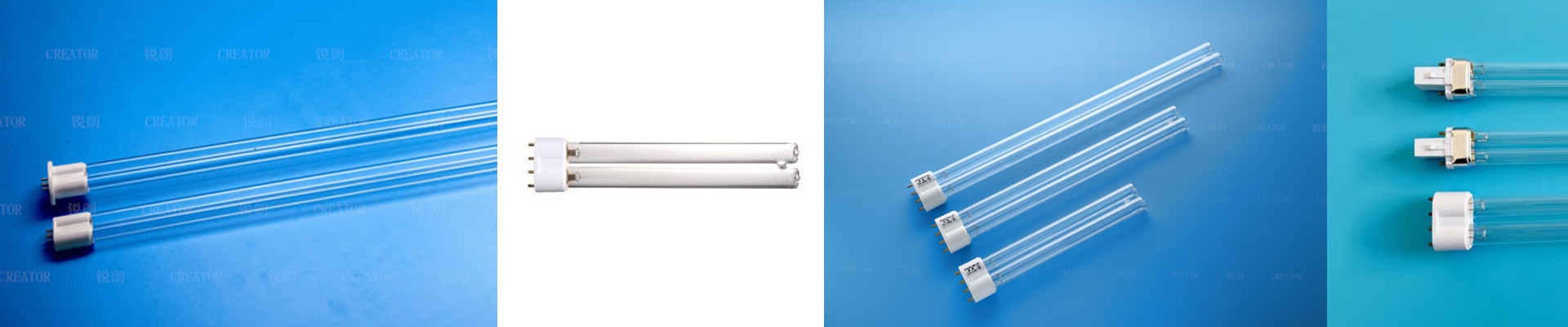
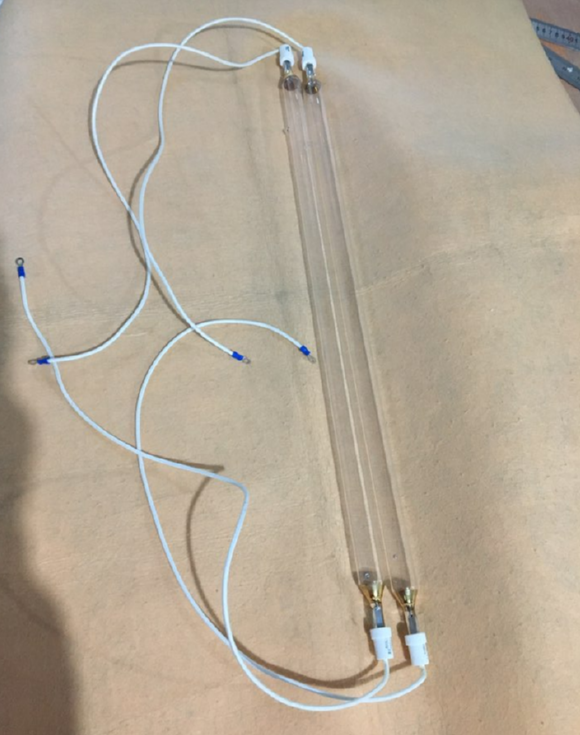
Let’s talk about UV lamps. Specifically, Gallium Iodide (GaI). If you’re doing high-precision curing or photolithography, you know the struggle. Standard mercury tubes are often too blunt for the job. They don’t hit the spectral sweet spot you need, and frankly, they’re a headache to manage. That’s where our GaI lamps come in. They hit that 250nm to 350nm range with a level of precision that just makes the work easier. Getting rid of the toxic stuff Here’s the thing: mercury is a nightmare. One broken bulb and suddenly your shop floor is a hazardous waste site. We got tired of that. So, we ditched the mercury entirely. Our current design uses materials that won’t poison your workspace. But it’s not just about being “green.” We’ve spent a lot of time tweaking the gas fill and the shape of the electrodes. Why? Because we wanted these things to last. Fewer replacements mean less waste and less time spent tinkering with your equipment. It’s just a smarter way to run a shop. Keeping it cool (and clear) These lamps push a lot of current to get that intense UV output. To stop the glass from clouding over—what the engineers call “solarization”—we use high-purity synthetic quartz. It stays clear. It stays effective. But you have to watch your temps. GaI lamps throw off a lot of infrared heat. If your chiller or air-cooling isn’t up to the task, you’re going to have problems. When the envelope gets too hot, your spectral stability slips and the lamp dies way sooner than it should. Keep it cool, and it’ll keep working. Fitting them in and keeping them clean We didn’t want you to have to rewire your entire plant just to upgrade your lights. We built these as drop-in replacements. They match the electrical footprint of your current ballasts, so you can just swap them out and get back to work. One last tip: keep the quartz ends spotless. Dust is the enemy here. When dust builds up, it creates hot spots on the glass. That stress leads to cracks, and cracks lead to a dead lamp. Use isopropyl alcohol to wipe them down. Don’t use anything else—other cleaners leave a residue that literally bakes into the glass, and once that happens, you can’t get it off.