

Getting Gallium Iodide Lamps Right: The Balance of Light and Budget
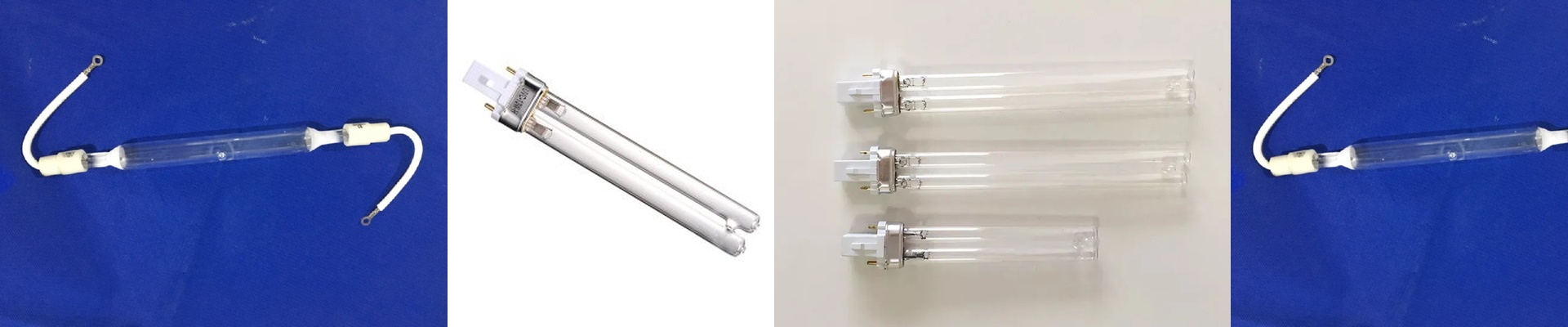
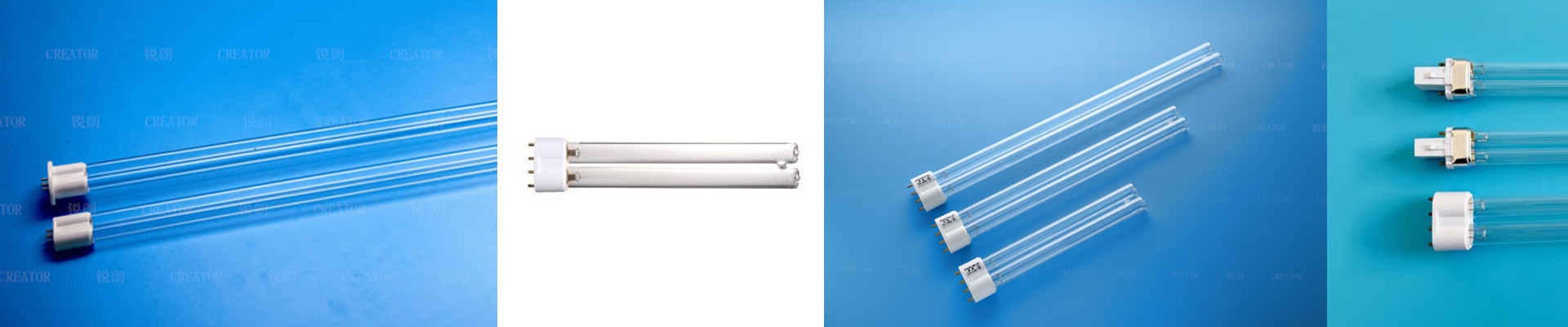
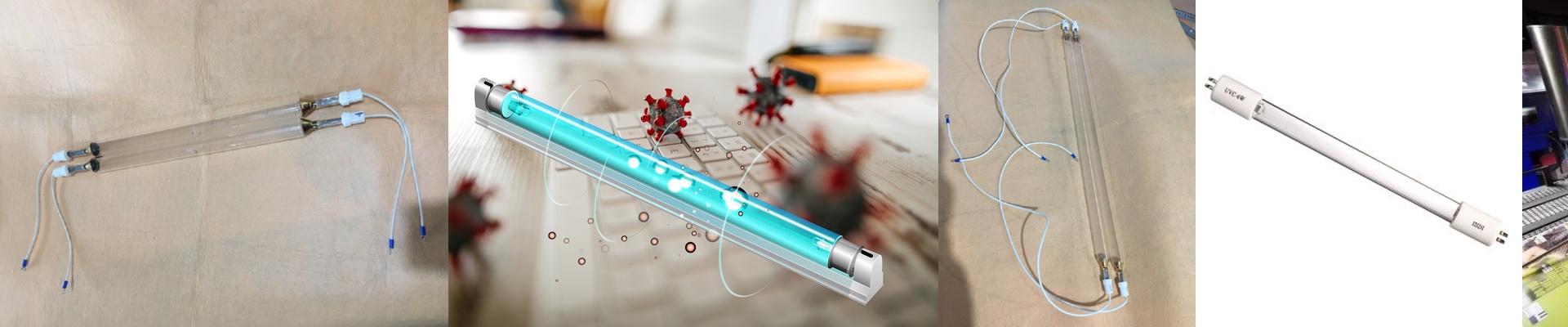
Standard quartz or halogen lamps are fine for most things, but they can’t hit those specific, tricky spots in the UV/IR spectrum. That’s where gallium iodide comes in. We make these tubes by tweaking the mix of gallium and iodine inside the glass. The goal? To shift the light exactly where you need it. It means you can trigger a chemical reaction or cure a coating without wasting a ton of energy on heat you don’t want.
The Science of the Shift
Most lamps “bleed.” They throw off way too much infrared energy, which is basically just wasted heat. We use gallium iodide to tighten that window. By messing with the fill pressure and the gallium concentration, we push the output toward the ultraviolet. You get a higher density of photons right where your process actually needs them. And we don’t just focus on the light. We calibrate the glass thickness carefully. It needs to be tough enough to handle thermal expansion so it doesn’t snap, but not so thick that it burns out early. It’s a delicate balance.
Cutting Out the Middleman
Here’s the thing about distributors: they add a markup, but they don’t add any actual technical value to the lamp. We decided to handle everything ourselves. From sourcing the raw materials to the final seal, we do it all in-house. This means you get a drop-in replacement that hits your voltage and wattage specs perfectly, but you aren’t paying a “brand-name” tax for it.
A Few Things to Watch Out For
These high-intensity lamps aren’t “plug and play” in every single setup. They put a real load on your power supplies. If you’re cramming high wattage into a small space, your ballast has to be spot-on for the startup current. If the circuitry isn’t a good match, your lamps are going to die a lot faster. Also, check your cooling fans. If the housing gets too hot, the electrodes degrade. It’s a simple fix, but it makes a huge difference in how long the lamp lasts. We build these to take a beating in a loud, messy industrial shop. You get the exact spectral curve you’re looking for, priced at factory rates.