
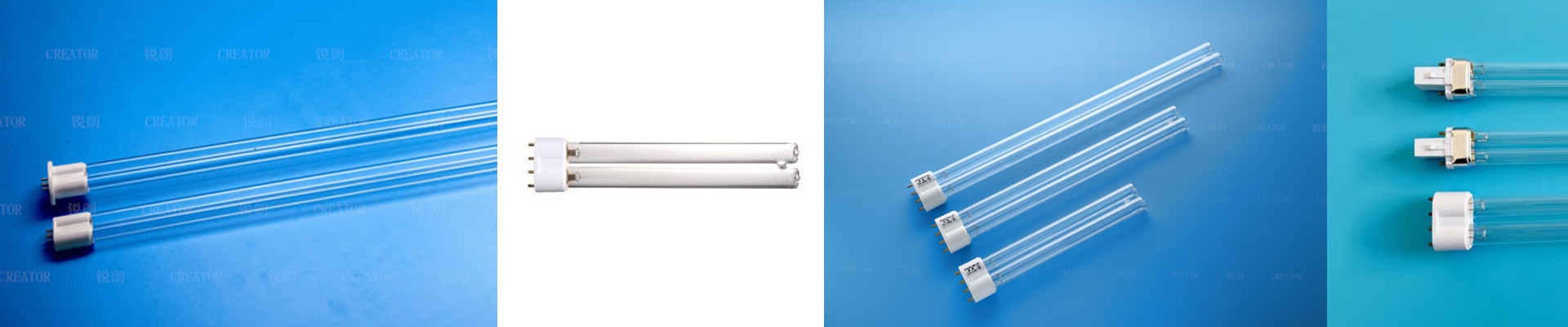
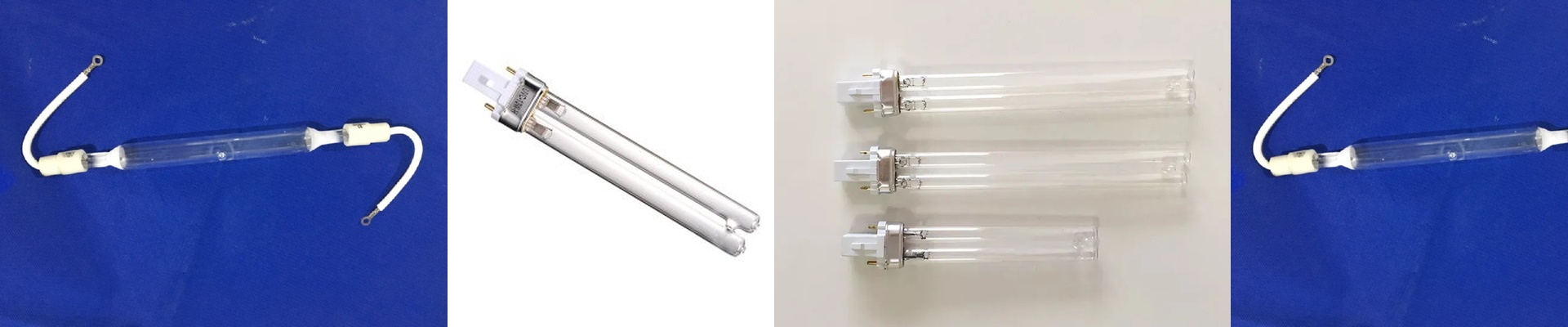
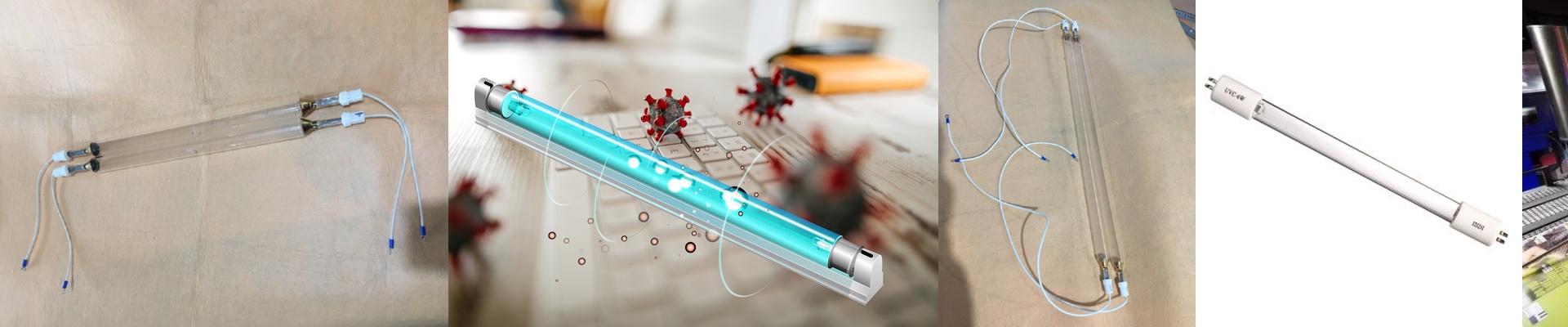

15 Years of Making UV Lamps (And What We Actually Learned)
For a long time, we were the secret. For 15 years, we worked behind the scenes as the OEM factory for some of the biggest global brands. We made the lamps, they put their logo on them, and they sold them. Now, we’re doing our own thing. But this isn’t some corporate rebranding move. It’s about the grit and the physics of how to actually get more photons out of a tube without blowing the whole thing up. The tug-of-war between power and heat UV curing is a balancing act. You need the right wavelength and enough intensity to get the job done, but you can’t just crank the power and hope for the best. If you shove too much wattage into a short tube, you’re basically asking the quartz to overheat and crack. It’s a recipe for disaster. We spend our time tweaking the electrode load so you get the line speed you need without the lamp burning out way too early. Why the “cheap” stuff fails Here is the thing about the quartz envelope: it’s usually where the cheap lamps give up. If you use low-grade glass, it actually blocks the radiation you’re paying for. It’s like wearing sunglasses while trying to tan. We use high-purity fused quartz because it lets the UV light through without fighting it. Then there are the electrodes. You’ve probably seen those lamps that get all black and crusty at the ends? That’s called sputtering. We engineer ours to resist that, so your lamp stays clean and stays working. And a quick tip: watch your connectors. A loose socket creates heat spikes that can literally melt your housing. We offer a bunch of different connector options so the lamp just drops right into your existing rig without any fuss. The real-world trade-off Let’s be honest. These lamps are beasts. They pump out massive irradiance, which means your curing happens fast. Really fast. But that power comes with a catch: heat. If your cooling fans are dusty or your water-jackets aren’t up to the task, your lamp life is going to tank. You get the speed, but you have to be a bit more disciplined with your maintenance. As long as your power supply is stable, these things can take a beating in a loud, messy industrial shop. They’re built for the real world.