

Getting UV Curing Right in Your Textile Line
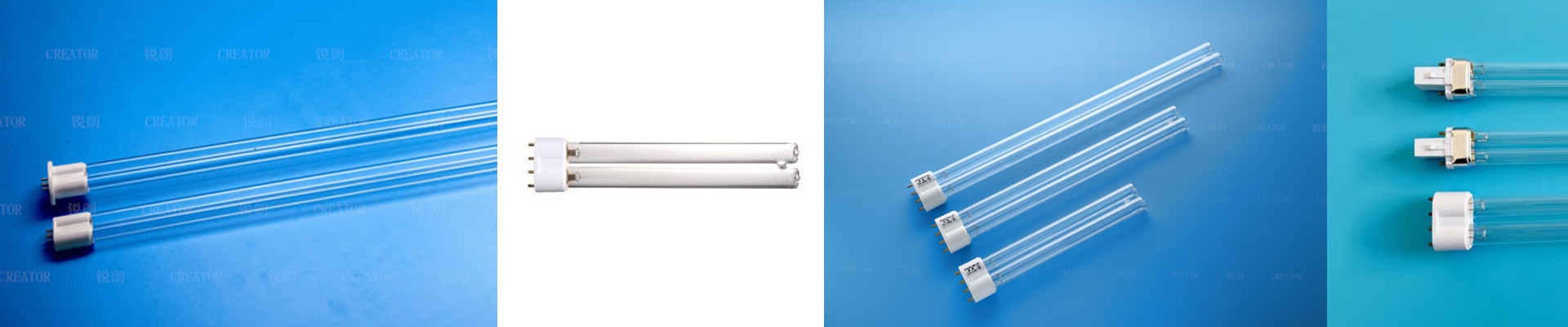
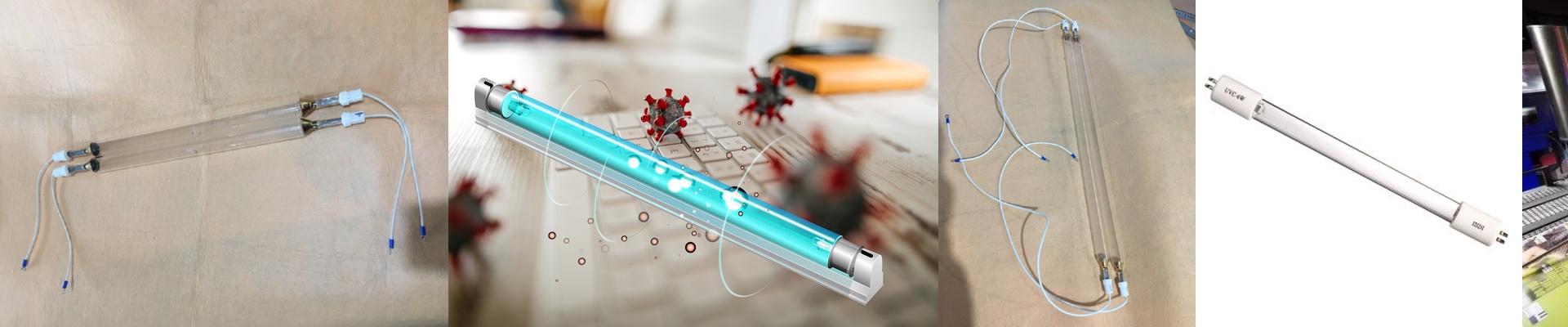
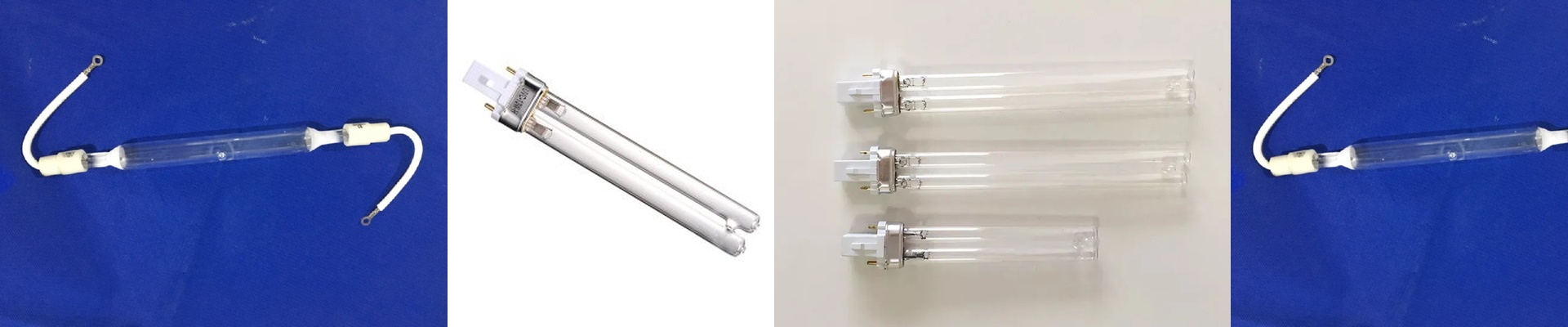
Most people think of UV lamps as things that just kill germs. But in a textile mill? They’re the secret to making things stick. We use them to trigger a reaction that turns liquid inks and coatings into solid polymers almost instantly. It’s a bit like magic—one second it’s wet, the next it’s locked in. The Chemistry Side of Things You can’t just throw any lamp at the problem. You’ve got to match the wavelength—usually UV-A or UV-C—to whatever photoinitiator is hiding in your ink. If you’re running a high-speed line, you need high-intensity discharge lamps. They hit the fabric with enough power to cure the ink in milliseconds. But here’s the catch: if you push your line too fast without enough wattage, you end up with “tacky” fabric. There’s nothing worse than pulling a batch off the line only to find the ink is still sticky and migrating. Total nightmare. The Hardware Headache Most of these setups use quartz glass. We do that because quartz lets the UV rays pass through without the lamp wall soaking them up. But these things gethot. Really hot. That’s why we usually add cooling jackets. If the bulb overheats, your output drops and the lamp dies way sooner than it should. Then there’s the distance. You’re walking a tightrope here. Put the lamp too close, and you’ll scorch the fabric. Push it too far away, and the ink just won’t cure. Where This Actually Happens You’ll see this tech doing the heavy lifting in three main spots: *Digital Printing: Getting those pigment inks to stay put on polyester. *Functional Coatings: Adding that “water-off-a-duck’s-back” repellent or flame-retardant layer. *Screen Printing: Fixing heavy UV inks for those bold apparel graphics. A Few Pro Tips on Setup If you’re wiring this into an old line, please, for the love of everything, get a stable power supply. Voltage spikes are killers—they’ll fry your ballasts in a heartbeat. I always suggest dedicated circuits. It stops the flicker and makes sure the cure is consistent from one edge of the fabric to the other. And one last thing: don’t skimp on the cooling. If your cooling system can’t handle the heat, you’ll spend more time replacing lamps than actually making clothes.