

The Secret Sauce of Textile Finishing: High-Pressure Mercury UV Lamps
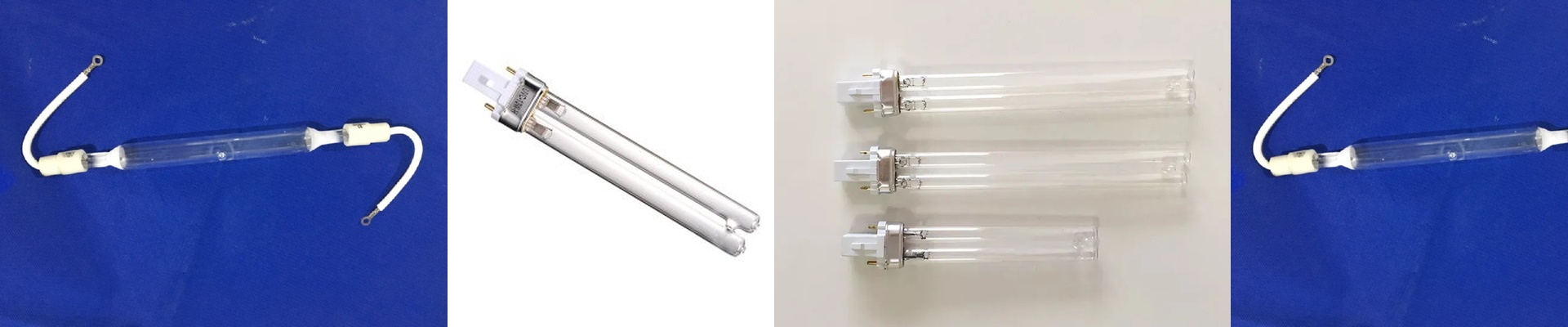
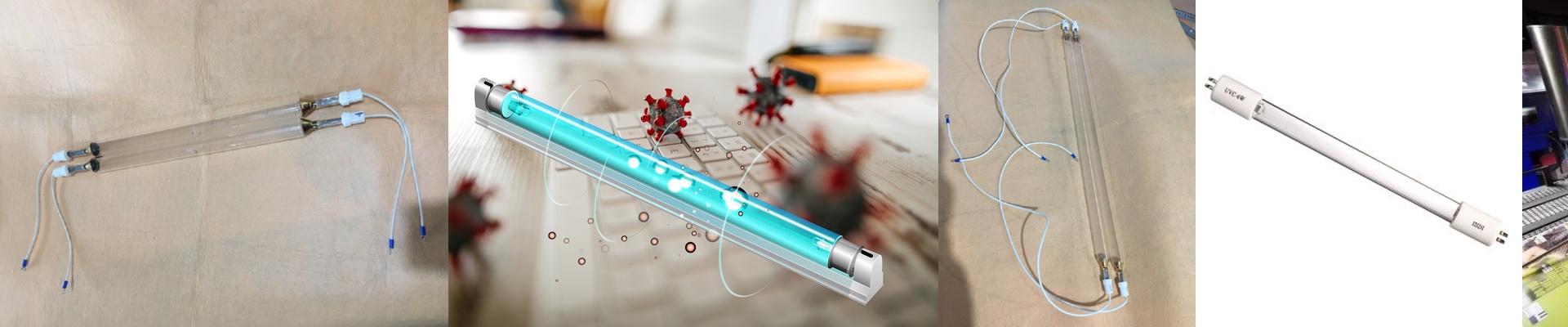
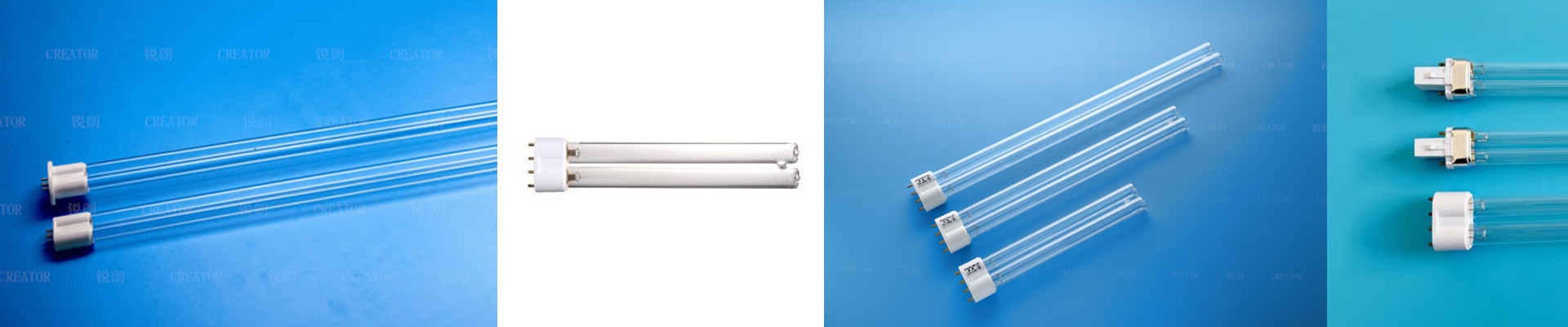
When people think about making clothes, they usually picture looms and vats of dye. But there’s a hidden part of the process that does all the heavy lifting. I’m talking about high-pressure mercury UV lamps. Think of these lamps as the “invisible engine.” They trigger a reaction called photopolymerization. In plain English? They turn liquid inks and coatings into solid, wash-fast finishes in a fraction of a second. Why these lamps? Some people ask why we don’t just use LEDs. Here’s the thing: mercury lamps hit different. They put out a massive amount of energy across a broad spectrum. That raw power is exactly what you need when you’re dealing with thick fabrics. The light doesn’t just sit on the surface; it punches deep into the pile. That’s how you make sure the ink is cured all the way through, so it doesn’t peel or fade after a few washes. The Heat Struggle Now, it’s not all magic. There’s a trade-off. We pick the wattage and the length of the lamp based on how fast your line is moving. Faster speeds need more power. But more power means more heat. If you mount these lamps too close to the fabric without a solid cooling system or a good heat sink, you’re going to have a bad time. You’ll start seeing scorched fibers or fabric that shrinks right on the belt. It’s a balancing act—you want enough UV to set the ink, but not so much heat that you ruin the garment. Keeping Things Running To get the most light through, we use quartz envelopes. We also make them easy to swap out. Nobody wants their entire line sitting idle because of a dead bulb. But keep an eye on your hours. Mercury vapor degrades over time. You won’t notice it immediately, but the output will slowly dip. If you let it go too long, you’ll start noticing “tacky” surfaces or ink that migrates and blurs. If it feels sticky, it’s time for a change. Whether you’re doing screen printing, digital prints, or functional coatings, these lamps are the workhorses. Just hook them up to a stable ballast, keep your reflectors clean, and they’ll happily run 24/7.