

The Truth About Mercury UV Bulbs
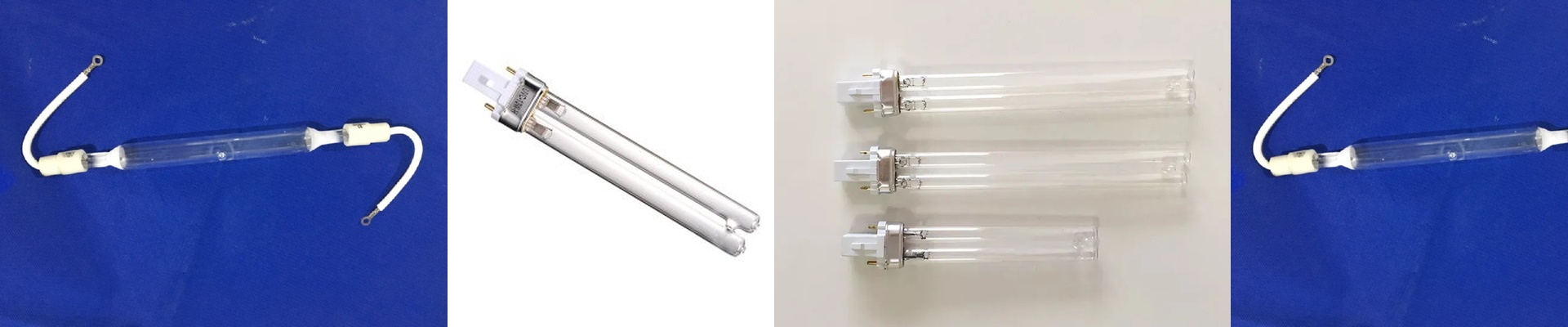
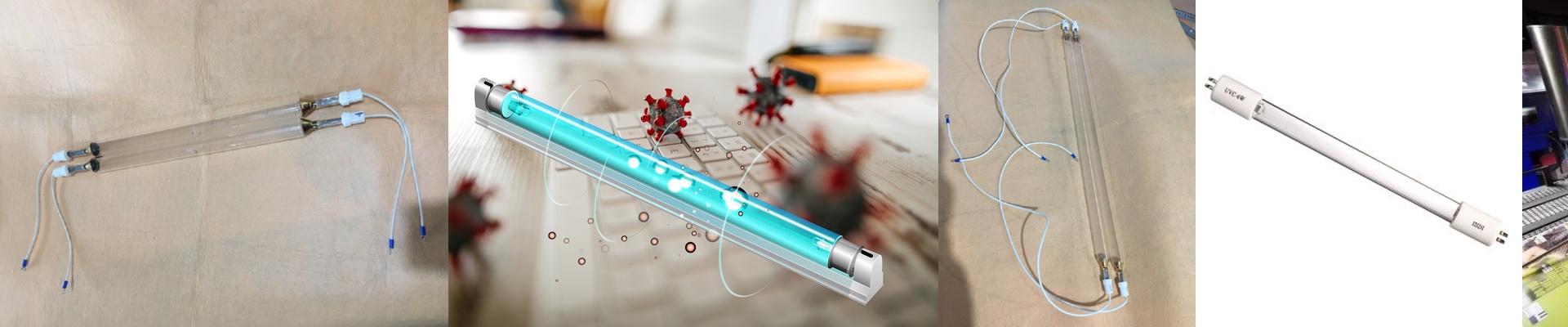
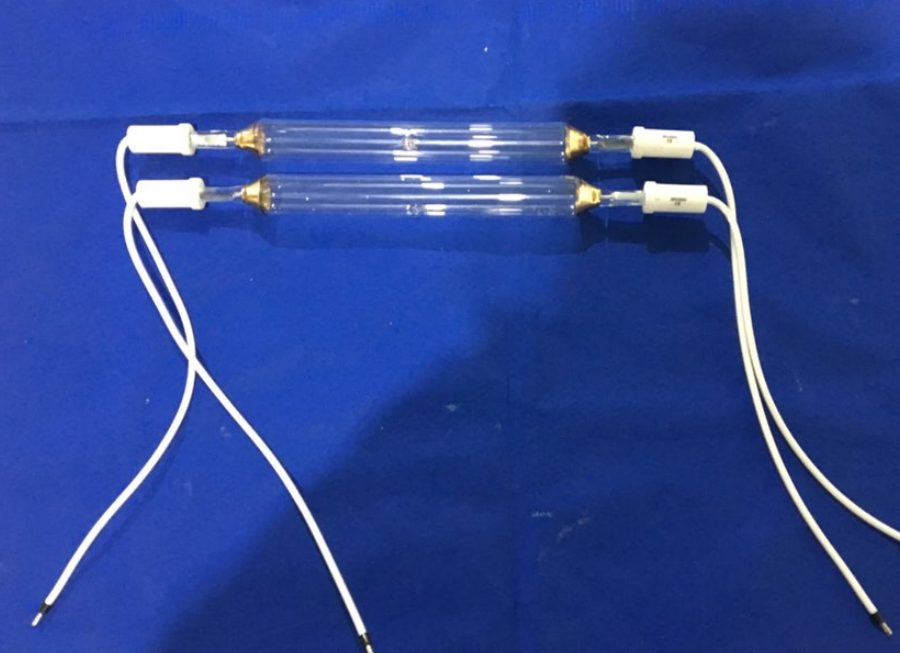
Most of us are used to the standard mercury UV lamp. It’s a simple setup: an electric arc jumps through mercury vapor, creates some short-wave radiation, and kicks off the curing process. We’ve spent years building these things to take a beating from high heat, but the way we use them is finally changing. We’re moving away from “dumb” bulbs and toward systems that actually speak up when they’re about to quit.
How they actually work
Basically, these bulbs ionize gas to hit those sweet spots—mostly 254nm and 365nm. To get enough power, we push a lot of wattage and keep the voltage tight. But here is the catch: the quartz glass has to be top-shelf. If it’s cheap or impure, it blocks the UV rays. That makes the tube overheat, and before you know it, the glass just gives up.
Stop guessing when to swap bulbs
The “next big thing” isn’t actually the bulb. The physics of mercury hasn’t changed in ages. The real win is in the data coming off the ballast. We’re starting to plug in sensors that track power draw and UV intensity in real-time. Now, you can just glance at a dashboard from across the room to see if your energy is spiking or dipping. It kills the guesswork. Instead of swapping out bulbs because a calendar told you to, you swap them because the output is actually dropping. It saves you from that nightmare scenario where a product looks dry on the surface, but it’s still tacky and wet underneath.
The trade-offs
Of course, nothing is free. Adding smart monitoring means a bit more clutter in your wiring and a larger footprint. You can’t just pop these into a basic socket; you’ll need a digital ballast and a network gateway to make it all talk. And a fair warning: mercury bulbs gethot. Really hot. Smart sensors are great, but they aren’t magic. If your cooling fans die, the sensors will just give you a front-row seat to your bulb burning out in real-time. You still need a solid plan to keep things cool if you don’t want to waste money on premature replacements.