
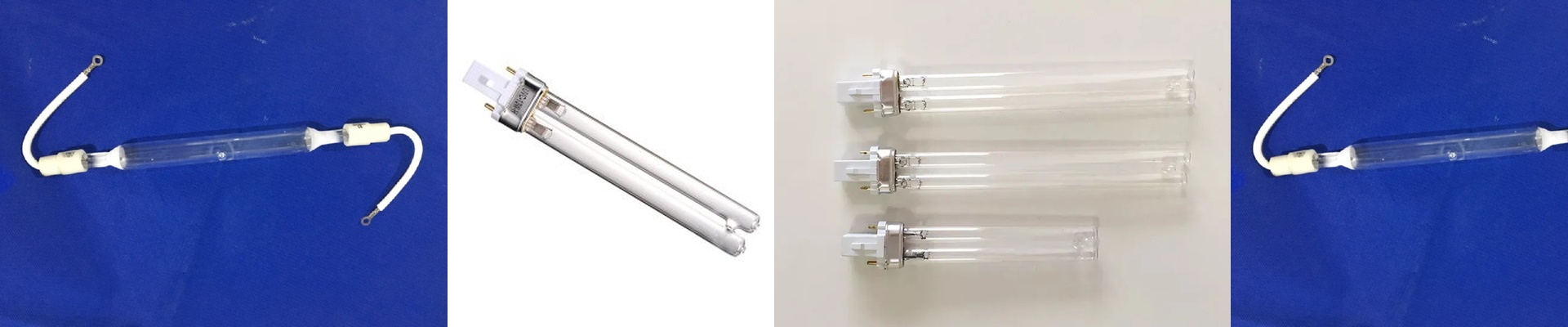
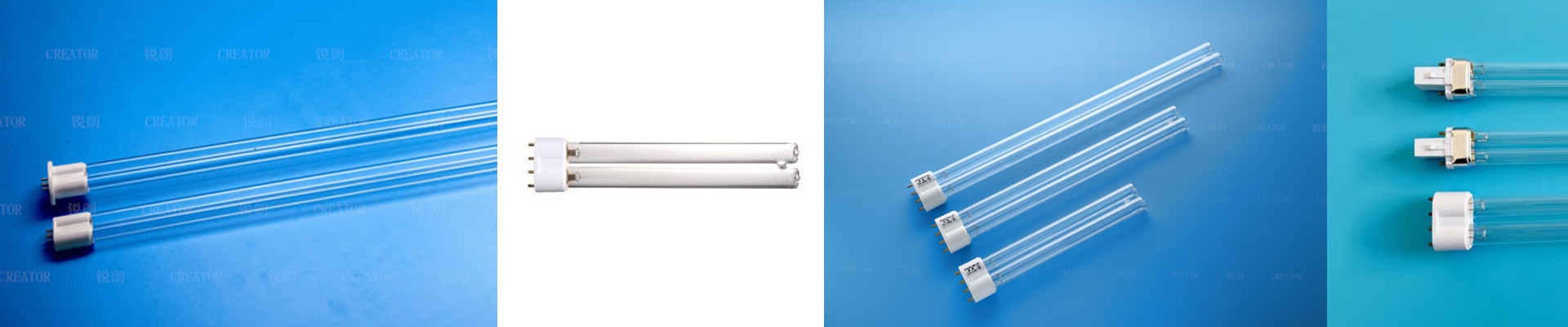
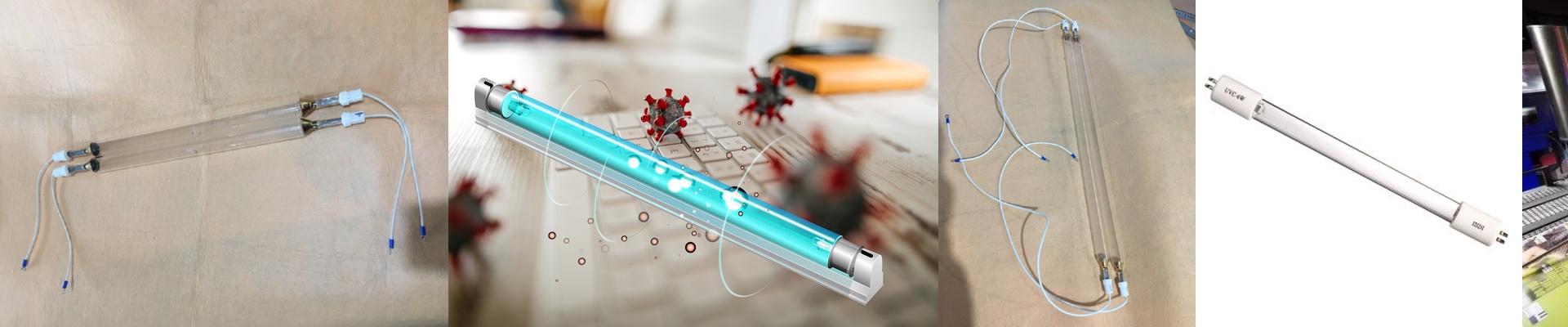

Getting the Most Out of Our 120W/cm Mercury UV Lamps
We built our standard mercury lamps at 120W/cm for one reason: speed. If you’re running high-speed ink or coating lines, you can’t afford to slow down. You need enough UVC and UVB radiation to snap those resins into place instantly.
The Heat Factor
Packing that much energy into a small space is great for your production speed. It means you get a tack-free surface and a deep cure even when your conveyor is flying. But there’s a catch.**These lamps get hot.**Really hot. If your cooling blowers are underpowered or your reflectors are caked in dust, you’re asking for trouble. You’ll either warp your substrates or burn through your bulbs way faster than you should. Keep them clean. Keep them cool.
What’s Happening Inside
We use mercury vapor because it hits the exact spectral lines needed to break the chemical bonds in your photoinitiators. The quartz envelope does the heavy lifting here, letting those shortwave UV rays through while keeping the plasma contained. We’re obsessive about the end-cap tolerances. Why? Because a loose fit leads to gas leaks or arc-overs. And once that happens, the lamp is toast.
Putting It to Work
These are designed to be simple drop-in replacements for most standard systems. No fuss. Just a heads-up on the wiring: make sure your ballast matches the operating current. I’ve seen people try to “over-drive” the lamp to get a bit more punch, but all that does is kill the lifespan and mess with the light output. And do yourself a favor—check your reflector alignment every few months. A 120W/cm lamp is a powerhouse, but it’s only as good as the mirror pushing that light onto your print.