

Getting the Most Out of Your Mercury UV Curing Modules
If you’ve spent any time around a high-speed press, you know the drill. You need your ink to set instantly, but you don’t want to fry your materials in the process. That’s where our mercury UV modules come in. We basically fine-tune the light—specifically those 254nm and 365nm peaks—so you get exactly enough punch to cure the ink without scorching the substrate.
Power, Heat, and the Balancing Act
Here is the thing about line speed: the faster you run, the more “oomph” you need from your bulbs. More wattage means more photons hitting the ink, which lets you crank up the speed. But there’s a catch. If you cram too much power into a tiny tube, the internal pressure spikes. It’s a bit of a tightrope walk. We spend a lot of time balancing the diameter and length of the tube so the bulb doesn’t burn out prematurely. And a quick heads-up: if you’re running these at full tilt, make sure your cooling fans can actually handle the heat. If the bulb overheats, the light spectrum shifts, and suddenly your cure isn’t what it should be.
More Than Just a Lightbulb
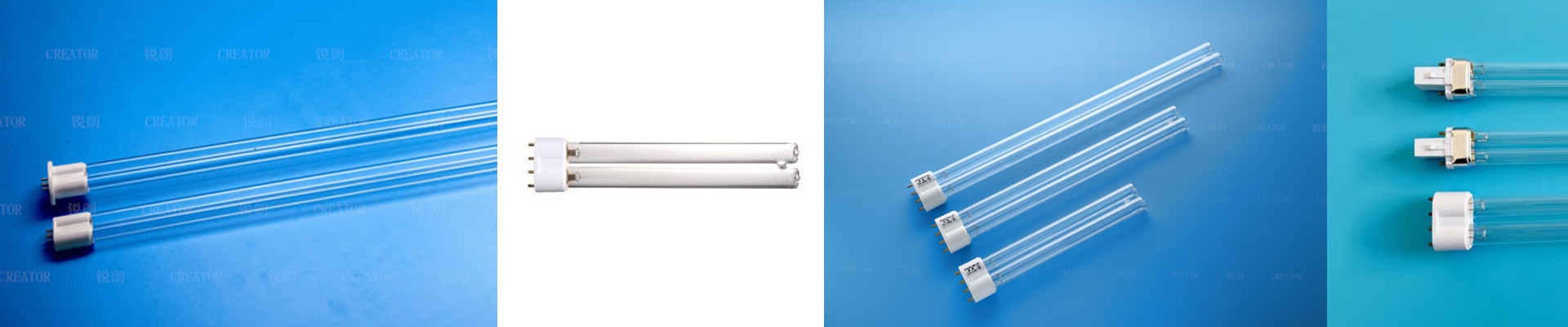
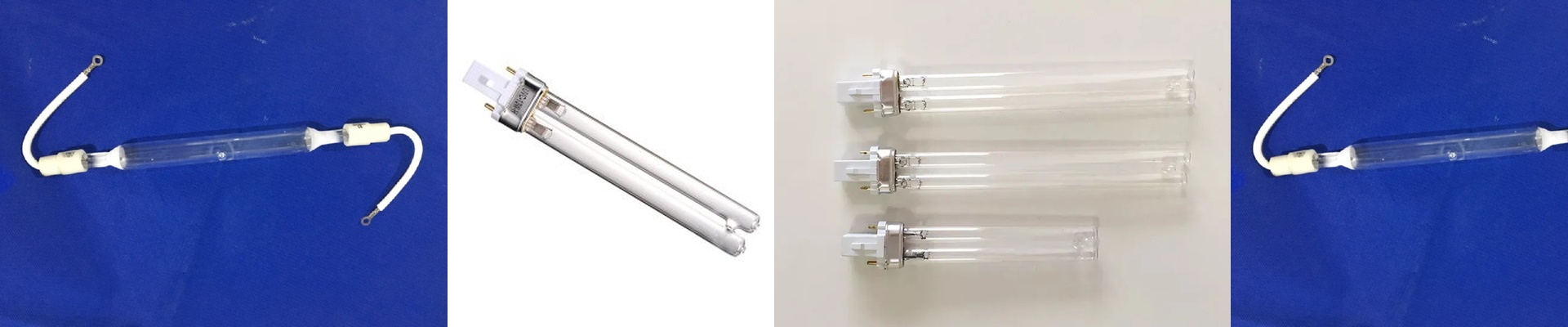
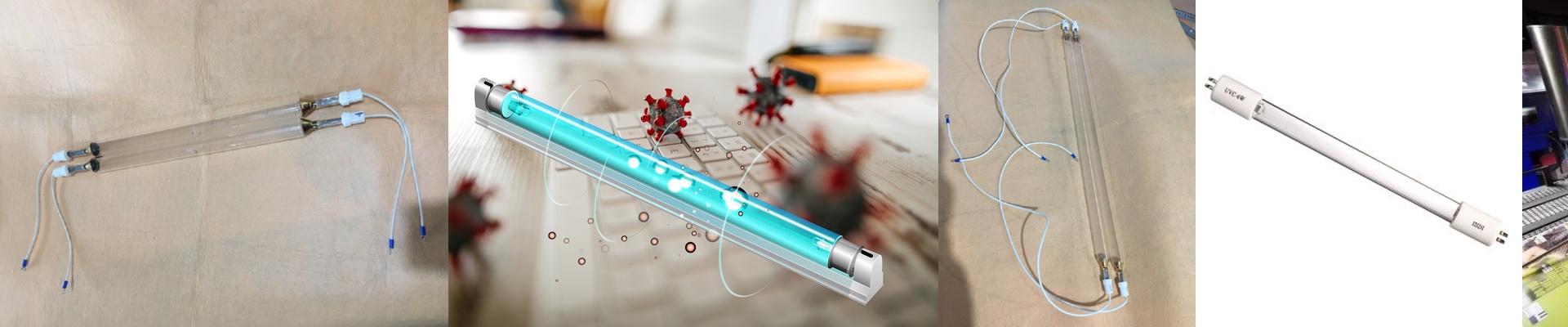
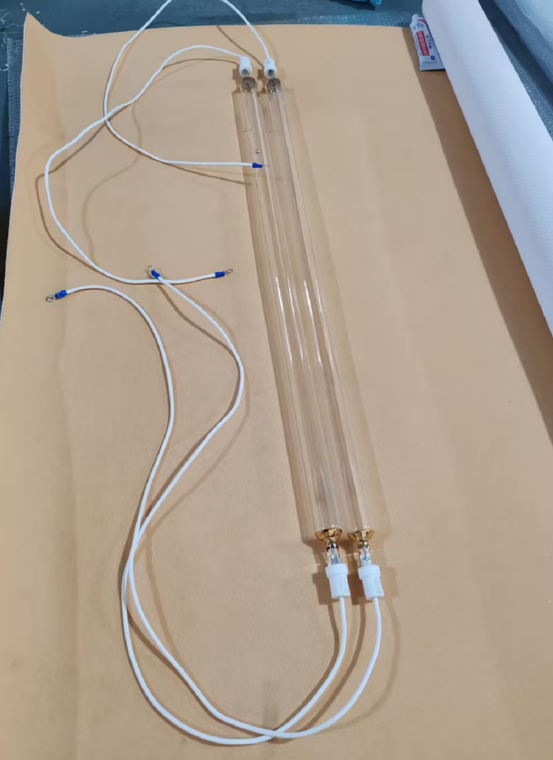
We don’t just ship you a bulb and wish you luck. These are full systems. We use high-purity quartz glass because it lets the UV light through without soaking it up. Then, we add reflectors that push the beam straight down. This keeps the energy where it belongs—on the ink—and stops your machine’s chassis from getting degraded by stray UV rays. Plus, we build these to be drop-in replacements. We match your existing footprint and electrical plugs exactly. You just wire it up and go. No need to tear apart your control cabinet or spend a weekend rewiring the whole shop.
The Reality of Using Mercury Lamps
Mercury lamps are great because they hit a wide range of wavelengths. This means they can cure everything from the surface skin down to the deep pigments. But, they aren’t “instant-on” like an LED. They need a moment to wake up. To avoid those annoying “under-cure” streaks on the first few sheets of a run, we suggest adding a pre-heat cycle to your PLC logic. Just give the lamp a few minutes to hit its stride before you start the conveyor. It’s a small tweak that saves a lot of wasted material.