

Getting Your PCB Exposure Right with Gallium Iodide Lamps
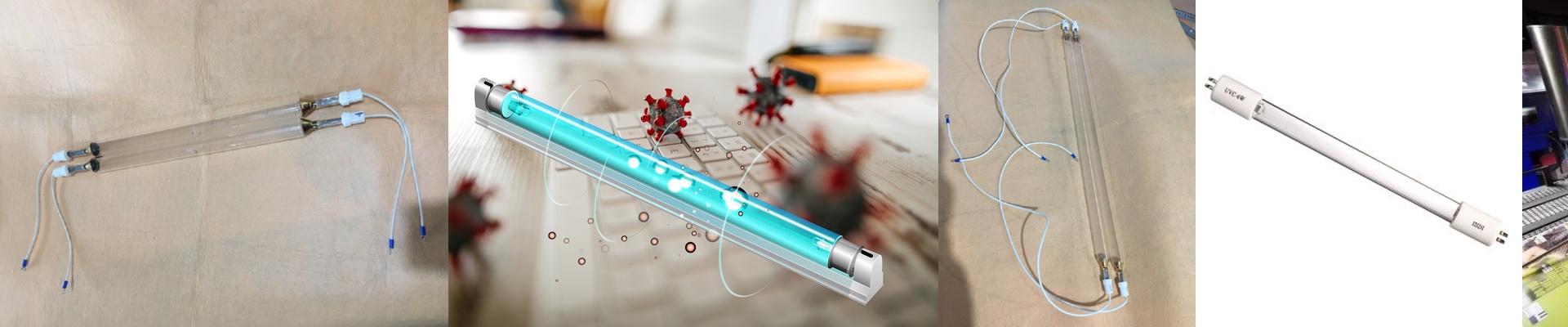
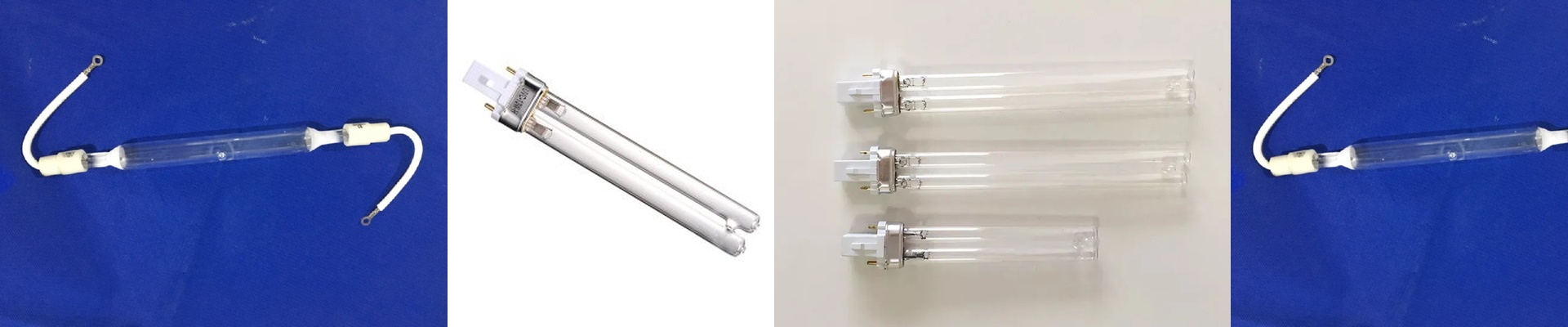
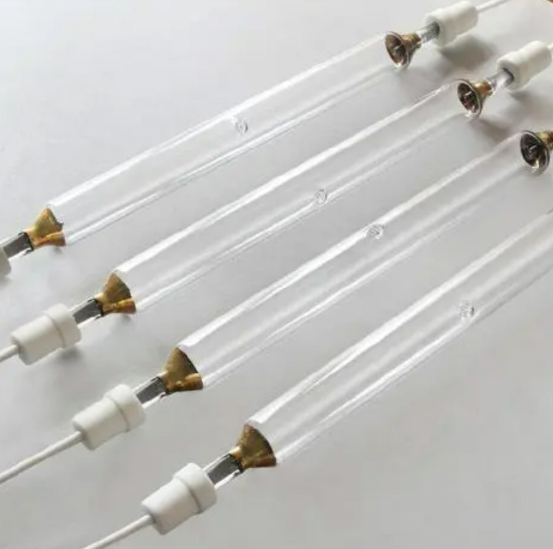
If you’re running a PCB line, you know the headache of track-width errors. One tiny slip in the exposure process and your fine-pitch circuits are ruined. That’s why we build our Gallium Iodide lamps. They aren’t just “lights”—they’re precision tools for when you absolutely cannot afford a mistake. The science part (made simple) Most people use standard mercury lamps, but those can be a bit too broad. Our lamps hit a much tighter window—specifically between 250nm and 350nm. Why does that matter? Because those shorter wavelengths cut through the photoresist layer like a knife. You get crisp, sharp edges every single time. No blurring, no bleed. Just clean lines. The heat factor Here is the thing: these lamps pack a massive punch of UV energy into a tiny space. That’s great for keeping your line speed high, but it generates a lot of heat. A lot. If your cooling fans are tired or your chilled water loops aren’t quite up to the task, you’re going to have problems. The lamp might burn out way too early, or worse, your PCB substrate could actually warp from the heat. Keep a close eye on that jacket temperature. Trust me, it saves you a lot of grief. Fitting them in and keeping them happy We designed these to be easy. They should slide right into your existing exposure units without a fight. We use special quartz envelopes so the UV light actually hits the board instead of getting absorbed by the glass. One quick tip on the wiring: make sure your ballast matches the lamp’s voltage and current exactly. If they’re mismatched, you’ll see flickering, and you’ll kill the arc life of the lamp. And please,keep the quartz sleeves clean. Even in a cleanroom, dust and chemicals find a way to settle. If that gunk bakes onto the glass, it blocks the UV light. You’ll be tempted to just crank up the power to compensate, but that’s a trap. It just cooks the tube and kills the lifespan. A quick, regular clean is all it takes to keep things running smooth.