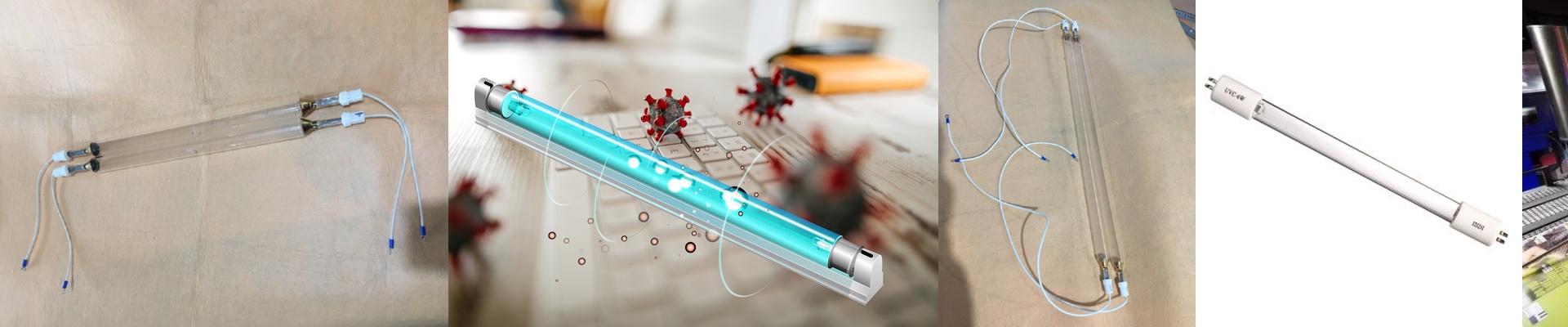

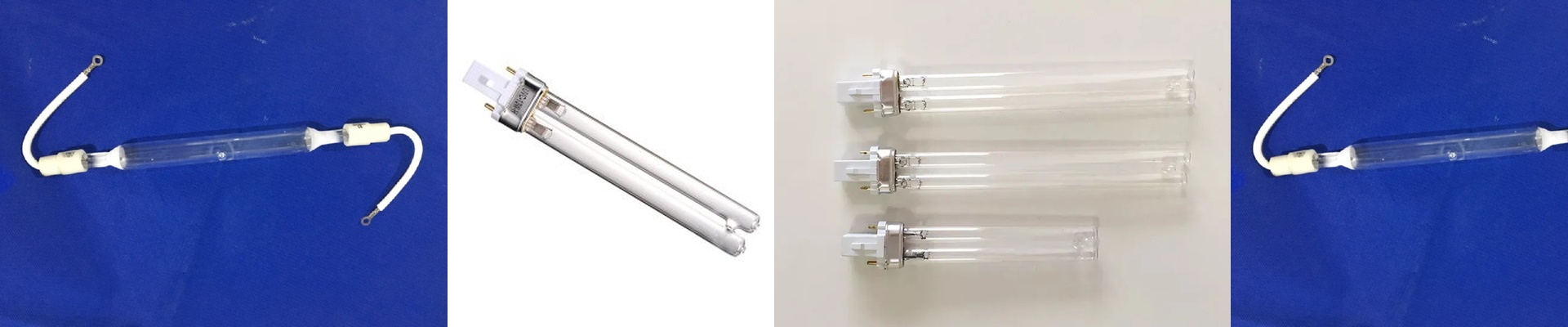
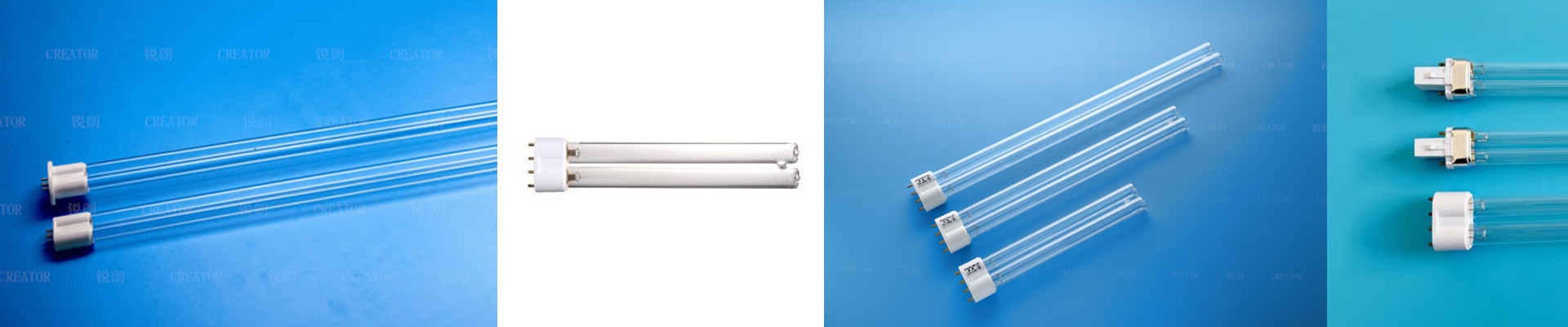

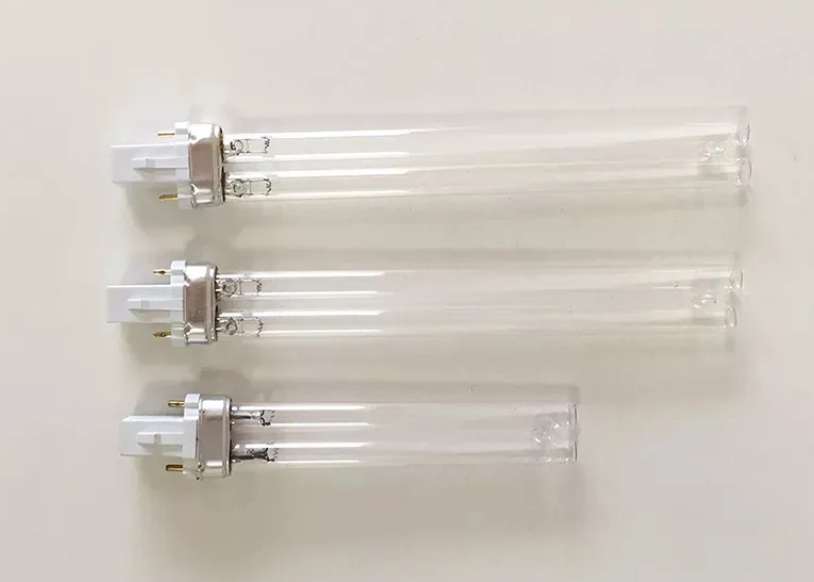
Export-focused printing lines run into a hard reality at the border: if the components aren’t compliant, shipments get held up and re-testing gets triggered. We build our full line of replacement mercury lamps for printers with CE marking and traceable conformity documentation, so every lamp ships as a declared, auditable unit. That means fewer holds, fewer compliance surcharges, and faster clearance for finished presses. What matters, technically We supply mercury vapor lamps with stable spectral output centered at 365nm, delivering the high peak irradiance required to kick photoinitiators into action fast—whether you’re running UV offset, flexo, or screen inks. Each lamp is rated for consistent energy density (mJ/cm²) across the cure window, and the dichroic-coated reflector set is matched to the lamp envelope to get maximum photons onto the substrate. Expect repeatable output after 2,000 hours, with end-of-life decay that’s controlled instead of crashing hard and forcing unplanned stops. Why it works in the real world On export equipment, compliance isn’t separate from performance—it’s part of keeping the line moving. CE-marked lamps cut down on re-certification at destination and keep customs paperwork in step with the machine’s declared build. In production, that stable 365nm output gives you consistent cross-linking on coated and uncoated stocks, so you hold print density and adhesion without having to throttle the press just to chase cure margins. The details that bite you if you ignore them Installation comes down to matching the lamp length, arc gap, base, and connector to the original fixture, then confirming ballast compatibility. If the ballast isn’t right, you get overcurrent and premature electrode erosion. Check reflector alignment and cooling airflow, too. If cooling is short, lamp life drops and the spectral output starts drifting. And if the layout is ozone-sensitive, specify ozone-free quartz envelopes and verify the exhaust ducting routing.