

Stop Treating Your UV Lamps Like Lightbulbs
Most shops look at UV lamps as just another consumable—something you swap out when it dies, like a fluorescent tube in a hallway. But here’s the thing: those lamps are actually the heartbeat of your entire operation. Whether you’re cranking through a high-speed offset press or running a textile line, the way those photons hit your ink is what decides if you’re hitting your deadlines or fighting a losing battle with your throughput.
Getting the Chemistry Right
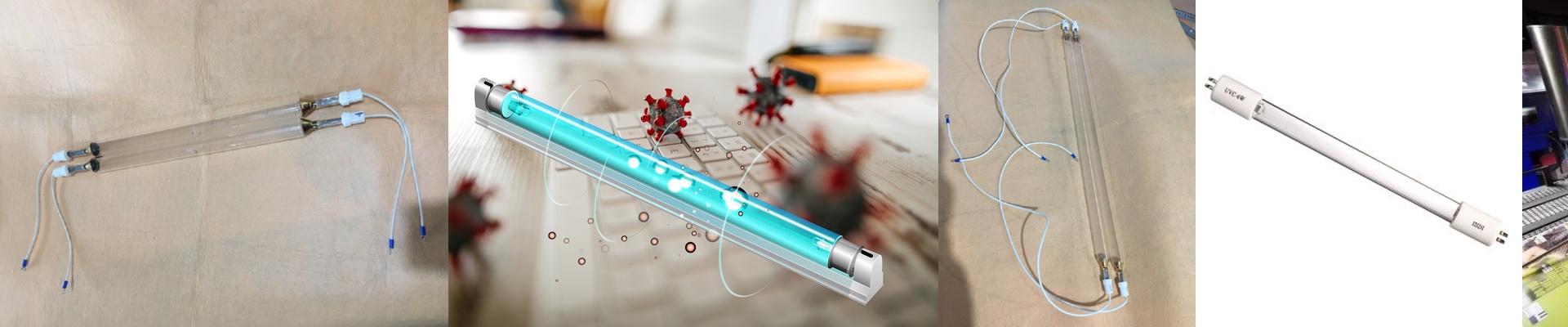
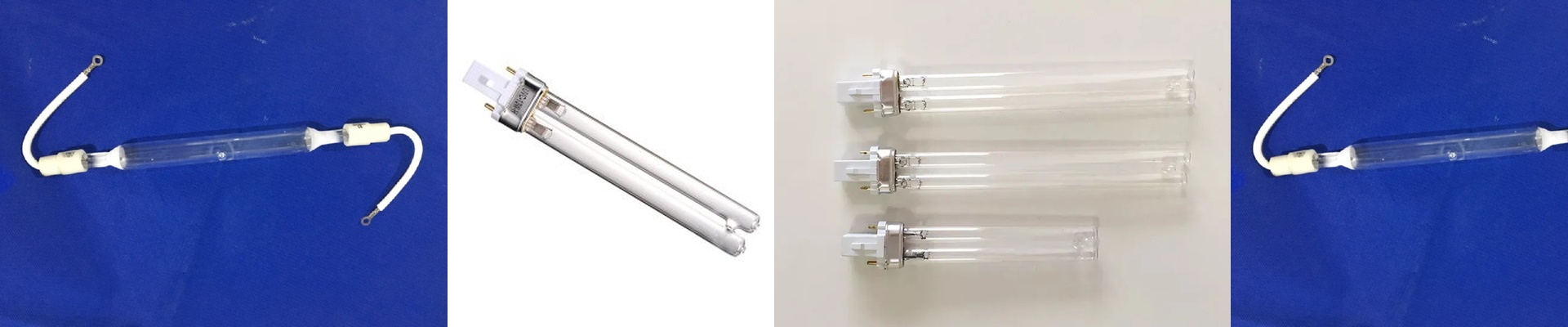
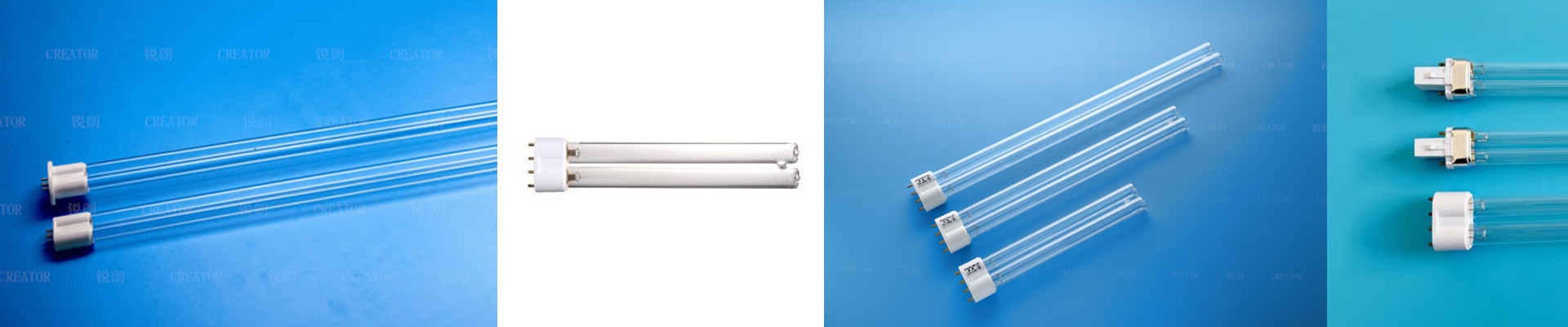
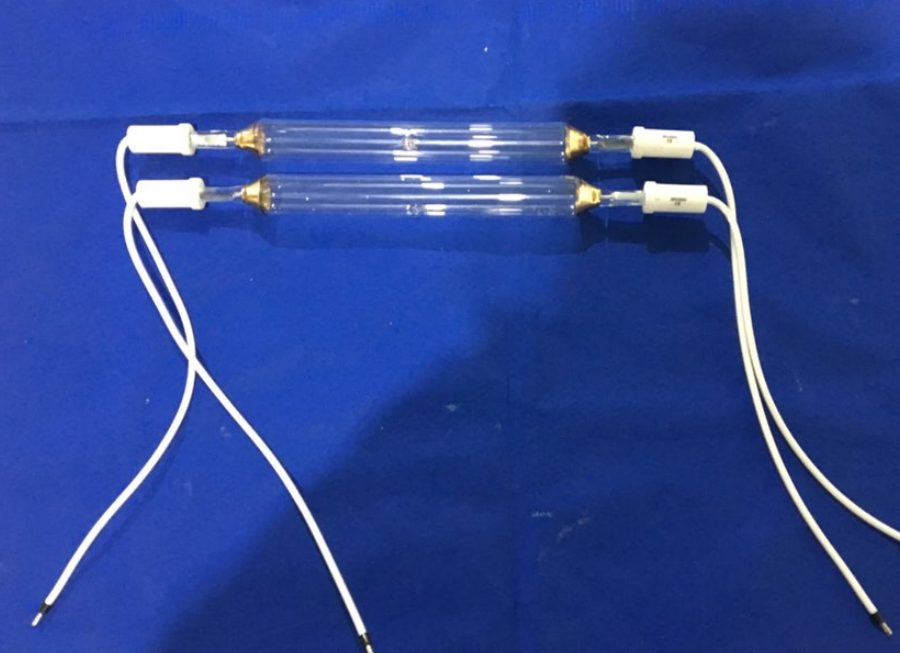
It all comes down to a conversation between the lamp and your ink. If the wavelengths don’t match the photoinitiators in your chemistry, you’re just wasting electricity. We don’t just ship you a bulb and wish you luck. We dig into the specifics. You might need UV-C for sterilization, or UV-A/B for curing. If the wattage is too low, you’ll find ink rubbing off on your fingers. But push it too hard? You’ll start warping your materials or dealing with “skinning”—that annoying situation where the top looks dry, but the bottom is still a gooey mess.
The Heat Struggle
High-intensity UV puts out a lot of heat. A lot. When you crank up the power to speed up your line, you’re adding a massive thermal load to whatever you’re printing on. It’s a balancing act. You have to weigh the lamp’s power against how fast your conveyor is moving. And don’t forget the airflow. If your cooling system can’t keep up with the ambient heat, you’ll burn through your lamps way faster than the manual says they should last.
Looking at the Big Picture
If you’ve got a quality issue that keeps coming back, a new lamp usually isn’t the answer. We prefer to step in as partners to look at the actual setup. We check the beam angle and the distance between the lamp and the substrate to make sure the light is hitting everything evenly. Most of the time, when curing is patchy, it’s not because the bulb is failing. It’s usually a reflection issue or something blocking the light. We’ll work with you to tweak the hardware until the process just… works.