

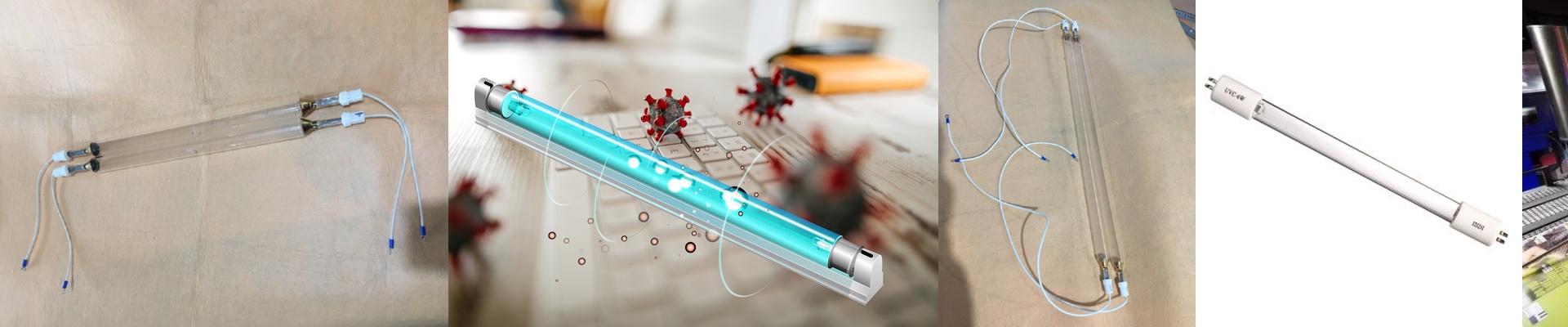
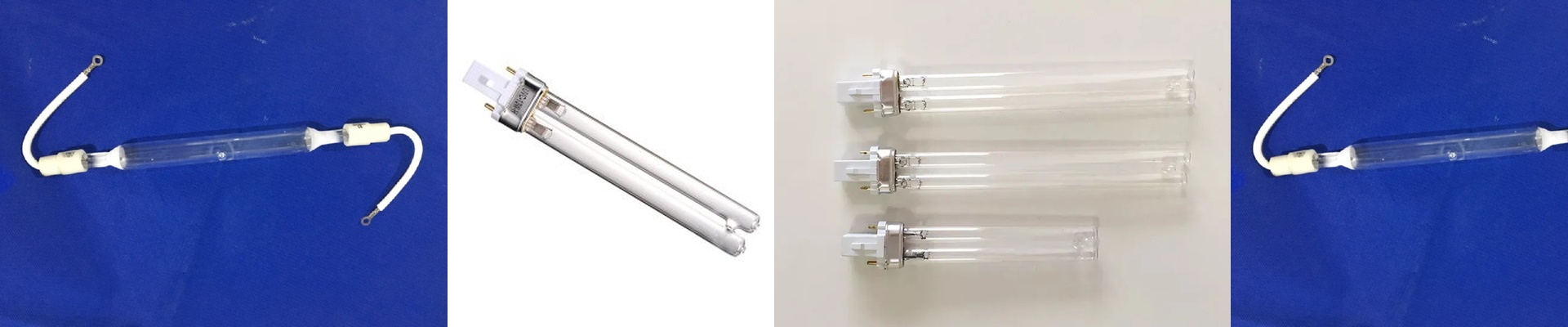
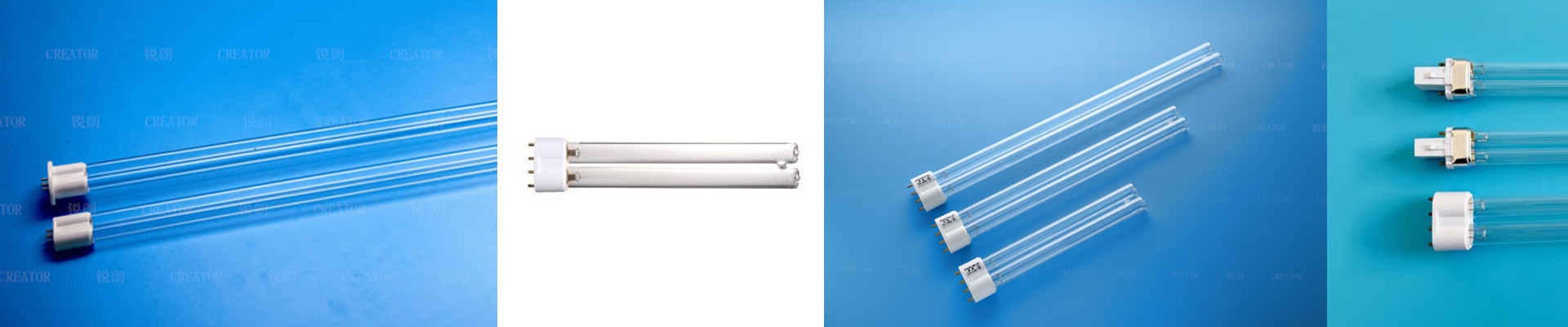
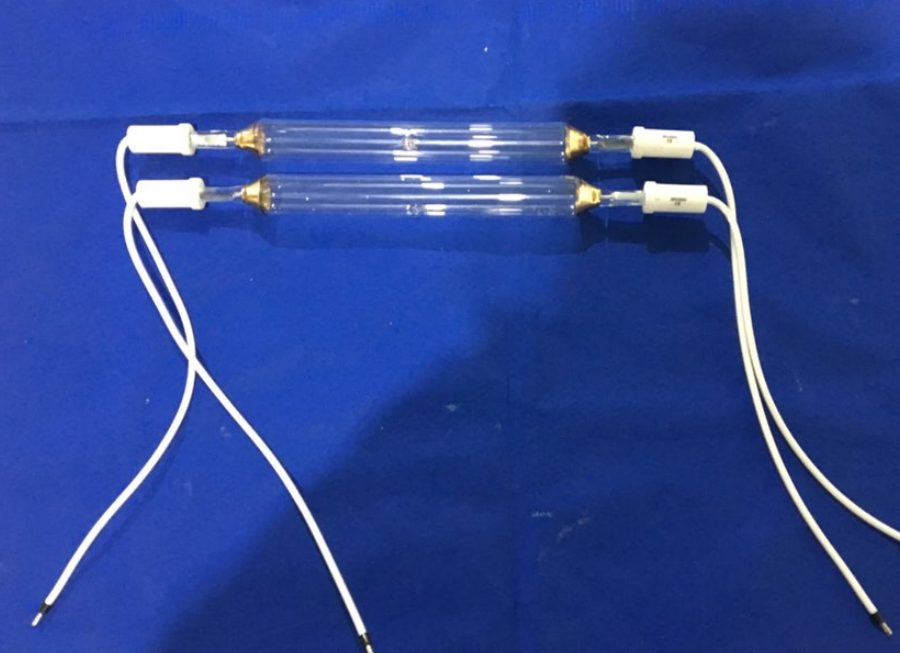
Out on the floor, a UVC lamp can look like it’s doing its job right up until the dose is off. “Sterilization” claims don’t mean much without solid irradiance data—microbial inactivation is exponential with respect to UVC dose. If lamp output drifts, the cycle misses, and that risk just rides quietly down the line. What actually matters is the UV output maintenance factor: how much 254 nm irradiance you still have over time compared to day one. High-pressure mercury UVC lamps lose output as the arc tube ages, electrodes erode, and quartz sleeves transmit less. A fixed timer isn’t going to fix that. You need continuous intensity monitoring—usually with a calibrated broadband UVC radiometer traceable to NIST—measuring in mW/cm² and integrating to mJ/cm². Match the sensor to the job: proper spectral response, low temperature coefficient, and a mounting setup that lines up with the reflector and airflow. Here’s why it works. Intensity monitoring turns a black-box process into a closed-loop spec. With real-time UVC irradiance, you set a minimum dose threshold, and the system either holds it or flags an out-of-tolerance condition. That makes validation cleaner, cuts scrap, and keeps you from talking yourself into false confidence when the lamp has been burning for hundreds of hours. A couple of things to keep in mind. UVC intensity readings are geometry-sensitive. Reflectors, lamp-to-target distance, and shadows from fixtures all shift the field. **Mount the sensor where the product sees the same flux, and keep the sensor window clean.**Oily films and condensation will skew results fast. Also, expect lamp output to drop before you see any obvious color change. Plan recalibration intervals and lamp replacement around measured dose, not some calendar schedule.