

The Real Cost of UV and IR Lamps: Why Doing Everything In-House Matters
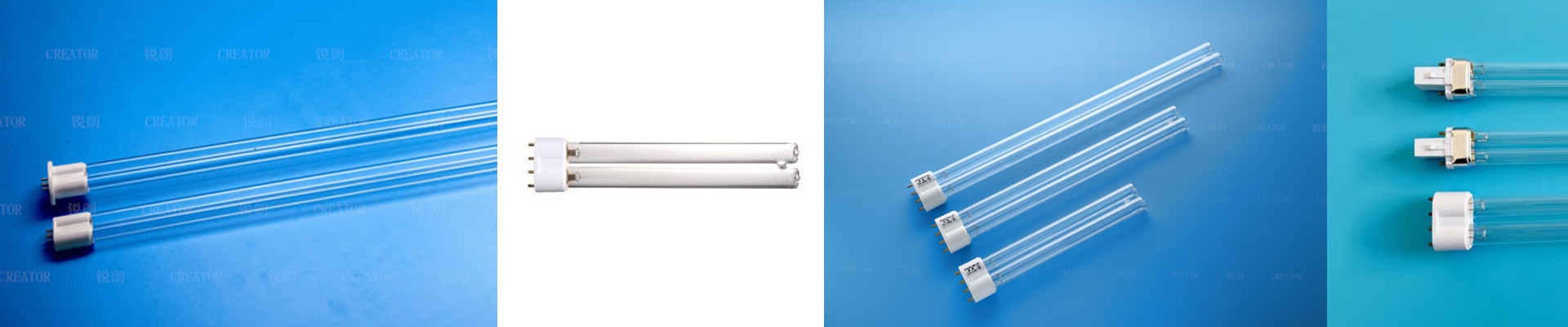
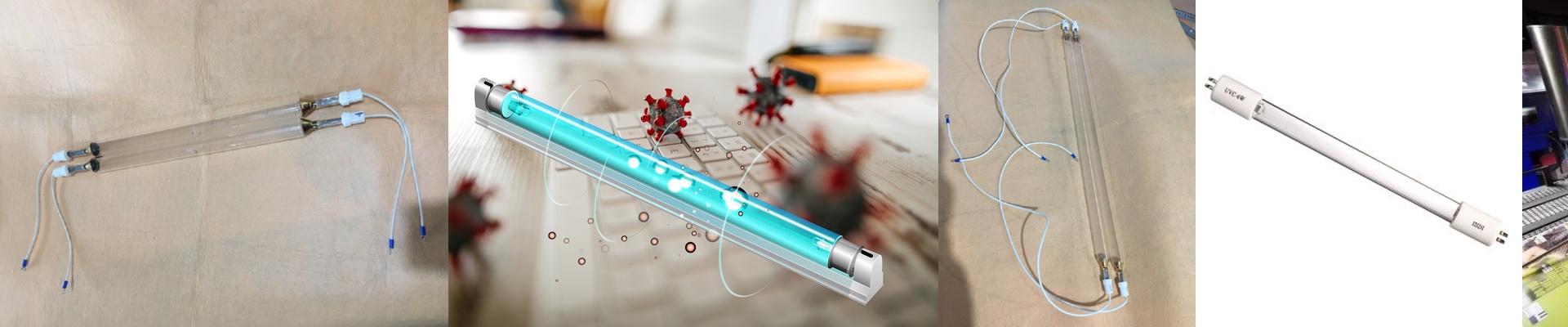
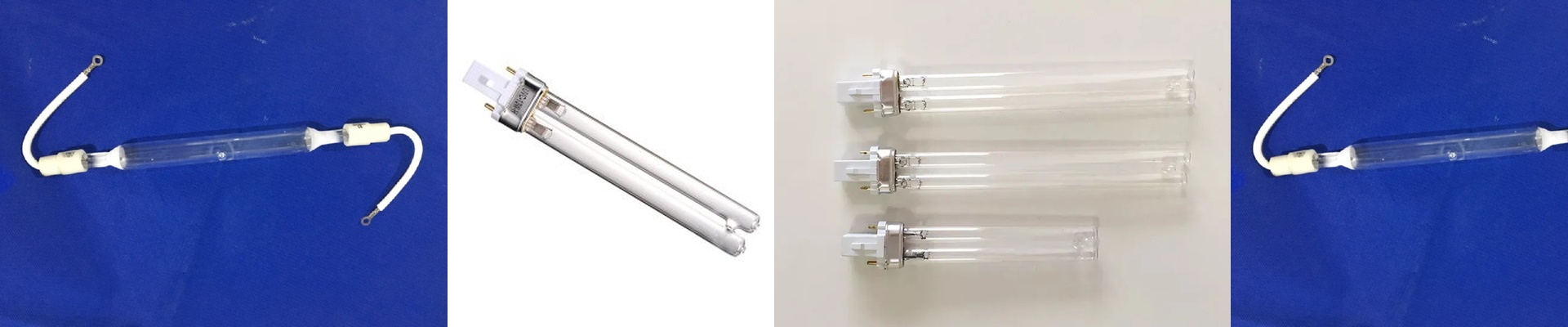
When you’re ordering UV or IR lamps in bulk, you aren’t just paying for a tube of glass and some gas. You’re paying for peace of mind. Here’s how we do things: we handle the whole process. From sourcing the raw quartz to sealing the electrodes, we do it all. No middlemen. No extra markups. That means you get a price that actually makes sense without having to settle for a lamp that doesn’t hit the right spectral output.
Getting the Power Right
Industrial lamps are finicky. If your wattage-to-length ratio is off, the lamp burns out way too fast. It’s that simple. Whether you’re using low-pressure mercury lamps for curing or short-wave IR for drying, the voltage has to be a perfect match for your ballast. If it’s off? You get flickering. Or worse, the filament just snaps. We build our tubes to such tight tolerances that you can just slide them into your existing rigs and they’ll work. No fuss.
Quality You Can Actually See
We use high-purity fused quartz. Why? Because cheap glass blocks the exact wavelengths you need to get your polymers to set. It’s a waste of money. For IR, we can tweak the coatings to shift the emission spectrum. But there’s a trade-off you should know about. A higher-wattage lamp speeds up your production, but it generates a lot more heat. If your cooling fans can’t keep up with that load, the tube will overheat and die. It’s all about balance.
Built for the Grind
These lamps live in tough environments. They run 24/7 in loud, hot factories. We spend a lot of time obsessing over the connection points—the pins and the bases. That’s usually where things go wrong. A loose fit at the socket creates arcs, and that’s a recipe for failure. By tightening those specs, we make sure the lamps can take a beating without losing power. You get a steady UV dose across the entire conveyor, which means your cure rates stay consistent from the first piece to the thousandth.