

Getting UV-C Right: The Real-World Engineering of Bulk Sterilization
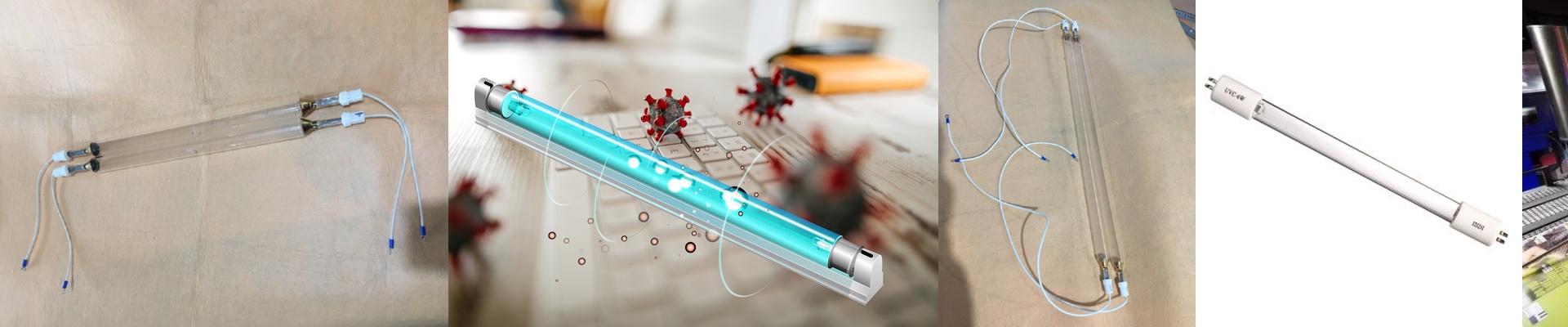
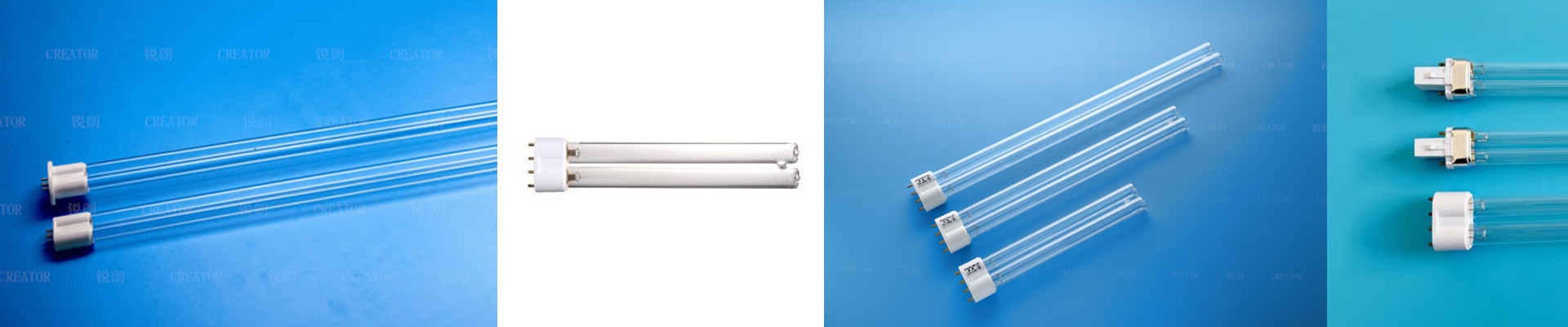
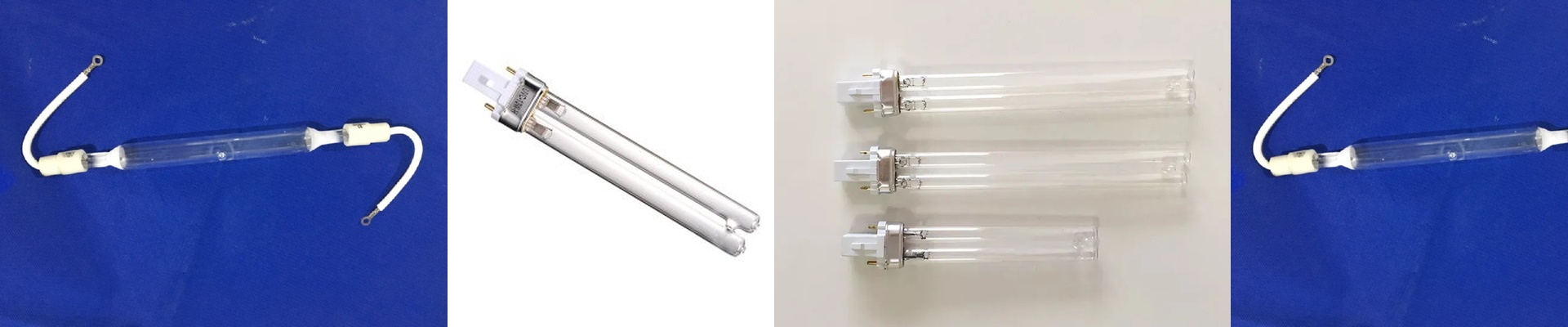
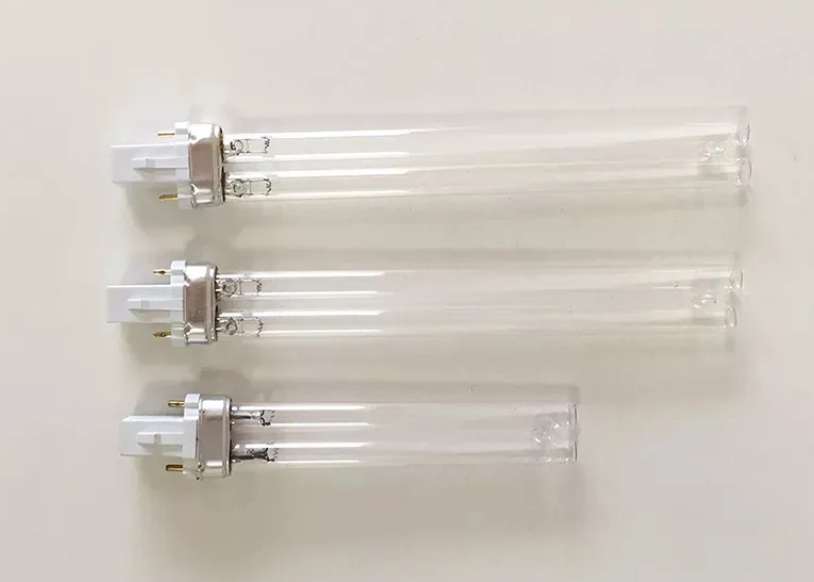
We build our UV bulbs to hit that 253.7nm sweet spot. Why? Because that’s exactly where you need to be to actually break down the DNA of germs and stop them in their tracks. For the 2026 printing exhibition, we decided to stop relying on basic, off-the-shelf tubes and start building custom modules that actually fit the way people work. The Heat Struggle Here’s the thing about industrial UV lines: it all comes down to wattage per millimeter. You want a steady, strong blast of light across the whole tube, no dead zones. But there’s a catch. High-wattage lamps gethot. Like, really hot. If your housing doesn’t have a solid cooling plan—think heat sinks or actual airflow—the bulb temperature spikes. And when that happens, your UV output actually drops. It’s a vicious cycle. If you don’t match your cooling to your wattage, you’re just paying to burn out your bulbs early. The Glass Matters You can’t just use any glass here. Regular glass blocks UV-C, so we use high-purity fused quartz. It lets the light pass through without fighting it. Since these are often used in printing shops, we also add specific coatings. It keeps the glass from getting ruined by chemical splashes. We also beefed up the end-caps. Printing floors vibrate, and a leaky seal is a nightmare you don’t want to deal with. Making it Fit Nobody wants to rewire their entire electrical rack just to swap a bulb. That’s why we made these “drop-in” replacements. We kept the pin configurations standard, so you can just plug them in and get back to work. Plus, we offer a bunch of different lengths to fit whatever conveyor width you’re running. The Trade-off Now, here is the honest truth about UV-C: it’s a balancing act. You can crank the voltage to the absolute max to kill germs faster, but you’ll eat through the phosphor much quicker. It’s a trade-off between raw power and lamp life. Instead of making you guess when a bulb is dying, we provide degradation curves. You can see exactly how much output you’re losing and set a replacement schedule that actually makes sense for your budget.