

Getting UV Curing Right in Your Textile Line
Most people think of UV curing as just a final coat of paint. But in reality? It’s the engine humming in the background from the moment you treat the fabric to the second the garment is finished. You aren’t just “drying” things here. You’re actually triggering a chemical reaction to lock in your dyes, coatings, or adhesives so they actually stay put.
Dialing in the Light
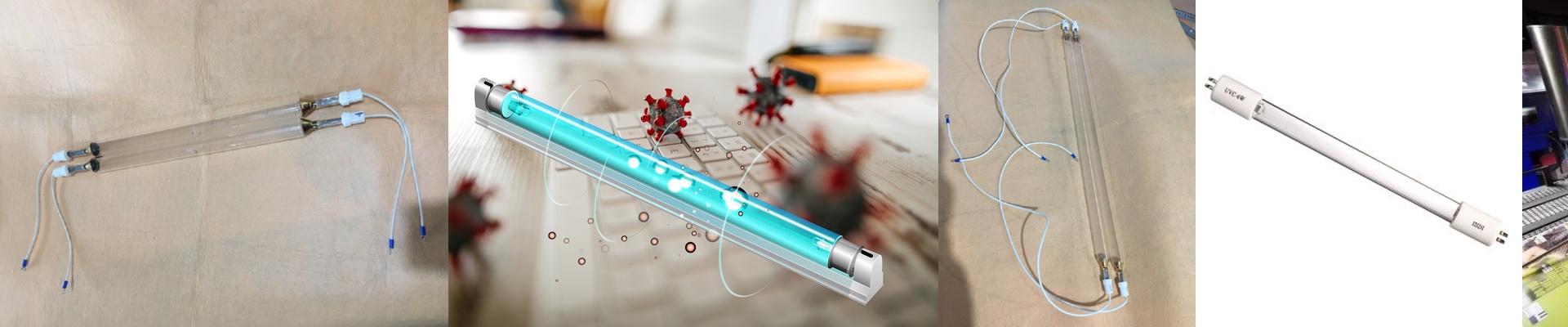
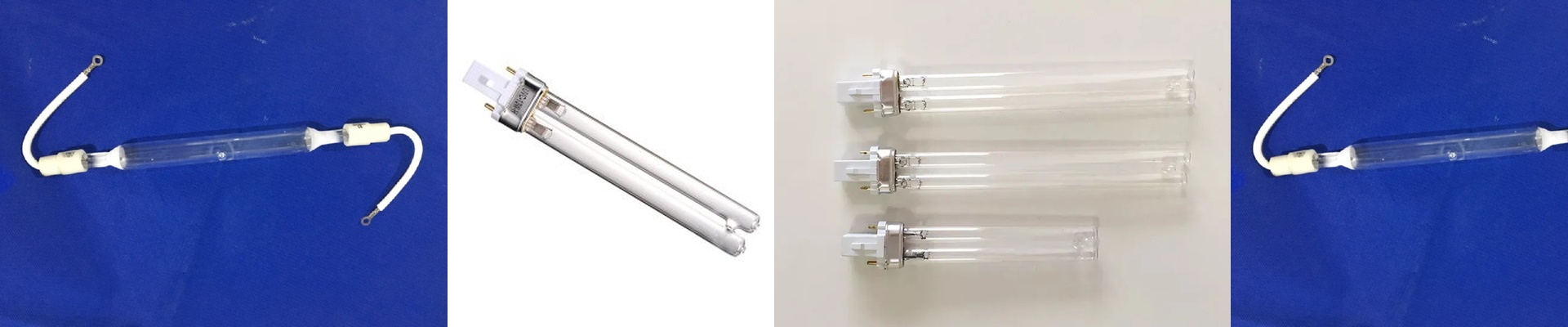
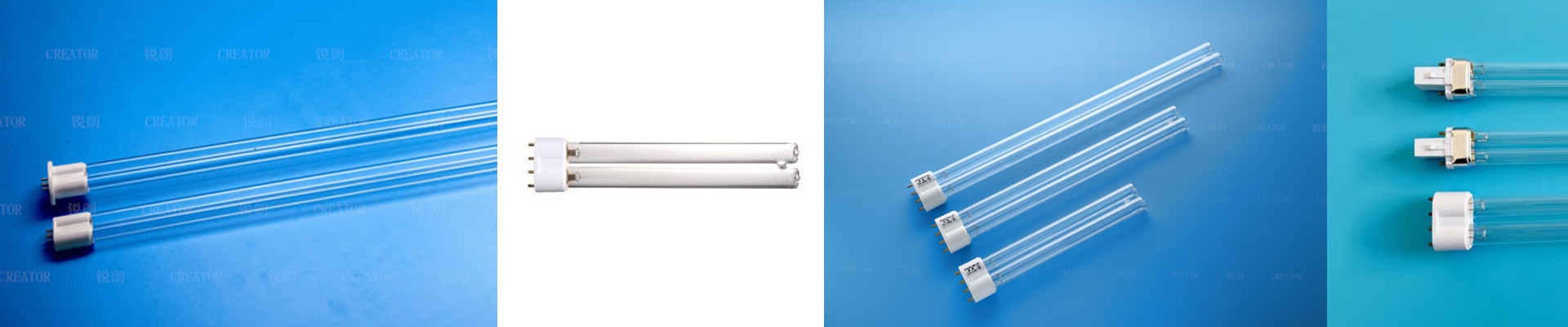
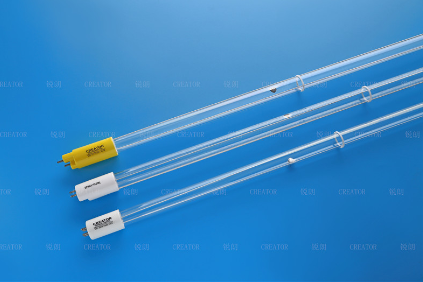
Here is the thing: you can’t just throw any lamp at the problem. We pick the lamps based on the photoinitiator in your specific ink. If you need a quick surface cure, UVC is your best bet. But if you’re working with thick, heavy fabrics, you’ll want UVA to get deeper into the material. It’s all about the wavelength. But be careful with the power. It’s tempting to crank up the wattage to speed up the line, but that’s a risky move. Too much heat and you’ll end up with scorched fabric or shrinkage. You have to find that sweet spot between how fast the conveyor moves and how much light is hitting the fabric. Otherwise, you’ll end up with those annoying tacky spots that fail inspection.
The Hardware Headache
We build these systems to fit right into your existing setup, whether you’re using rotary drums or tensor frames. We use quartz glass because it lets the most UV light through, but it’s fragile. Really fragile. That’s why we use rigid mounting brackets. If your machine vibrates at high speeds and those bulbs shake, they’ll snap. And let’s talk about cooling, because this is where most people mess up. High-intensity lamps get hot. Like, really hot. If your fans or water-jackets aren’t up to the task, the heat will actually damage the fibers before the UV even has a chance to cure the resin.
The Trade-offs
There’s always a catch. If you push the intensity to cut down your curing time, you’re killing your lamps faster. You’ll notice the output dropping over time. It happens. The best way to handle it is to keep a close eye on the hour-meter on your ballasts. Don’t wait for the fabric to come out streaky or uncured. Swap the lamps out before the defects hit the QC stage. It saves a lot of heartache—and a lot of wasted material.