

Getting Your UVC Output Right in Custom Modules
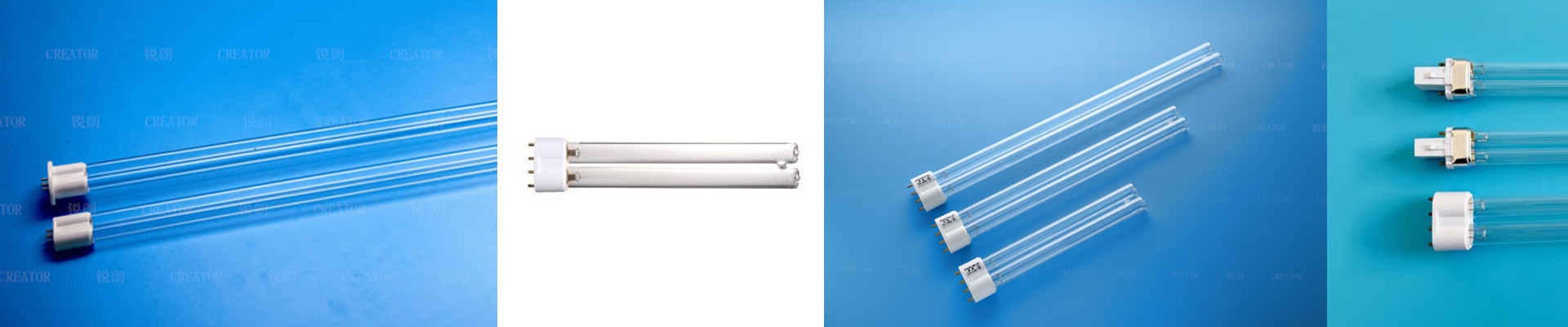
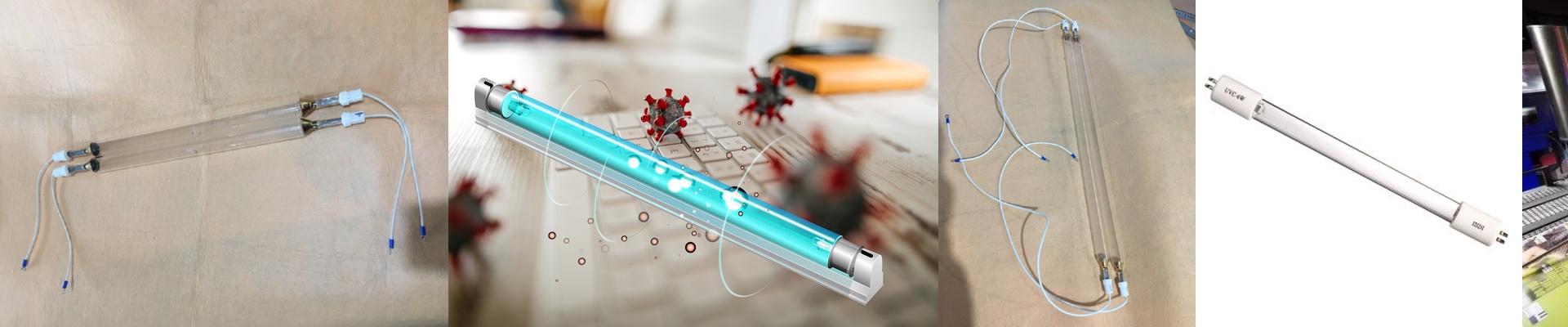
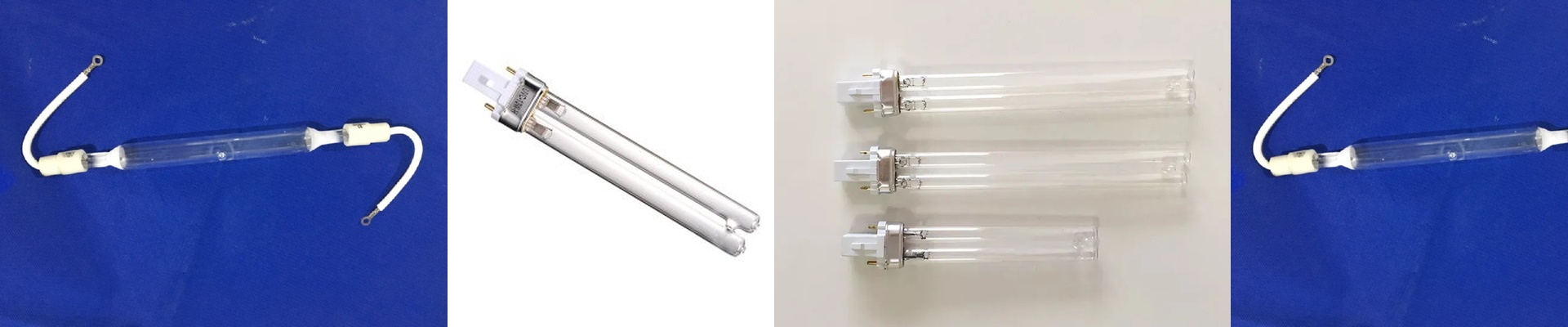
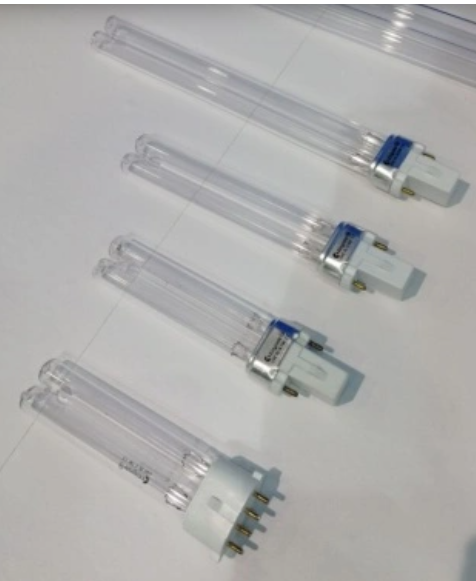
When you’re setting up germicidal UV modules for a big industrial line, you aren’t looking for “brightness.” That doesn’t matter here. What actually matters is hitting that sweet spot of 253.7nm. If you’re running high-volume printing or manufacturing, off-the-shelf bulbs usually won’t cut it. You need a custom array that actually does the job. The struggle with power and precision Here is the thing about standard bulbs: they tend to flake out in industrial settings. They just can’t keep the intensity steady across a wide area. We handle this by balancing the wattage against the heat. See, if you cram too much power into a small quartz tube, the lamp overheats. When that happens, the spectral peak drifts away from 253.7nm. Once that shift happens, your sterilization power tanks. We spend our time tweaking the voltage and current to keep the arc stable, which means the UVC output stays steady from one end of the tube to the other. The gear and the grit We use high-transmittance fused quartz. Why? Because we don’t want the glass itself soaking up the UVC photons before they can do their work. And let’s talk about the connectors. In my experience, this is where most systems fail. They just burn out. To stop that, we use reinforced pins and sockets that can handle the heat of 24/7 operation. We also make these as drop-in replacements. You can just wire them into your current ballast setup and get back to work without having to tear apart your entire chassis. Dealing with the heat High-output modules get hot. Really hot. If you’re squeezing these into a tight box, you can’t just hope for the best. Too much ambient heat kills the lamp life and ruins the phosphor coatings. It’s a pain, but you have to get your cooling fans or heat sinks right. If the air isn’t moving, your UVC intensity will drop off long before the bulb is actually “worn out.”